Could the L Train Have Express Service?

By Joseph Morales

The L Train is one of the busiest and most critical lines in the NYC Subway system. The route connects some of Brooklyn’s rapidly growing neighborhoods such as Williamsburg, Bushwick and East New York to each other and Manhattan. Additionally, key transfer points at Myrtle-Wyckoff Av and Broadway Junction provide riders with a plethora of connections to areas of Brooklyn, Queens and Long Island via other subway routes and the LIRR. In Brooklyn, only 45% of households have a car according to data from the New York City Department of City Planning. Hence, many people rely on the L Train and mass transit as a whole as their primary mode of transportation.

Read More »
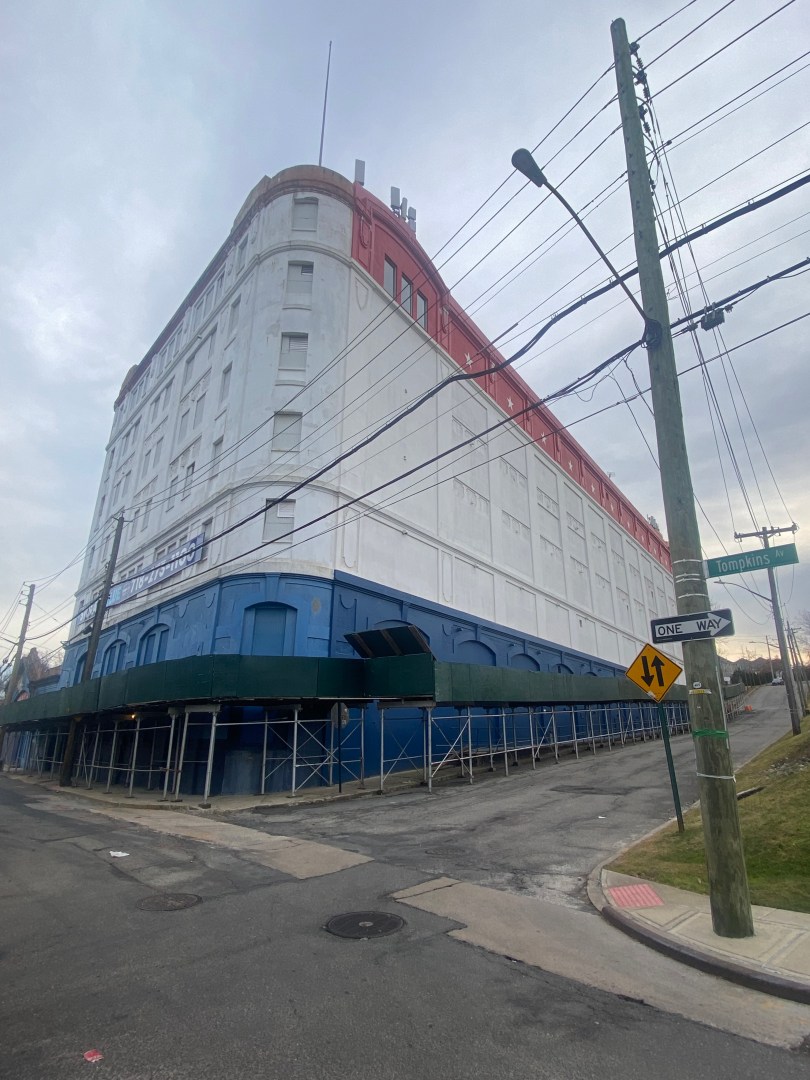
Could There Be A New Staten Island Railway Station in Rosebank?

By Joseph Morales

     Rosebank is a residential community on the East Shore of Staten Island. The neighborhood is directly adjacent to major thoroughfares such as Hylan Blvd and Bay St that connect residents to communities around Staten Island and even the region Additionally, Rosebank is just a 10 minute drive from the Staten Island Ferry and even closer to other busier neighborhoods such as Stapleton and Tompkinsville. The community is also adjacent to the Verrazano Bridge, providing seamless vehicular and transit connections to Brooklyn.

Read More »

Why The Upcoming MTA Capital Projects Hearing Is Important

By Joseph Morales

For more information or to sign up to speak the MTA’s hybrid Capital Projects Hearing on February 6th, click here: https://new.mta.info/transparency/public-hearings/2024-capital-projects-hearing

     In New York City, much of the population relies on mass transit run by the MTA(Metropolitan Transportation Authority)to get around. According to data from the NYC Department of City Planning, only 46% of city households own a car. Even vehicle owners often use mass transit to get to Manhattan due to traffic congestion and high parking costs. Additionally, hundreds of thousands of riders from outside of the city ride the Metro-North and LIRR commuter rails to get around the suburbs as well as into the city daily. Given how many people it moves, the MTA also plays a major part in New York’s economy. An NYU study from October 2020 found that a 40% reduction in bus/subway service and a 50% reduction in commuter rail service would cost riders more than $1.7 billion in lost time each year. This is only reflective of the impact of transit service reduction and does not reflect the impact of if mass transit were to not exist at all.

Read More »

The MTA Is Making Critical Improvements to Manhattan Subway Platforms

By Joseph Morales

     The Borough of Manhattan is by far the most transit-dependent place in the United States. Given its status as the cultural and commercial hub of New York City, mass transit is essential to ensuring that people in Manhattan can get around quickly and reliably. As subways are faster than buses, most New Yorkers ride the subway when traveling in Manhattan. According to data from the NYC Department of City Planning, only 23% of Manhattan households have access to a car. Hence, public transportation is essential to the mobility of most Manhattanites. Even those that do own a car often do not drive within the borough due to Manhattan’s sheer congestion coupled with lack of street parking. Outside of residents, many from around the NY Metropolitan area enter Manhattan for work, recreation and other purposes on any given day. With how many people enter Manhattan coupled with its notorious gridlock, mass transit is truly essential to alleviating congestion. 

Read More »

Could the 9 Train Come Back? What about Skip-Stop Service in General?

By Joseph Morales

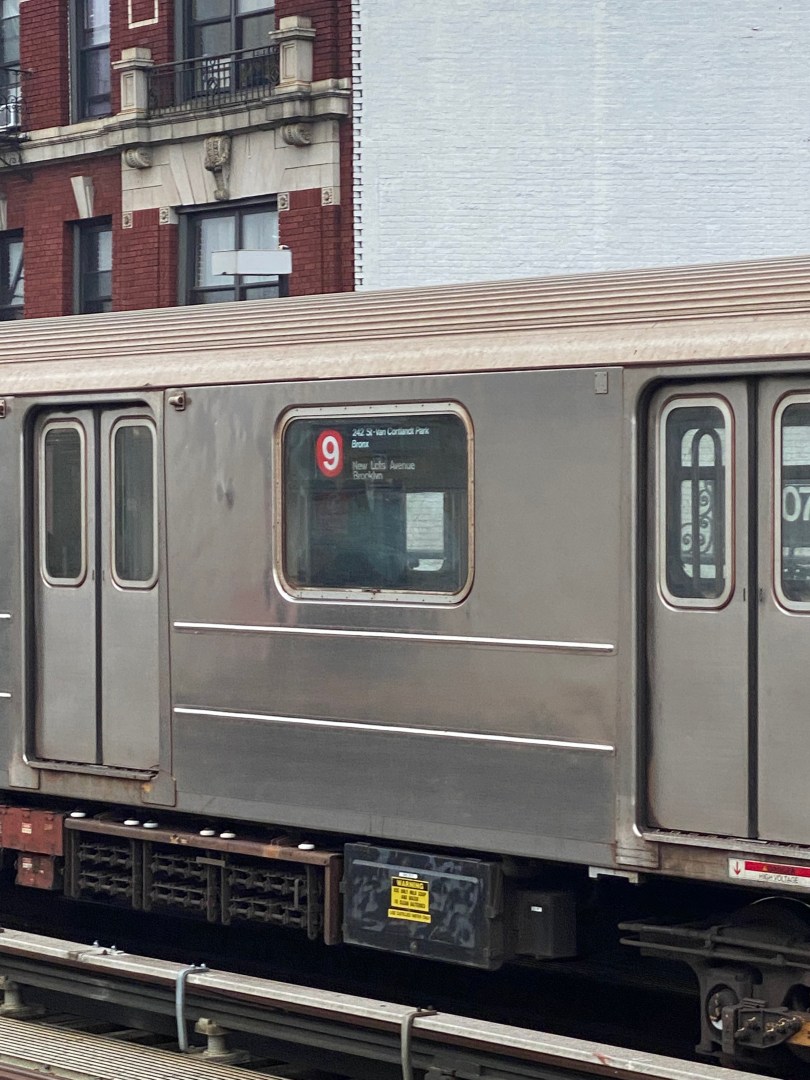
                   The 9 Train is a defunct New York City Subway line that used to be a skip-stop version of the 1 line that made select stops north of 137th St-City College, while the 1 train made other stops. Particularly busy stations such as 181st Street, were all-stop stations where both the 1 and 9 train stopped to provide adequately frequent service to a large number of riders. This is different than traditional express service, where only one or more train routes skips stops on a line while another route or routes makes all stops on a line(Ex: 4,5,6 Lexington Avenue Line, B,D,F, M Sixth Avenue Line). The purpose of this route configuration was to provide subway riders in the Northwest Bronx and Upper Manhattan with faster trips, as no matter what train they rode, it would not make all stops. In addition, the MTA wanted to decrease wait times at particularly busy stations that would be become all-stop stations. The service ran from 1989 to 2005 until it was ultimately discontinued due to less riders benefiting from the service as a result of the longer wait times it caused at many stations.

Read More »

Historic Washington Heights Subway Station is Now Fully Accessible

By Joseph Morales

Washington Heights near 181st St is arguably one of the busiest and most vibrant areas of Upper Manhattan. The area is home to variety of chain retailers, small businesses and restaurants along with a high residential density. The area also has ample access to mass transit, with 181st St having stations for both the 1 and A trains. Several Bronx bus routes also serve 181st St and provide access to destinations throughout The Bronx. As a result, many Bronxites from areas with little access to subway service use these buses to get to stations on 181st St. All forms of public transit on 181st St are also important to Washington Heights residents, as only 24% of households in the community district in which Washington Heights is located in own a car.

Read More »

The MTA Is Looking To Welcome New Businesses to Multiple Busy Subway Stations

By Joseph Morales

The NYC Subway is by far the busiest subway system in the United States. Despite ridership still being below pre-pandemic levels, 3.2 million people rode the rails in the city in 2022. That is about 500,000 more people than there are residents in the City of Chicago. 

                 The NYC Subway has so many riders in large part because of how transit-dependent the city is. According to data from the NYC Department of City Planning, only 46% of households in the city have cars. Even for households that do have cars, most people still rely on the system to get into Manhattan due to the time and money associated with congestion and parking in the core of the city. The number of subway riders going into Manhattan will likely only rise even more once congestion pricing is implemented, where motorists are expected to be tolled $15 to drive in Manhattan below 60th Street. 

Read More »

Queens’ Busiest Subway Station Receives Massive Renovation

By Joseph Morales

The Flushing Main-St(7) subway station is the busiest subway station in Queens and is one of the busiest stations in the entire city, with ridership ranking 11th out of all 472 subway stations in 2022. It is likely also the busiest station in the subway system that is served by a just a single line. This makes sense as the station is located directly in the heart of Downtown Flushing, one of Queens’ most vibrant residential and commercial destinations attracting visitors from across the city. In addition, given the lack of subway coverage in Northern and Eastern Queens, many Queens residents take the bus to the Flushing-Main St(7) in order to take the train to Western Queens and Manhattan. Inversely, many from Western Queens ride the subway here to transfer to buses that traverse Queens and/or enter Nassau County.

Read More »

Park Slope Subway Station Becomes Accessible After Years of Community Advocacy

By Joseph Morales

Park Slope is a densely populated neighborhood in Western Brooklyn that is one of if not the most well known neighborhoods in Brooklyn. Just a 15 min subway ride from Lower Manhattan, the neighborhood is famous for its brownstone residential buildings, which are considered part of quintessential Brooklyn and New York. Park Slope is also adjacent to the popular Prospect Park, which is one of New York City’s largest parks with a plethora of green space and sports fields. The neighborhood is well served by mass transit with the D, N, R, F and G trains stopping in the area along with several bus routes.

Read More »

The OMNY Card Is Finally Available At Select Subway Stations, A Major Step In The OMNY Rollout

By Joseph Morales

 The One Metro New York(OMNY) system is slowly but surely becoming the dominant way New Yorkers pay to ride buses and subways throughout the city. With the rollout of OMNY beginning on select bus routes and at certain subway stations in 2019, riders have been able to tap their smart device or card on an OMNY reader to board the bus or subway, rather than use a prepaid MetroCard. The goal for the MTA has been to develop a contactless fare option that is more flexible and convenient for its riders. In addition to the added convenience for riders, OMNY has provided the MTA with the ability to implement fare policies they were not previously able to such as fare capping. With fare capping, riders who spend $34 or take 12 rides in a single week can ride free for the remainder of that week. Before fare capping, the same riders either had to pay for an Unlimited or Pay-Per-Ride MetroCard which often would have left them in situations where they paid for rides they did not take or wound up paying more for their rides because they did not purchase the Unlimited MetroCard. The MTA had planned to retire the MetroCard in favor of OMNY by the end of this year, however that has been delayed to 2024 due to software issues.

Read More »