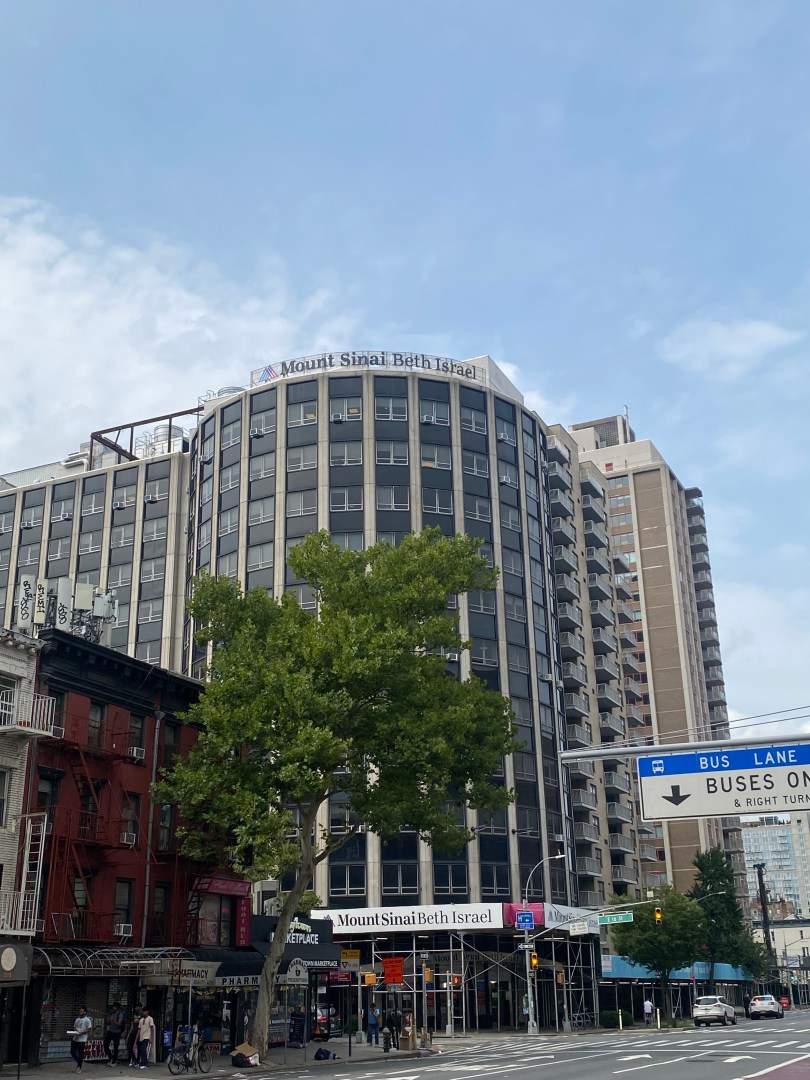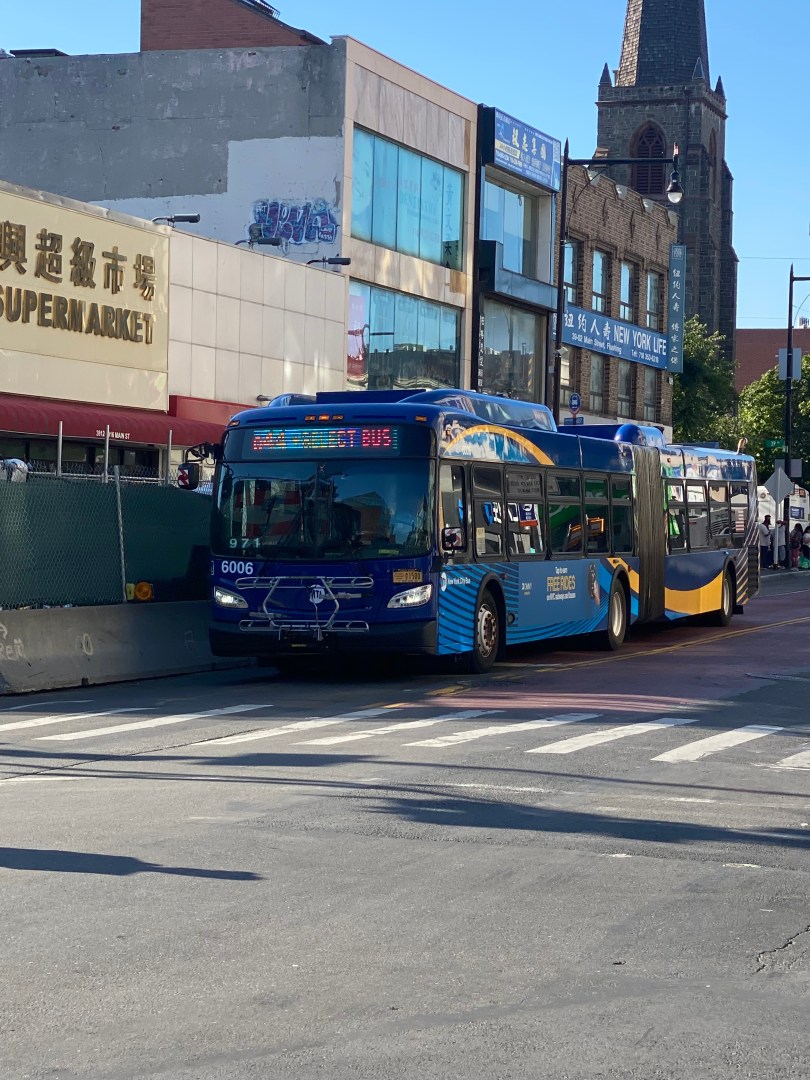
This series is meant to take a look at some of the most pressing issues in the NYC area and analyze how they impact people from a transportation point of view. Oftentimes, current events include situations where certain groups lack access to resources, such as quality education or healthcare. In other instances, they include policies and circumstances that affect people’s way of life. Regardless of the issue, transportation plays a substantial role in its impact as it determines how people can get to places to access any of their needs or wants. Here, we will break down this role in different issues and conceptualize solutions for issues that heavily factor in transportation. Join me for the ride as we explore the role of transportation in many of the issues we care about as New Yorkers.
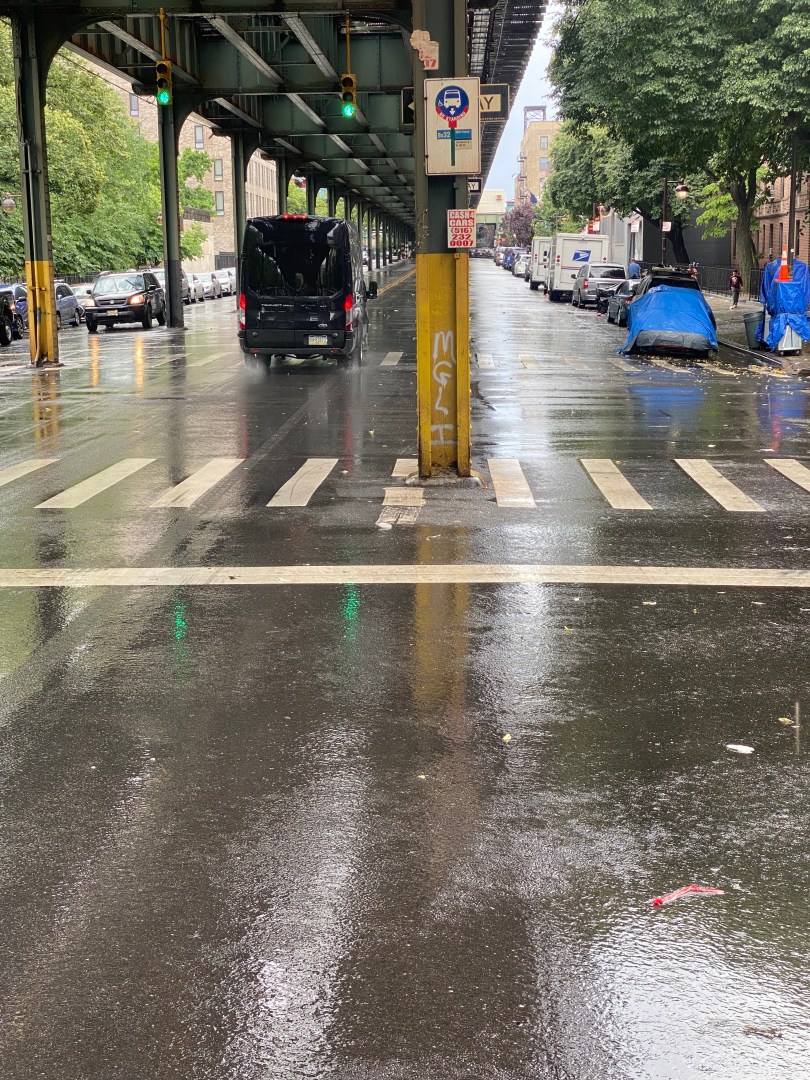
New York City has many bus routes that run beneath elevated subway lines in every borough except Staten Island. These bus routes often serve riders who do not use the trains due to disabilities, safety concerns or longer walks to train stations. They also sometimes serve places that the train doesn’t, often when the train diverges from the street the bus operates on.
Queens is New York City’s largest borough by land area and second largest by population. Like other parts of the city, many residents rely on public transportation to get around. According to data from the NYC Department of City Planning, 37% of Queens’ households do not have access to a vehicle. This does not reflect the thousands of teens who do not drive and also rely on mass transit to get to school and other activities.
There are about 915,000 students in NYC public schools. According to data from the State Education Department, about 45% of these students are in elementary school not including Pre-K and 3K students. Most of the time, students attend elementary school within walking distance of their home. Based on data from NYU, the average NYC kindergarten student lives only 10 minutes away from their school by foot or mass transit.
The Fulton Line(A,C) is a critical subway line that runs through the heart of Brooklyn. One of only two east-west lines in the borough, the Fulton Line runs across Fulton St in Brooklyn from Jay St-MetroTech to Euclid Ave before entering Queens and traveling to the Rockaways. In Brooklyn, the line connects several of the borough’s most densely populated neighborhoods, such as East New York, Bedford-Stuyvesant, and Downtown Brooklyn. The line also provides riders with access to various parts of Manhattan and Queens. In addition, riders can make connections to many other subway and bus routes. This includes some of Brooklyn’s busier bus routes, such as the B44-SBS(Bedford/Nostrand Ave), B46-SBS(Utica Ave), and the B60(Rockaway Ave).
Entrance to Nostrand Ave(A,C) station in Bed-Stuy, Brooklyn.Signage directing riders to trains at Nostrand Av(A,C) station.Read More »
Manhattan, the most transit-dependent borough in New York City, is a hub of activity. Its relentless gridlock makes the NYC Subway critical for the mobility of New Yorkers and tourists alike. According to data from the NYC Department of City Planning, 77% of Manhattanites and 54% of all NYC residents do not own a car, making the subway not just a more convenient option but a necessity for a significant portion of Manhattan and the city’s population.
The Concourse Line(B,D) is a vital subway line running along the Grand Concourse in The Bronx. The line links many of the borough’s most densely populated communities together, such as Fordham, Mt. Eden, and parts of the South Bronx. Major Bronx destinations along the line include Montefiore Medical Center, Fordham University and Yankee Stadium. In addition, it connects these neighborhoods to Manhattan and Brooklyn along with other lines in the NYC Subway system. According to data from the NYC Department of City Planning, only 25-36% of households in the community districts along the line have access to a vehicle. Hence, the subway line is one of the primary means of travel for many residents. Based on data from the MTA, the Concourse line had over 137,000 daily riders in 2022.
Six Flags Great Adventure is by far one of the most popular amusement parks in the Northeast. Located about 70 miles from NYC, the park is known for its jaw-dropping roller coasters and fantasy-themed rides. In 2021 according to AECOM, Six Flags Great Adventure attracted more than 2.9 million visitors, making it a premier family recreation destination. As COVID-19 concerns have eased since then, the number of visitors in 2022 and 2023 was likely higher.
Given Six Flags’ location, it is no surprise that many of the park’s visitors come from New York City as well as from all corners of New Jersey. After all, Six Flags describes the park’s location as being “…conveniently located off I-195 in Jackson, NJ between New York and Philadelphia” on its website. Additionally, Great Adventure is on almost every list of top amusement parks near NYC including on popular sites such as TimeOut NYC and SecretNYC.
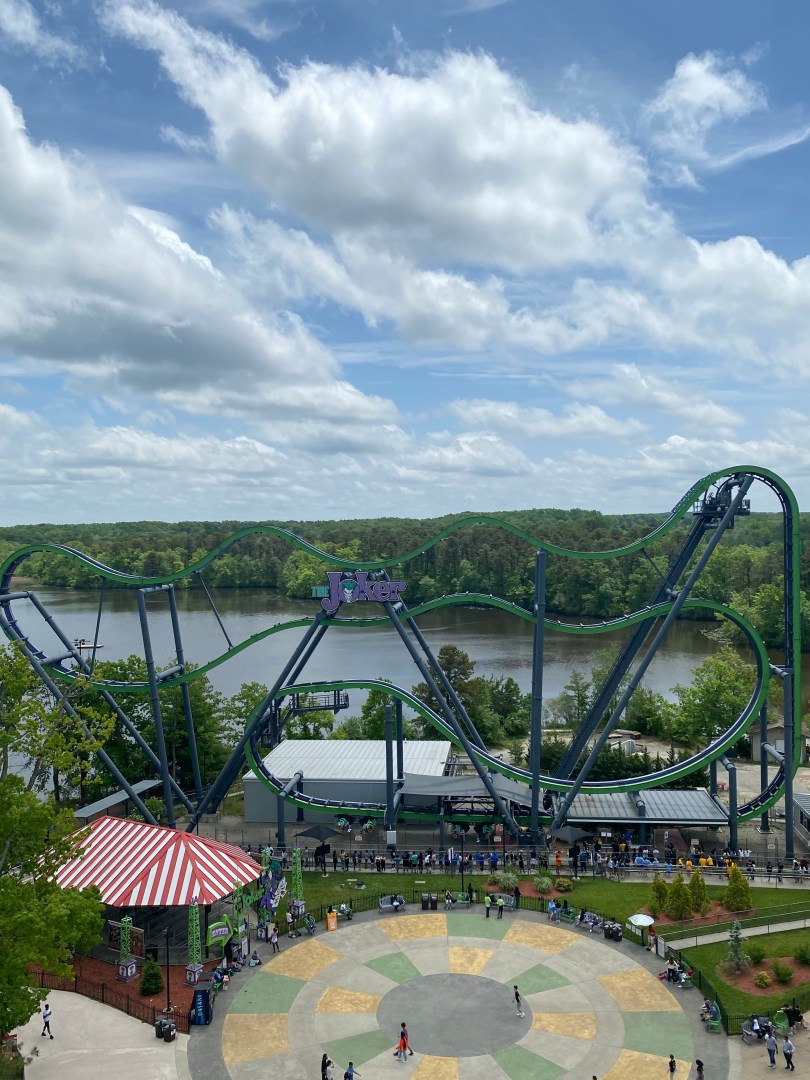
Six Flags Great Adventure’s famous “The Joker” rollercoaster as seen from gondola.
Unfortunately like many places in New Jersey, getting to the park from NYC or anywhere else is not exactly a “Great Adventure”, especially by public transportation. For many years, NJ Transit operated the 308 express bus from both Newark Penn Station and the Port Authority Bus Terminal(PABT) in Manhattan. The service even came with special theme park discounts as recently as last year where transit riders were able to save on tickets to either Great Adventure or Hurricane Harbor. To the likely dismay of riders, the service was discontinued this year with little explanation as to why from NJ Transit. While the agency is facing a nearly $1 billion deficit, the agency has not pursued any other major service cuts. The loss of Great Adventure service is almost certain to make it harder for guests to get to the park and make the most of what it has to offer.
As Great Adventure is located almost 2 hours from NYC in a lower-density suburban area, one may question the need for public transportation to the amusement park. However, it is important to note that 54% of NYC residents and 12.3% of NJ residents do not have a car. As Great Adventure is truly a regional destination, ensuring that everyone throughout the region can get there is critical to ensuring as many guests as possible have access to the park. Additionally, since Great Adventure and Hurricane Harbor are among the few theme parks of their kind near NYC, public transit can be the difference maker in which theme parks get customers. Outside of access, there is often congestion in Great Adventure’s parking lot due to the immense amount of cars traveling in and out of the facility. At closing time, congestion may worsen as many vehicles attempt to exit at the same time. This creates inconvenience for motorists and prevents them from making the most of their time since they often leave earlier to beat traffic.
To improve mass transit to Great Adventure, NJ Transit could take numerous steps. One and the most clear would be to reinstate the 308 express bus service. If the reasoning was due to budget constraints, than NJ Transit will need to make other moves to balance its budget and obtain funding. This is an issue that is much larger than Great Adventure bus service. However, if the route were to be reinstated, NJ Transit would likely want to run the route more later in the day and make its scheduling less confusing. According to a Reddit Post from 2023, the 308 bus did not run to Great Adventure after 9:30AM. This eliminated the bus as a travel option for those who plan to get to the park later in the day. Additionally, the scheduling of bus trips was quirky to say the least. While buses were scheduled to leave at certain times, they could depart sooner if they were full or later if they were empty. This left park-goers unsure as to when they could get to the park, making it hard to plan stays and coordinate meeting others at the park. Also, if a bus filled up, travelers may have been forced to make alternate travel plans, causing them to lose valuable time at the park.
To remedy these issues, NJ Transit can simply run service solely based on daily ridership the way it does its other bus routes. NJ Transit likely used demand-based/fixed scheduling in an effort to get as many riders to the park as early as possible. Though this does have its benefits, the risk of unreliable service for many may outweigh the benefit of some people being able to leave to Great Adventure sooner. Solely having fixed-scheduling on the other hand, would have buses scheduled at times NJ Transit knows ridership warrants it the most, making service more accessible for more people. In addition, fixed-scheduling may make transit service more sustainable as it could be easier for NJ Transit to recoup more of the route’s operating cost in fare revenue.
Outside of scheduling, NJ Transit can look to offer bus service from more locations. Buses from Newark and the PABT do serve a substantial amount of riders in the region. However, as commuting into either Newark or Midtown Manhattan can be tedious, these locations are not accessible to everyone. To help mitigate this issue, NJ Transit can add service from other travel hubs such as the Eltingville Transit Center on Staten Island and the Journal Square Transportation Center in Jersey City. This could make Great Adventure transit service accessible to more riders and reduce congestion at the park. Transit service can also make the park more desirable to visit by providing people an alternative to driving on the NJ Turnpike and I-195, which are among New Jersey’s busiest highways. NJ Transit can also consider bus service from the Hamilton Rail Station, which is the closest NJ Transit train station to Great Adventure.
Besides providing transit service itself, there are several additions NJ Transit and Six Flags can pursue to make public transit more compelling to park-goers. One could be the ability to purchase tickets at the bus terminal via machines or kiosks, saving riders time at the park. Additionally, Great Adventure buses can include luggage racks for those staying at the soon-to-open Six Flags Savannah Sunset Resort and Spa on the theme park campus. Above all, NJ Transit could work with Six Flags for buses to stop closer to the entrance of the theme park. Currently, all buses arriving at the Great Adventure must park at the southwest corner of the parking lot and get there via a circuitous route on the Six Flags’ inner roadways. Couple with a long walk to the gate; it can be 15 minutes or more between when one sees signs for Six Flags and when they reach the entrance of the park. These changes would help to substantially reduce the time between when people arrive and can actually enter the theme park.
As Great Adventure is a premier destination in the country’s most transit-dependent region, it is only fitting that it is well connected to the NYC area by public transportation. Hopefully, NJ Transit can find a transit solution that works for everyone and ensures that a trip to Six Flags Great Adventure can truly be a “Great Adventure” for those who rely on mass transit.
The Nostrand Avenue Line is a busy subway line in Brooklyn. The line runs from Franklin Ave-Medgar Avenue College and Flatbush Av-Brooklyn College and is served by the 2 and 5 lines. The Nostrand Avenue Line connects several densely populated neighborhoods in Central Brooklyn, such as Midwood, Flatbush, and Prospect Lefferts Gardens. Additionally, the line provides connections to both local and express service on the Eastern Pkwy Line(2,3,4,5), which provides access to even more destinations across Brooklyn and Manhattan. Overall, the line served over 35,000 riders per day in 2022 according to MTA statistics.
Public transportation is the backbone of New York City. Due to the city’s congestion and limited parking space, many take public transportation to avoid the hassles associated with driving. Given the city’s high cost of living, many find driving to be prohibitively expensive and hence also decide to opt for transit. As a result of these factors and others, 46% of New Yorkers do not own a car and hence rely on public transit to get wherever they need to go. This tally does not include suburbanites who take mass transit in New York City in lieu of driving for the same reasons as residents.