Can Central Avenue See Bus Rapid Transit?

By Joseph Morales

SOUTHERN WESTCHESTER’S BUSIEST THOROUGHFARE

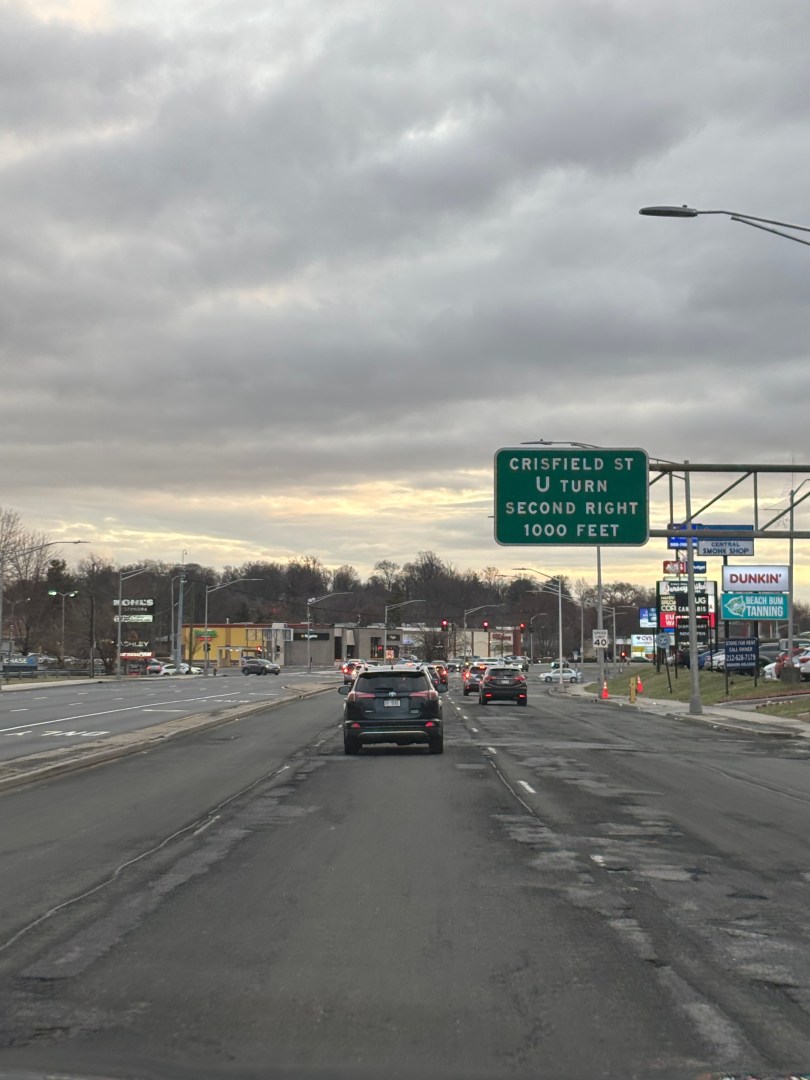
Central Park Avenue is one of the busiest streets in the New York Region outside of New York City. It starts at the Bronx-Westchester line in Yonkers before traversing Lower Westchester to the county seat of White Plains. The street is often referred to as Central Ave and the street is known for being a major shopping corridor with large retail plazas flanking both sides of the roadway. Central Ave also provides direct connections to Ridge Hill and the Cross County Shopping Center, which are among the largest outdoor shopping malls in the New York Metropolitan Area. Non-retail destinations include the Westchester County Center, Empire City Casino and the Nature Center at Greenburgh.

Read More »
Major Infrastructure Upgrades Coming to Multiple Bus Depots

By Joseph Morales

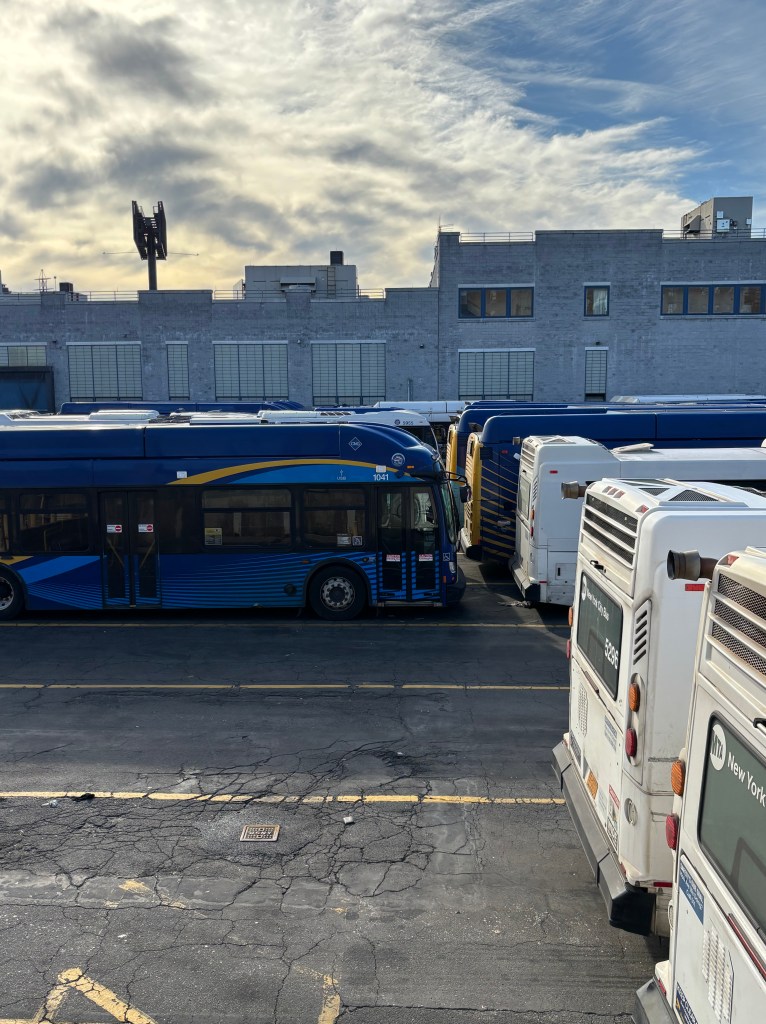
 Functioning bus depots are critical to the MTA being able to provide bus service to riders across New York City. At any of the MTA’s 38 depots/facilities, there are a plethora of infrastructure components that are essential for the safe storage and maintenance of the bus fleet. These include chassis wash stations, specialized maintenance bays and fuel storage locations. Even parking areas for buses are meticulously designed so that buses have clear and safe paths to enter and exit the depot. Due to the importance and complexity of bus depots, the MTA is dedicating $370 million to them in its 2025-29 Capital Plan.

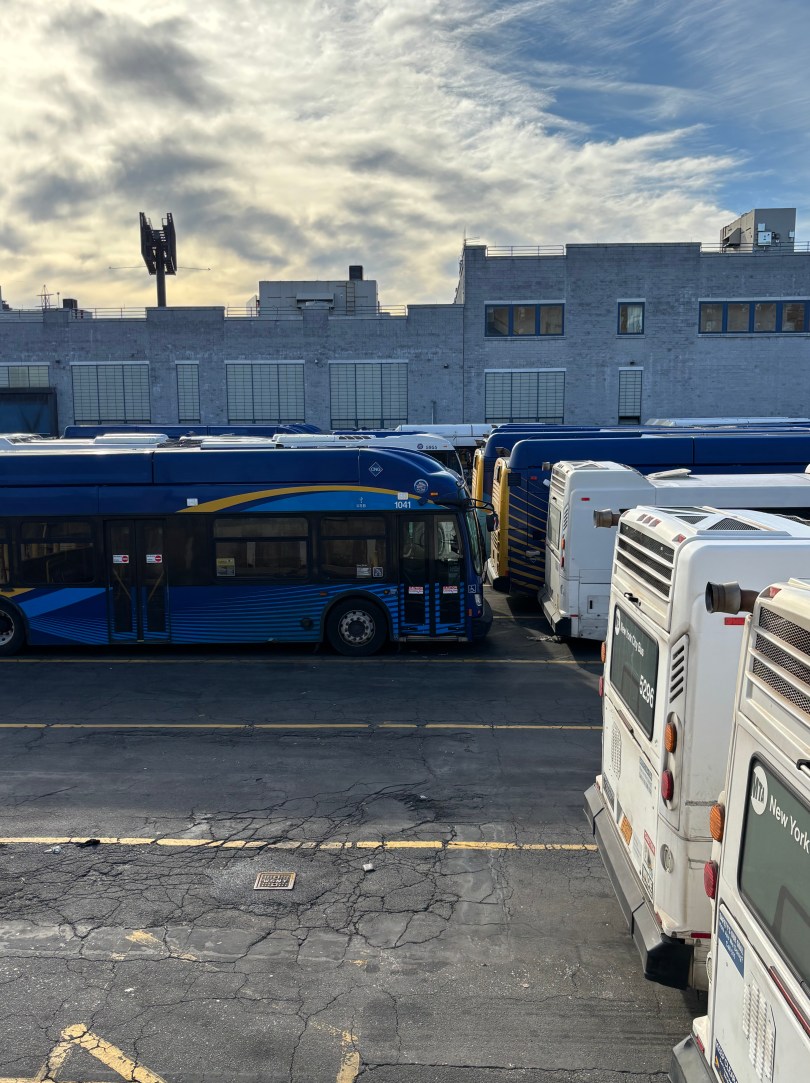
Buses parked at the West Farms Bus Depot in The Bronx.
Read More »

Extension Coming to Bronx SBS Route Following MetroCard Retirement

By Joseph Morales

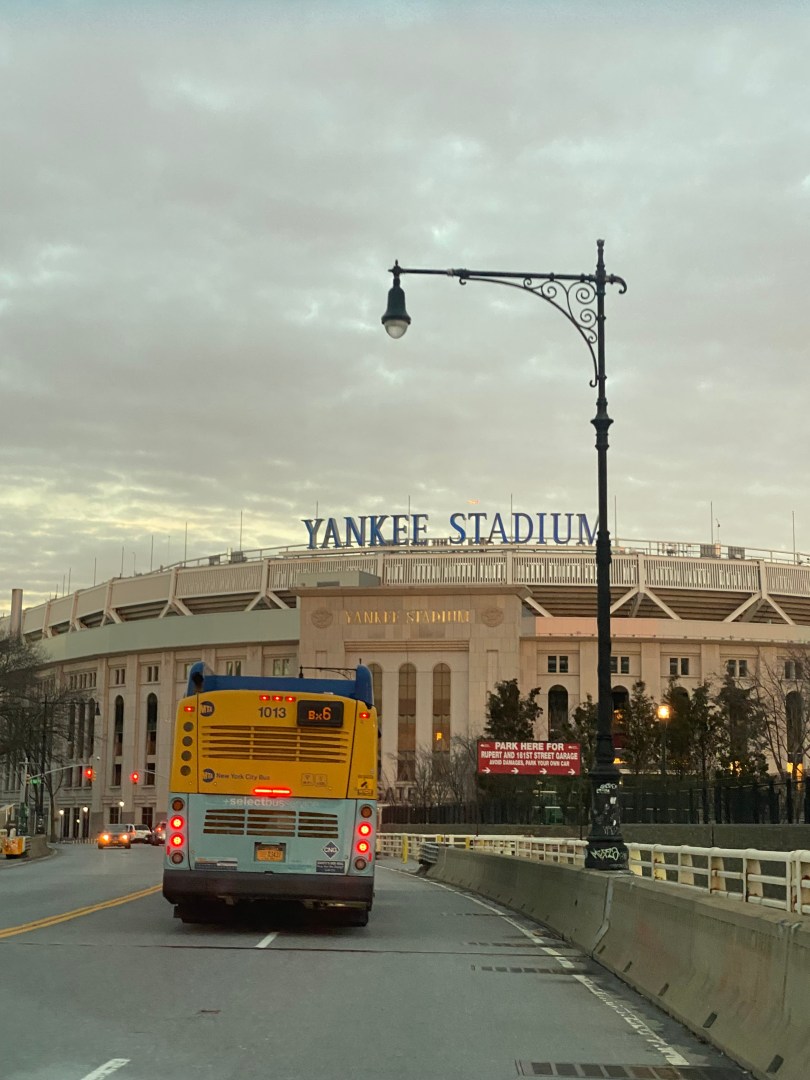
The Bx6-SBS/LCL is one of the most critical bus routes in The Bronx. This route traverses 163rd/161st Sts in The Bronx before connecting to 155th St in Harlem via the Macombs Dam Br. Commercial areas served by the route include Concourse Village and the area surrounding the Hunts Point Av(6) station. In addition, the Bx6-SBS serves major destinations such as Yankee Stadium, the Hunts Point Terminal Market and Bronx County Courthouses. This route also provides connections to nine subway routes, two Metro-North lines and a plethora of bus routes. Overall, the route served over 6,300 riders on an average day in 2024.

Read More »

Is College Point’s Transportation Infrastructure Ready for New Housing Development?

By Joseph Morales

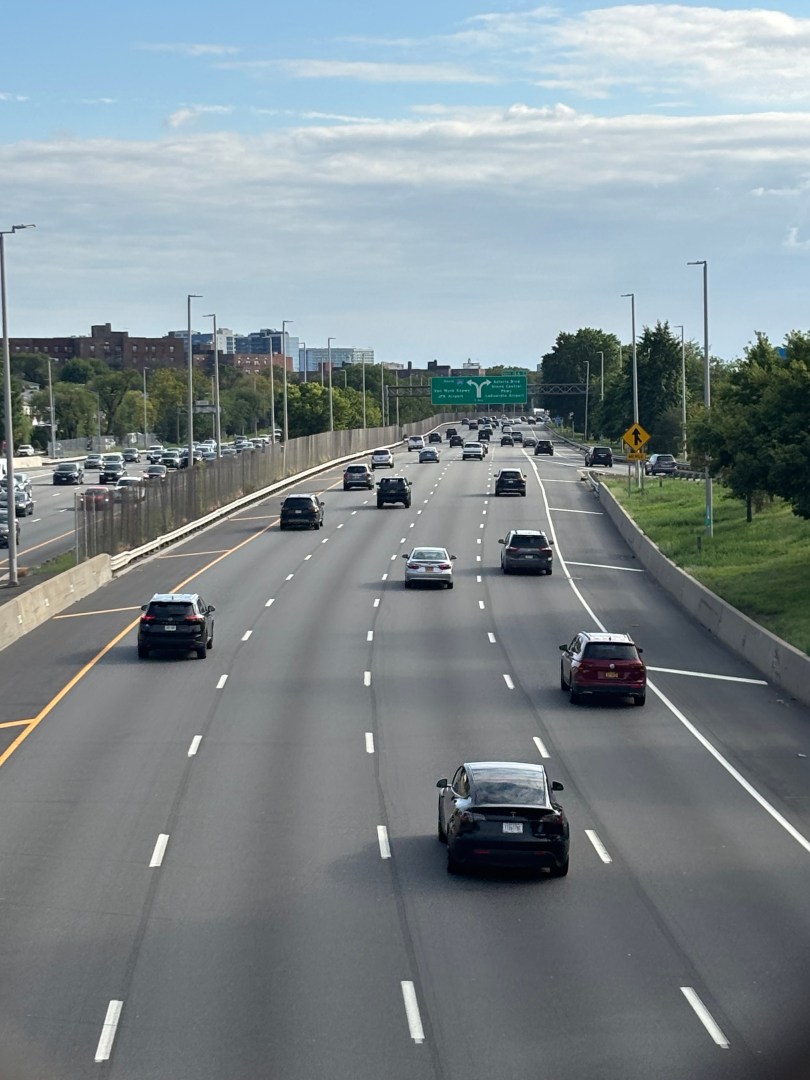
College Point is a residential neighborhood in Northern Queens located just west of the Whitestone Expwy(I-678). This area of the expressway is often known as the Van Wyck Expwy, which is also the official name for I-678 south of Northern Blvd. The community is known for its urban-suburban blend that offers larger homes and still includes access to a variety of amenities. Shopping strips on both College Point Blvd and 20th Ave offer residents the ability to run errands without leaving the neighborhood. 20th Ave includes popular grocery and big box stores including Target, ShopRite and BJ’s. On the other hand, College Point Blvd hosts more of the small businesses you would typically expect on a NYC commercial corridor.

Read More »

New Signal System Can Revolutionize Service on Several NYC Subway Lines

By Joseph Morales

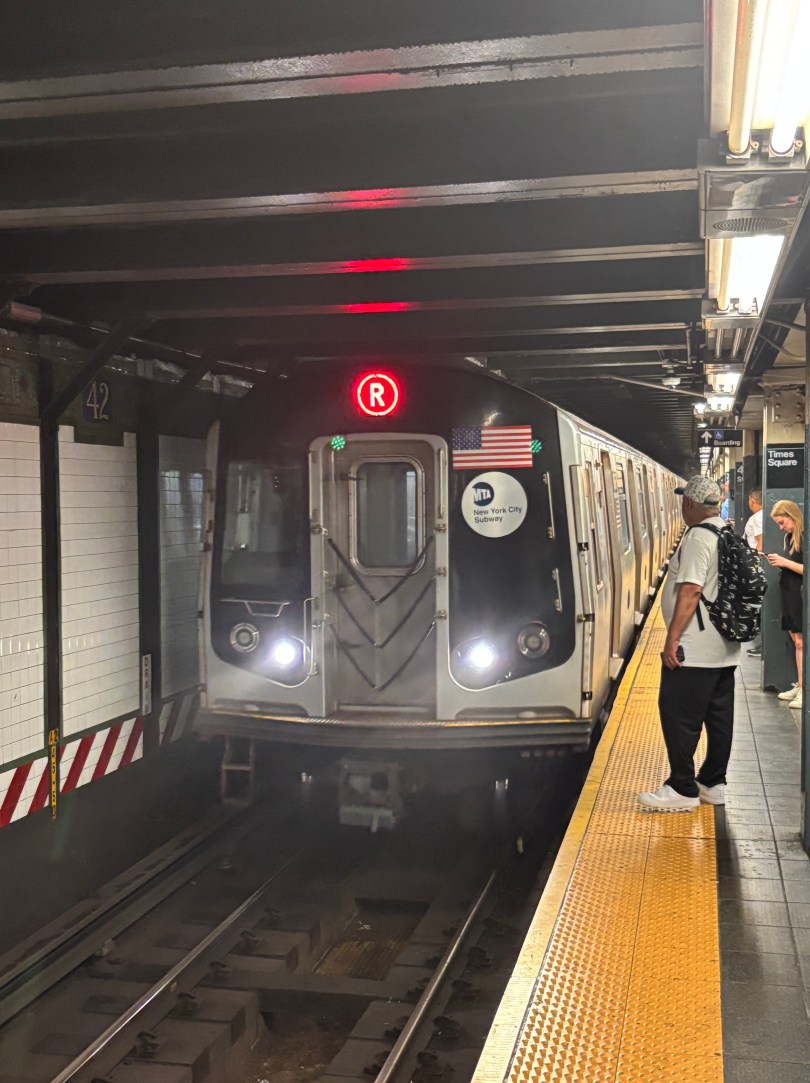
The NYC Subway System is one of the busiest and most sprawling metro systems in the entire world. Data from 2023 shows that the subway served about 3.6 million people daily across 472 subway stations. This is despite hybrid/remote work trends along with crime concerns leading to limited subway ridership over the past few years. For reference, the subway had an average daily ridership of 5.5 million in 2019. All of these numbers represent people going to work, school, or other destinations of importance. The system’s reach has also enabled the car-free lifestyles that millions of New Yorkers are accustomed to. For generations, rapid transit has been a catalyst for growth, opportunity and prosperity in America’s largest city.

Read More »

New Bus Lanes Are Coming to Busy Midtown Corridor

By Joseph Morales

Madison Avenue is one of New York City’s busiest and most famous streets. The roadway goes from 23rd St in Midtown to 135th St in Harlem. At its northern terminus, it connects with the Madison Avenue Bridge to The Bronx. The street is home to a plethora of businesses, residences and other major destinations. Points of interest along the corridor include One Vanderbilt, St. Patrick’s Cathedral and the Mt. Sinai Hospital. There are also a countless number of cultural institutions and other important places on the surrounding blocks. While Madison Ave has no subway lines, it is served by four local bus routes that traverse most of the corridor. Interborough and regional transit options include trains at Grand Central Terminal and express buses that connect Madison Avenue to each of the four outer boroughs.

Read More »

Westchester County’s $15M Complete Streets Initiative Explained

By Joseph Morales

         Westchester County is one of the most populated counties in New York’s suburbs. The county is home to almost 1 million residents and features a range of communities. This includes charming villages like Tuckahoe and Ardsley and more bustling urban centers like Yonkers and Mount Vernon. The county also features a plethora of major shopping and recreation hubs. These include New Roc City, Ridge Hill and Downtown White Plains. 

Read More »

Critical Signal Upgrades Coming to Metro-North

By Joseph Morales

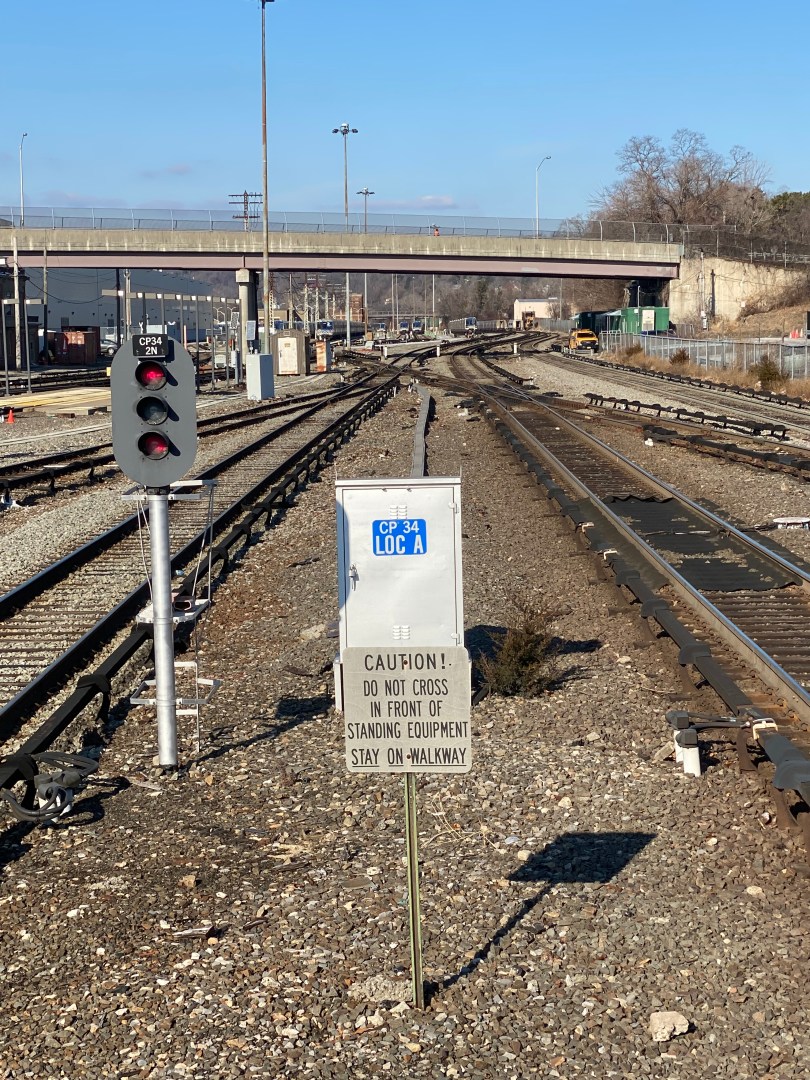
The Metro-North Railroad is a commuter rail network with three main lines connecting New York’s northern suburbs with The Bronx and Manhattan. Countless suburban downtowns across the Mid-Hudson Region and Connecticut have been built around Metro-North stations. The network’s hub at Grand Central Terminal gives riders access to Manhattan’s Central Business District. It is here where riders can also transfer to the NYC Subway and the Long Island Rail Road in order to make trips across NYC and the NY Metro region. Overall, the Metro-North has served an average of roughly 230,000 riders daily according to data from October 2024.

Read More »

Multiple New Programs Will Make E-Bike Use Safer and Easier in NYC

By Joseph Morales

  Electric bicycles and scooters have rapidly become popular mobility devices in New York City since becoming legal in 2020. A report from FOX 5 New York says that 65,000 e-bikes were being used in NYC in 2023. E-scooters have been similarly popular. A pilot e-scooter share program had 150,000 users in the East Bronx alone between August 2021 and August 2023. Many use these mobility devices as a convenient means to get around without the hassles associated with driving or mass transit. In addition, a large number of delivery workers use e-bikes due to their lower costs and ability to operate at speeds of 20-25 mph. Others use the bikes for pure recreation, especially in New York’s plethora of vast green spaces. 

Read More »

CitiBike Expansion Set To Change Micromobility in Eastern Brooklyn

By Joseph Morales

First started in 2013, CitiBike has grown immensely popular throughout New York City since its inception. The bikeshare program, owned by Lyft, serves over 1,000 cyclists daily with 25,000 bikes from over 1,500 stations across four boroughs and parts of New Jersey. CitiBike has been substantially used everywhere it has been implemented with many using it to go to work, run errands or just have fun. Lyft even has an “Explore NYC” page on its website where it has the names of some popular spots to ride and includes the phrase “See the sights. All of ‘em.” This indicates just how much CitiBike can truly be used for recreation. 

Read More »