New York State Has Historic Plan To Increase Pool Access in NYC. How Will People Get There?

By Joseph Morales

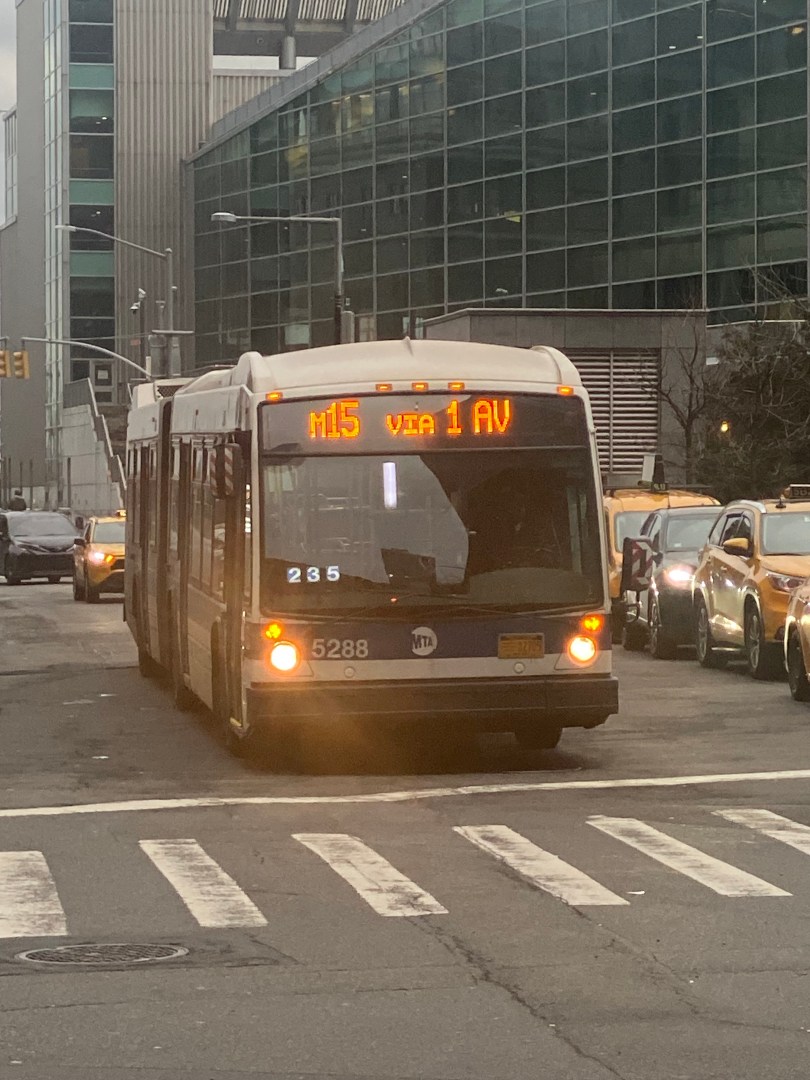
    It’s mid-June, and we are just about a week and a half from public pools opening in New York City on June 27th. Pools tend to be a summer hotspot for New Yorkers, as 1.7 million people visited the city’s public pools in 2018. With it being the day after school ends for NYC students, opening day is set to be a major splash.

Read More »

Major Improvements Coming to A and C Trains in Brooklyn

By Joseph Morales

  The Fulton Line(A,C) is a critical subway line that runs through the heart of Brooklyn. One of only two east-west lines in the borough, the Fulton Line runs across Fulton St in Brooklyn from Jay St-MetroTech to Euclid Ave before entering Queens and traveling to the Rockaways. In Brooklyn, the line connects several of the borough’s most densely populated neighborhoods, such as East New York, Bedford-Stuyvesant, and Downtown Brooklyn. The line also provides riders with access to various parts of Manhattan and Queens. In addition, riders can make connections to many other subway and bus routes. This includes some of Brooklyn’s busier bus routes, such as the B44-SBS(Bedford/Nostrand Ave), B46-SBS(Utica Ave), and the B60(Rockaway Ave).

Entrance to Nostrand Ave(A,C) station in Bed-Stuy, Brooklyn.
Signage directing riders to trains at Nostrand Av(A,C) station.
Read More »

Several Manhattan Subway Stations Are Becoming Fully Accessible 

By Joseph Morales

Manhattan, the most transit-dependent borough in New York City, is a hub of activity. Its relentless gridlock makes the NYC Subway critical for the mobility of New Yorkers and tourists alike. According to data from the NYC Department of City Planning, 77% of Manhattanites and 54% of all NYC residents do not own a car, making the subway not just a more convenient option but a necessity for a significant portion of Manhattan and the city’s population. 

Read More »

Mass Transit Is Sparking Development on Staten Island’s North Shore

By Joseph Morales

Staten Island is the most car-centric and least densely populated borough in New York City. Despite this fact, the borough would be America’s 39th most populous city if it were its own municipality, ranking higher than cities like Miami, Cleveland, and Minneapolis. In addition, 17% of Staten Island households do not have access to a car, which is still significantly higher than the U.S rate of 8.3%. Nowhere is Staten Island’s urban feel more apparent than on the Island’s North Shore, with a car-free household rate of 29% and a population density similar to neighborhoods in Brooklyn and Queens. Mass transit options here include a robust bus network with local buses that could get you just about anywhere on the Island. There are also various express bus routes that connect almost every neighborhood to Manhattan. In addition to buses, some parts of the North Shore also have a train line known as the Staten Island Railway(SIR), that connects the south and west parts of the Island to St. George on the Island’s North and East Shore. Though not considered part of the subway system, the SIR runs with subway trains on a subway-like line with lower headways than NYC subway routes.

Read More »

How Can New State Legislation Impact New York City Transit?

By Joseph Morales

Public transportation is the backbone of New York City. Due to the city’s congestion and limited parking space, many take public transportation to avoid the hassles associated with driving. Given the city’s high cost of living, many find driving to be prohibitively expensive and hence also decide to opt for transit. As a result of these factors and others, 46% of New Yorkers do not own a car and hence rely on public transit to get wherever they need to go. This tally does not include suburbanites who take mass transit in New York City in lieu of driving for the same reasons as residents. 

Read More »