Possible Loss of Parking Minimums for Residential Buildings Concern Staten Islanders

By Joseph Morales

Staten Island is New York City’s least populous borough and is considered by many to have a suburban feel. Many people from the other boroughs and Staten Island alike even refer to the borough as a suburb in conversation. This suburban feel is due to the prevalence of detached single-family houses throughout most neighborhoods in the borough. In turn, these homes form communities that have a much lower density than communities in other boroughs. 

Read More »

What to Expect at Queens Bus Network Redesign Final Plan Public Hearing

By Joseph Morales

Queens is New York City’s largest borough by land area and second largest by population. Like other parts of the city, many residents rely on public transportation to get around. According to data from the NYC Department of City Planning, 37% of Queens’ households do not have access to a vehicle. This does not reflect the thousands of teens who do not drive and also rely on mass transit to get to school and other activities. 

Read More »

Marble Hill Borough Dispute Goes Back To American Revolution

By Joseph Morales

               Marble Hill is a busy residential and commercial neighborhood located on the northside of the Broadway Bridge in Manhattan. It is the only part of Manhattan that is not part of an island. The neighborhood has two main streets, W 225th St and Broadway that make up the community’s commercial fabric. W 225th St east of Broadway is home to several major retailers including Target and Marshalls. On the other hand, Broadway is a hub for small mom and pop businesses including pharmacies and delis. The neighborhood has a dense population and many residents live in the Marble Hill Houses NYCHA development. The community is also home to the John F. Kennedy High School Campus, which is home to seven schools including Bronx Law & Finance and Bronx Theatre that primarily serve students from throughout The Bronx. The neighborhood is well served by mass transit with access to the 1 train, Metro-North and a slew of bus lines including the Bx9 and Bx10.

Read More »

Another Road Diet Is Coming To Staten Island

By Joseph Morales

People get around Staten Island using various modes of transportation. According to data from the NYC Department of City Planning, Staten Island is the city’s most car-dependent borough as 83% of households have access to a vehicle. Nonetheless, this still leaves 17% of households and many more youth that primarily get around via walking and mass transit. Many other Staten Islanders also bike to take advantage of the borough’s verdant landscape. 

Read More »

Curb Usage is Being Reimagined on the Upper West Side

By Joseph Morales

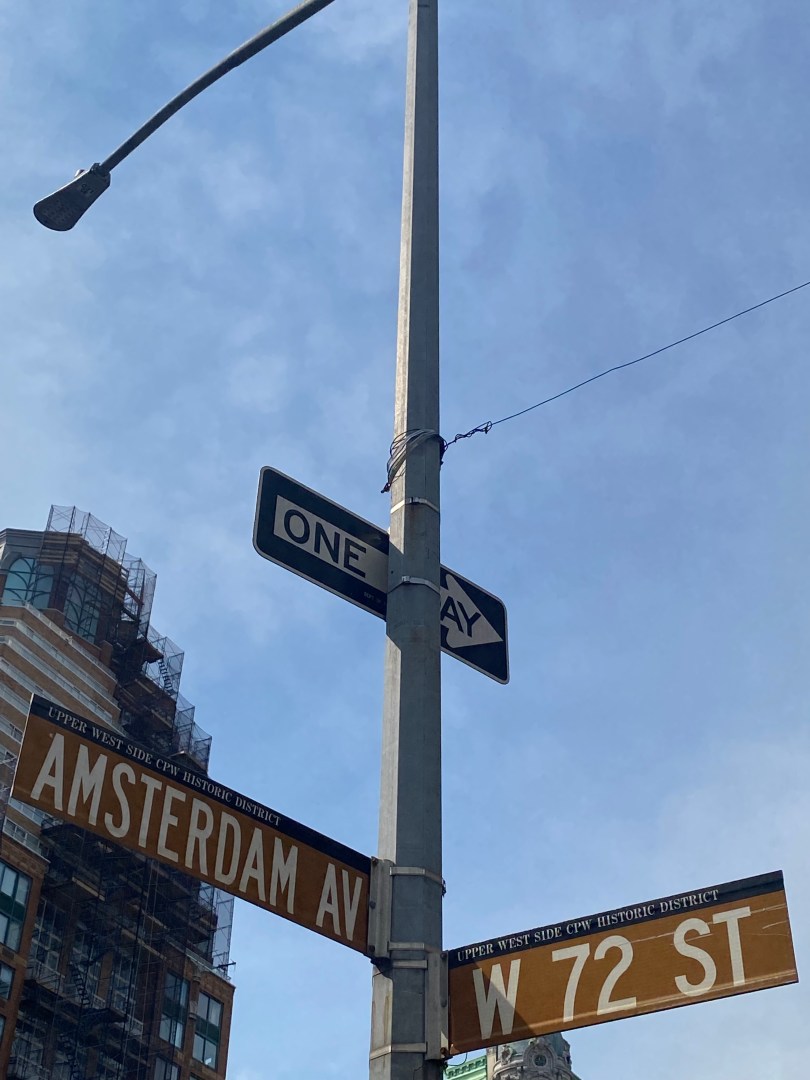
  The Upper West Side is one of New York City’s most well known and vibrant neighborhoods. This section of Manhattan is home to major destinations such as the American Museum of Natural History, the Beacon Theatre, and a roughly half of Central Park. In addition, the neighborhood has a plethora of restaurants, cultural institutions and other places that cater to New Yorkers and tourists alike. The UWS is also among the most densely populated residential neighborhoods in NYC with a density of 76,600 people per square mile and a population of about 227,000. For reference, the UWS has a higher population than cities like Baton Rouge, Birmingham, and Providence. 

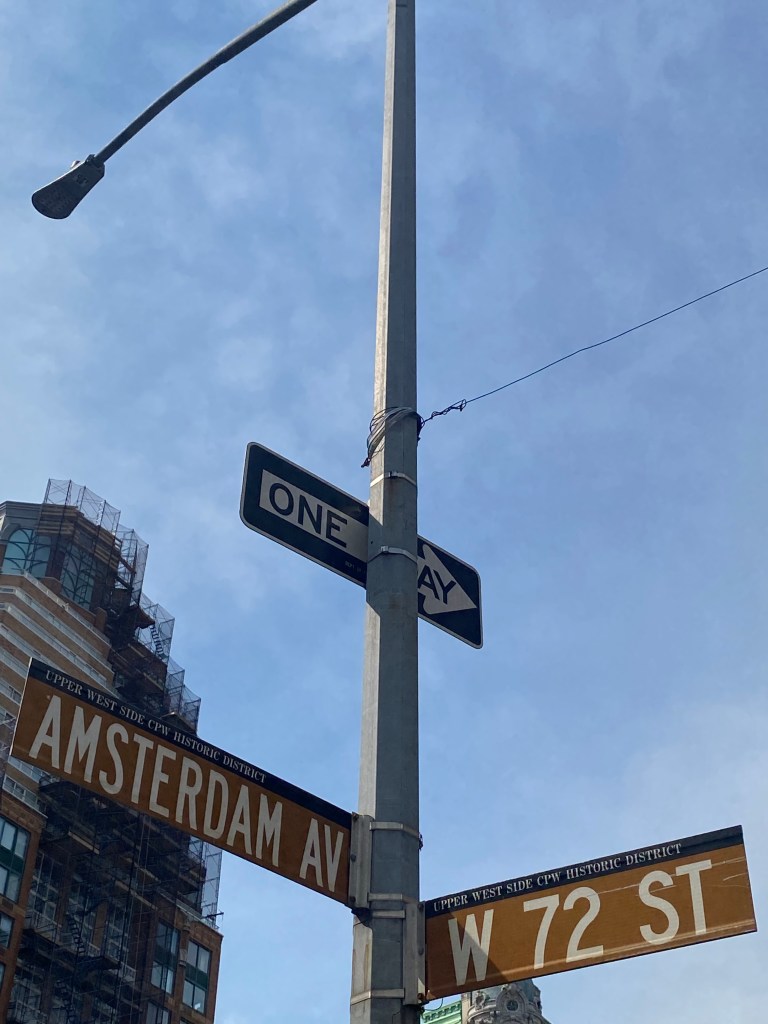
Street signs at intersection of Amsterdam Ave/W 72nd St
Read More »

Major Improvements Coming to A and C Trains in Brooklyn

By Joseph Morales

  The Fulton Line(A,C) is a critical subway line that runs through the heart of Brooklyn. One of only two east-west lines in the borough, the Fulton Line runs across Fulton St in Brooklyn from Jay St-MetroTech to Euclid Ave before entering Queens and traveling to the Rockaways. In Brooklyn, the line connects several of the borough’s most densely populated neighborhoods, such as East New York, Bedford-Stuyvesant, and Downtown Brooklyn. The line also provides riders with access to various parts of Manhattan and Queens. In addition, riders can make connections to many other subway and bus routes. This includes some of Brooklyn’s busier bus routes, such as the B44-SBS(Bedford/Nostrand Ave), B46-SBS(Utica Ave), and the B60(Rockaway Ave).

Entrance to Nostrand Ave(A,C) station in Bed-Stuy, Brooklyn.
Signage directing riders to trains at Nostrand Av(A,C) station.
Read More »

Several Manhattan Subway Stations Are Becoming Fully Accessible 

By Joseph Morales

Manhattan, the most transit-dependent borough in New York City, is a hub of activity. Its relentless gridlock makes the NYC Subway critical for the mobility of New Yorkers and tourists alike. According to data from the NYC Department of City Planning, 77% of Manhattanites and 54% of all NYC residents do not own a car, making the subway not just a more convenient option but a necessity for a significant portion of Manhattan and the city’s population. 

Read More »

Mass Transit Is Sparking Development on Staten Island’s North Shore

By Joseph Morales

Staten Island is the most car-centric and least densely populated borough in New York City. Despite this fact, the borough would be America’s 39th most populous city if it were its own municipality, ranking higher than cities like Miami, Cleveland, and Minneapolis. In addition, 17% of Staten Island households do not have access to a car, which is still significantly higher than the U.S rate of 8.3%. Nowhere is Staten Island’s urban feel more apparent than on the Island’s North Shore, with a car-free household rate of 29% and a population density similar to neighborhoods in Brooklyn and Queens. Mass transit options here include a robust bus network with local buses that could get you just about anywhere on the Island. There are also various express bus routes that connect almost every neighborhood to Manhattan. In addition to buses, some parts of the North Shore also have a train line known as the Staten Island Railway(SIR), that connects the south and west parts of the Island to St. George on the Island’s North and East Shore. Though not considered part of the subway system, the SIR runs with subway trains on a subway-like line with lower headways than NYC subway routes.

Read More »
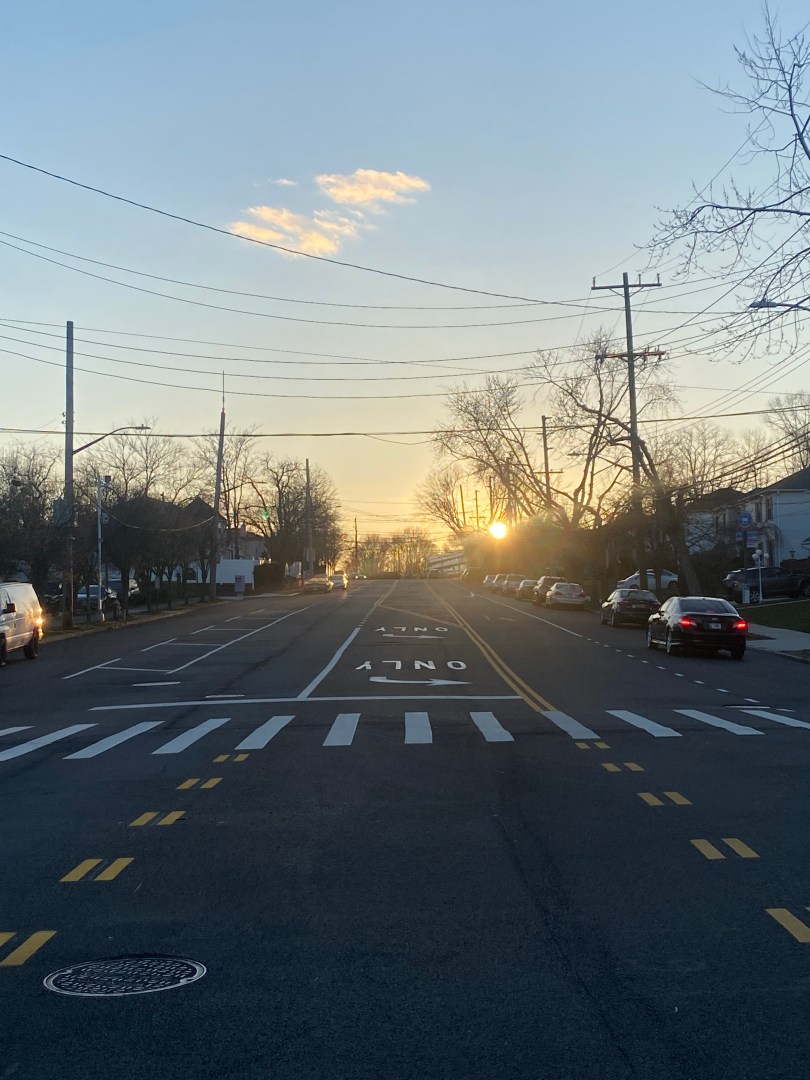
Major Infrastructure Improvements Continue on The Concourse Line

By Joseph Morales

  The Concourse Line(B,D) is a vital subway line running along the Grand Concourse in The Bronx. The line links many of the borough’s most densely populated communities together, such as Fordham, Mt. Eden, and parts of the South Bronx. Major Bronx destinations along the line include Montefiore Medical Center, Fordham University and Yankee Stadium. In addition, it connects these neighborhoods to Manhattan and Brooklyn along with other lines in the NYC Subway system. According to data from the NYC Department of City Planning, only 25-36% of households in the community districts along the line have access to a vehicle. Hence, the subway line is one of the primary means of travel for many residents. Based on data from the MTA, the Concourse line had over 137,000 daily riders in 2022.

Read More »

Could The Nostrand Avenue Line Be Extended?

By Joseph Morales

The Nostrand Avenue Line is a busy subway line in Brooklyn. The line runs from Franklin Ave-Medgar Avenue College and Flatbush Av-Brooklyn College and is served by the 2 and 5 lines. The Nostrand Avenue Line connects several densely populated neighborhoods in Central Brooklyn, such as Midwood, Flatbush, and Prospect Lefferts Gardens. Additionally, the line provides connections to both local and express service on the Eastern Pkwy Line(2,3,4,5), which provides access to even more destinations across Brooklyn and Manhattan. Overall, the line served over 35,000 riders per day in 2022 according to MTA statistics.

Read More »