The MTA Is Proposing Major Changes to Church Ave Bus Service As Part of the Brooklyn Bus Network Redesign. What are the Pros and Cons?

By Joseph Morales

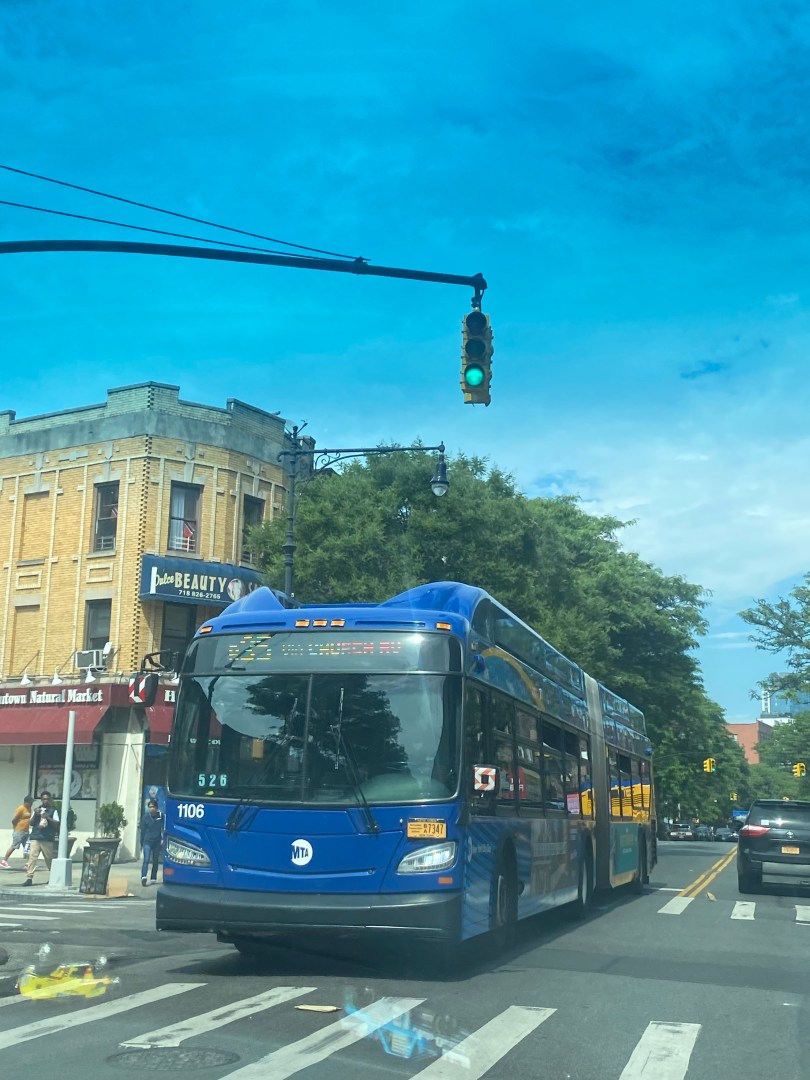
Church Ave is a major residential and commercial corridor that runs about 4 miles east-west through Central Brooklyn between the Kensington and Brownsville neighborhoods. In addition to traversing several busy neighborhoods, the corridor traverses several busy streets and roadways such as Ocean Pkwy/Prospect Expwy, Flatbush Ave, Nostrand/Bedford Ave, and Utica Ave, providing connections for motorists to travel to numerous destinations throughout Brooklyn. In addition, the street is home to several key destinations such as Prospect Park, SUNY Downstate Medical Center, and the Erasmus Hall High School Campus, which currently has about 1,994 students according to data on campus schools from MySchools NYC though the building once served over 7,000 students as a larger high school.

Read More »

Queens Bus Network Redesign Plans To Drastically Speed Up Service For Express Bus Riders

By Joseph Morales

Queens is the largest borough in New York City by land area; and is estimated to be the second most populous borough, according to 2021 data from the U.S Census Bureau. Population and employment density in the borough varies substantially, from the hustle and bustle of Long Island City to the cosmopolitan streets of Jackson Heights and Corona to the suburban-style areas of Bayside and everything in between. 

Read More »

With The Brooklyn Bus Network Redesign Draft Plan, Express Bus Riders Will Probably Have Mixed Emotions About Proposed Changes

By Joseph Morales

The MTA is redesigning the Brooklyn Bus Network with the intention of creating a new bus network with simpler, more direct routes as well as to adjust frequencies on bus routes in order to match current demand. The MTA is also adjusting or even creating new bus routes to match the travel needs of Brooklyn bus riders. 

                While this project may seem like one riders are looking forward too, express bus riders may or may not be so excited. Express buses are typically but not always designed for the purpose of getting people to and from Manhattan from areas of the city that are not served by the subway. Getting to Manhattan without these express buses would likely result in many people having to take bus rides to subway stations, which vary in length depending on where one’s starting point. As areas served by express buses in Brooklyn generally tend to be areas with higher rates of car ownership, many Brooklynites who would otherwise take these buses are likely to drive into Manhattan which can lead to more congested streets in Brooklyn as well as Manhattan. Therefore, express buses are a critical part of a Brooklyn bus network to ensure that all residents have the opportunity to conveniently travel into Manhattan without driving. 

Read More »

New Crosstown Bus Route Alignments Will Speed Up Crosstown Buses In The Bronx

By Joseph Morales

(Link to information on bus routes discussed in article located at the bottom after Works Cited section)

The MTA’s Bronx Bus Network Redesign is a plan to redesign the Bronx’s bus system to meet the needs of its riders and become a faster and more reliable system. Even though The Bronx has developed and evolved in many ways, the bus network has not been reevaluated in many years. With many bus routes still running the routes of old trolley lines, a redesign of the bus system is crucial to push bus operations in The Bronx into the 21st century. One of the biggest changes to the system in the redesign, are the restructuring of the Bx11, Bx35 and Bx36, routes which travel east-west across The Bronx from points in West Farms and Soundview across different corridors to W 181st St in the Washington Heights section of Manhattan. In addition, the Bx40 and Bx42 routes that run between the Throggs Neck section of the Bronx and the Highbridge area of the borough are also being restructured. The purpose of this route restructuring is to reduce the number of turns and avoid slow speed corridors and improve bus stop spacing. This might make bus trips across the corridors faster and more direct and make it easier for Bronxites to get across the borough to high density areas without subway service, as well as to transfer to other subway and bus routes which is a common purpose of crosstown bus routes.


Read More »

Increase in Bx29 service will Make It Easier to Get to The Bronx’s Summer Paradise

By Joseph Morales

                 The Bronx Bus Network Redesign will make Bronx bus routes more frequent, reliable and faster for bus riders in The Bronx. The redesign is being done as many Bronx bus routes are extremely old, some are even carbon copies of old trolley lines. Since then, many job and recreational opportunities have created new travel patterns throughout the Bronx. One place that has seen an increase in trips in City Island in The Bronx. This is why the Bx29(the only Bronx bus route that enters City Island) will now have overnight service at 40 minute headways. This will allow bus riders to travel to and from City Island for more purposes and more often than ever before. Transit riders will now have a more equitable opportunity to enjoy The Bronx’s Summer Paradise.  The changes will take place on June 26th, right on cue for City Island’s peak summer visitor season.


Read More »

Co-Op City in The Bronx is Getting Some New Travel Options As Part Of The Bronx Bus Network Redesign

By Joseph Morales


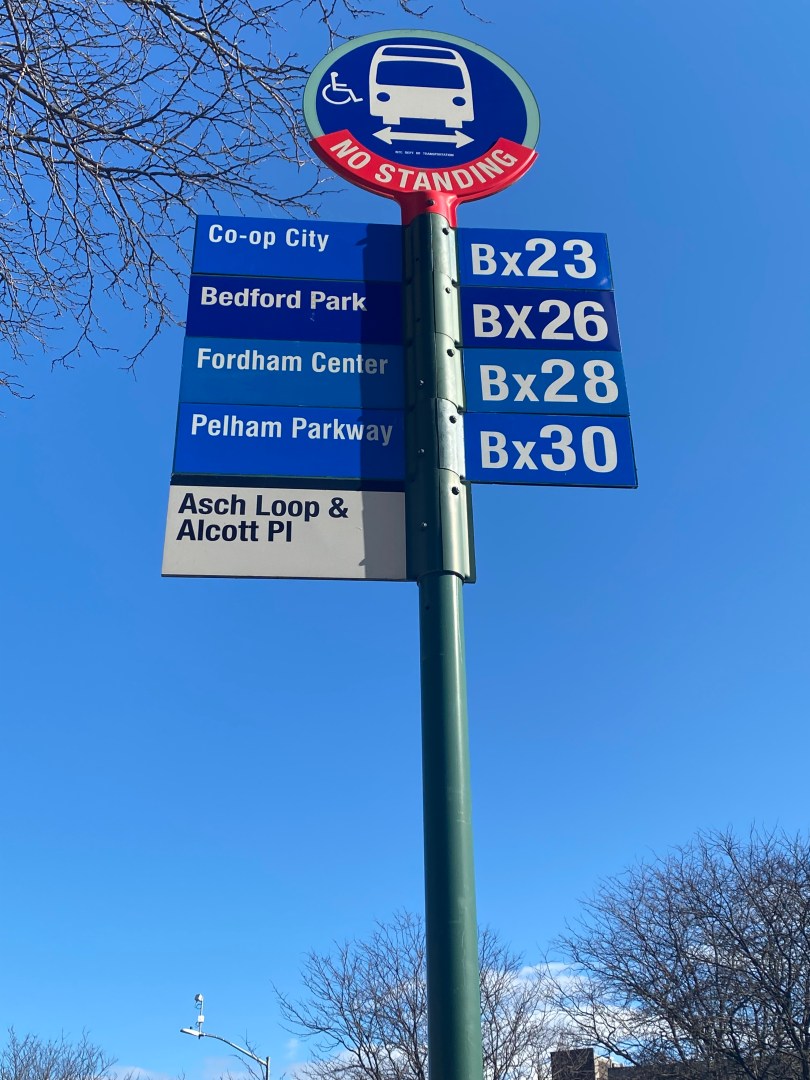
                      Co-Op City is a high density residential community in the Northeastern Bronx that comprises mainly tall, residential apartment buildings. Asch, Dreiser and Einstein Loops have mini shopping plazas with small businesses and community destinations such as delis, community centers, pharmacies and more. There are massive greenways that connect most of the loops and residences to each other. Co-Op City is known for one of the largest shopping malls in The Bronx, Bay Plaza, which attracts shoppers from throughout the Bronx.

                      Though Co-Op City has never had subway service, it has been a hub for bus transit in The Bronx for many years. Co-Op City has 7 local routes, the Q50-LTD, the Bx12-SBS and the BxM7 express bus to Midtown Manhattan. The Bx38 and Bx12-SBS are commonly used by riders from throughout the borough to access the Bay Plaza Shopping Center. All 7 bus routes are also commonly used by students to attend any of 5 schools in the Northeast Bronx Educational Park located in Co-Op City.  Many Co-Op City residents also ride the buses to subway stations (most notably the Pelham Bay Park station on the 6 line) and other destinations throughout the Bronx. Co-Op City is also the largest naturally occurring retirement community in not just New York, but all of the United States, so routes are heavily relied on by senior citizens to get them to destinations safely and reliably. Now, routes are being adjusted to better reflect the travel needs of the community and make Co-Op City’s bus network even more robust.


Read More »

The Benefits Of The Main St/Kissena Blvd Busway in Downtown Flushing Have Been Felt Throughout The Queens Bus System

By Joseph Morales

              Downtown Flushing is one of Queens and New York City’s most important commercial districts outside of Manhattan. It is a hub for numerous businesses including retail shops and restaurants.  It is one of the largest central business districts in all of New York City outside of Manhattan.

             In addition to being an area of high activity, Downtown Flushing is also one of the most critical transit hubs in all of Queens. The Flushing-Main St station was the 10th busiest subway station in all of New York City in 2020 and the 2nd busiest in all of Queens only behind the Jackson Heights-Roosevelt Avenue/74th St-Broadway station complex. 20 bus routes, the LIRR and the Flushing-Main St subway station all converge in the area.  As for the buses, 20 routes converge in Downtown Flushing, with 11 of them operating on the Main St/Kissena Blvd Busway that travel to destinations throughout Queens. They carried between about 173,000 people daily pre-pandemic. When the Queens bus system was first designed, routes were proposed to get as many people as possible to subway stations in the borough’s core business districts (particularly those from transit deserts in Eastern Queens), and is still one of the primary uses of these buses today. Pre-pandemic, about 28,000 riders took a bus to subway transfer at the Flushing-Main St station on the 7 train, providing access to Western Queens, Midtown Manhattan and the broader NYC Subway System.

                  Given the amount of riders who need to get in, out and around Downtown Flushing daily, fast and reliable service is imperative to get riders where they need to go. Even for riders who take buses outside of Downtown Flushing, traffic in Downtown Flushing and on the Main St corridor can still delay the buses they ride from getting to them, leading to delays for riders who do not even travel in the vicinity of the corridor. Unfortunately and unsurprisingly due to the high density of the neighborhood, buses in  Downtown Flushing on the Main  St/Kissena Blvd were known for being slow and unreliable with bus speeds of below 4 mph on weekday morning rush hours, below 3 mph midday and PM hours on buses that only operated on Main St, for buses that operated on both Main St and Kissena Blvd, bus speeds were 4.8 mph during the AM peak and below 4 mph during the midday and PM peak periods.

    This is why the NYCDOT and MTA implemented the Main St/Kissena Blvd Busway a part of the citywide Better buses initiative in order to get buses moving faster, ease congestion and help hundreds of thousands of riders to get to their destinations reliably.  Even though bus speeds may still not be very high, they have greatly improved and helped the cause to ease the load on one of the central arteries in the Queens Bus Network. The busway is also active 7 days a week, which is reflective of the need for faster buses during off-peak periods.  According to the NYCDOT, as of April 2021, bus speeds are faster at all times of the day in the northbound direction. Bus speeds from Kissena Blvd/Sanford Ave to Main St/Northern Blvd by 22% in the midday and 29% during the PM Peak period. From Main St/Sanford Ave to Main St/Northern Blvd bus speeds have increased by 13% in the midday and 12% in the PM Peak period.


Read More »