Free Bus Service Is Making Huge Difference For Connecticut Bus Riders. Could It Be Sustained?

By Joseph Morales

                  Public Transportation is a major part of how people get around in the state of Connecticut. According to the 2021 American Community Survey(2021 done by the U.S Census Bureau, the Bureau estimated that 8.4% of CT households and 19.4% of renter-occupied households did not have access to a car both with extremely slim margins of error. Connecticut’s bigger cities are even less car-dependent as the percentage of households without access to a car is high in certain places such as Hartford(29.5%), New Haven(10.7%) and Stamford(8.2%) also based on U.S Census ACS estimates. Even if they own vehicles, many CT residents may also use buses in order to get to the Metro-North Railroad(MNR) especially if their local station lacks adequate parking or if residents want to save money on parking permits or fees at certain stations. Rising gas prices may also motivate people who normally drive to use public transit for certain trips.

Read More »

The Fair Fares Program Provides Half-Priced Transit Fares to Low-Income New Yorkers. Why Haven’t More People Signed Up?

By Joseph Morales

(Link to sign up for Fair Fares is at the bottom of the article upon pressing Read More)

In 2019, NYC Mayor Bill De Blasio and the New York City Council announced the Fair Fares Program to make the MTA’s subway and bus services as well as Access-A-Ride affordable to low-income New Yorkers by offering riders either half-priced MetroCards or Access-A Ride fares to help cover daily transportation costs. The city currently has about $75 million dollars targeted to the program which gives New Yorkers living below the federal poverty threshold the opportunity to obtain half-priced MetroCards with all fare options available(Pay-Per Ride, 7 and 30 day unlimited, etc.) The program which has been fully operational for almost the last two and a half years has been able to serve over 270,006 riders according to the fair fares website. It has changed the lives of many, take for instance Derek Jimenez, an East Harlem resident who works a maintenance job that pays about $1,000 a month($12,000 a year) who told the New York Times in February that now his money stretches further. He told them that though he was able to afford certain things like a guitar he got on sale, that he mostly saves the money. “I hold onto it for now, for rainy days. The economy is really hurting.”  Though the program has had some success, it is astonishing that only 270,006 people are enrolled out of the approximately 700,000 people eligible, which is less than half of all eligible New Yorkers. That is up from only 257,004 as of January 2021. There are a number of reasons, but many are rooted in the systemic inequities that low-income residents of New York City continue to persevere through on a daily basis.

Read More »

The Bronx Bus Network Redesign is Finally In Effect!

By Joseph Morales


               After an almost two year delay caused by the COVID-19 pandemic and the budget woes that came along with it, the MTA has finally implemented the final plan for the Bronx Bus Network Redesign. Bronxites have waited patiently for this day in order to have a faster and more reliable system for many years. Many Bronxites who rely on buses live in areas that lack subway service or make crosstown trips for which there is no subway service except for at almost the very southernmost point of the borough.  Since about 60% of Bronxites do not own cars,(not including middle/high school students between the ages 12-18), buses are a critical part of mobility in the borough. Bronx Borough President Vanessa Gibson said this in a recent video on the redesign published on the mtainfo youtube channel, “People want to get to their destination safely, they want it to be efficient services, reliable and affordable. If you check all of those boxes, you will have happy commuters in our borough.”


Read More »

New Crosstown Bus Route Alignments Will Speed Up Crosstown Buses In The Bronx

By Joseph Morales

(Link to information on bus routes discussed in article located at the bottom after Works Cited section)

The MTA’s Bronx Bus Network Redesign is a plan to redesign the Bronx’s bus system to meet the needs of its riders and become a faster and more reliable system. Even though The Bronx has developed and evolved in many ways, the bus network has not been reevaluated in many years. With many bus routes still running the routes of old trolley lines, a redesign of the bus system is crucial to push bus operations in The Bronx into the 21st century. One of the biggest changes to the system in the redesign, are the restructuring of the Bx11, Bx35 and Bx36, routes which travel east-west across The Bronx from points in West Farms and Soundview across different corridors to W 181st St in the Washington Heights section of Manhattan. In addition, the Bx40 and Bx42 routes that run between the Throggs Neck section of the Bronx and the Highbridge area of the borough are also being restructured. The purpose of this route restructuring is to reduce the number of turns and avoid slow speed corridors and improve bus stop spacing. This might make bus trips across the corridors faster and more direct and make it easier for Bronxites to get across the borough to high density areas without subway service, as well as to transfer to other subway and bus routes which is a common purpose of crosstown bus routes.


Read More »

Increase in Bx29 service will Make It Easier to Get to The Bronx’s Summer Paradise

By Joseph Morales

                 The Bronx Bus Network Redesign will make Bronx bus routes more frequent, reliable and faster for bus riders in The Bronx. The redesign is being done as many Bronx bus routes are extremely old, some are even carbon copies of old trolley lines. Since then, many job and recreational opportunities have created new travel patterns throughout the Bronx. One place that has seen an increase in trips in City Island in The Bronx. This is why the Bx29(the only Bronx bus route that enters City Island) will now have overnight service at 40 minute headways. This will allow bus riders to travel to and from City Island for more purposes and more often than ever before. Transit riders will now have a more equitable opportunity to enjoy The Bronx’s Summer Paradise.  The changes will take place on June 26th, right on cue for City Island’s peak summer visitor season.


Read More »

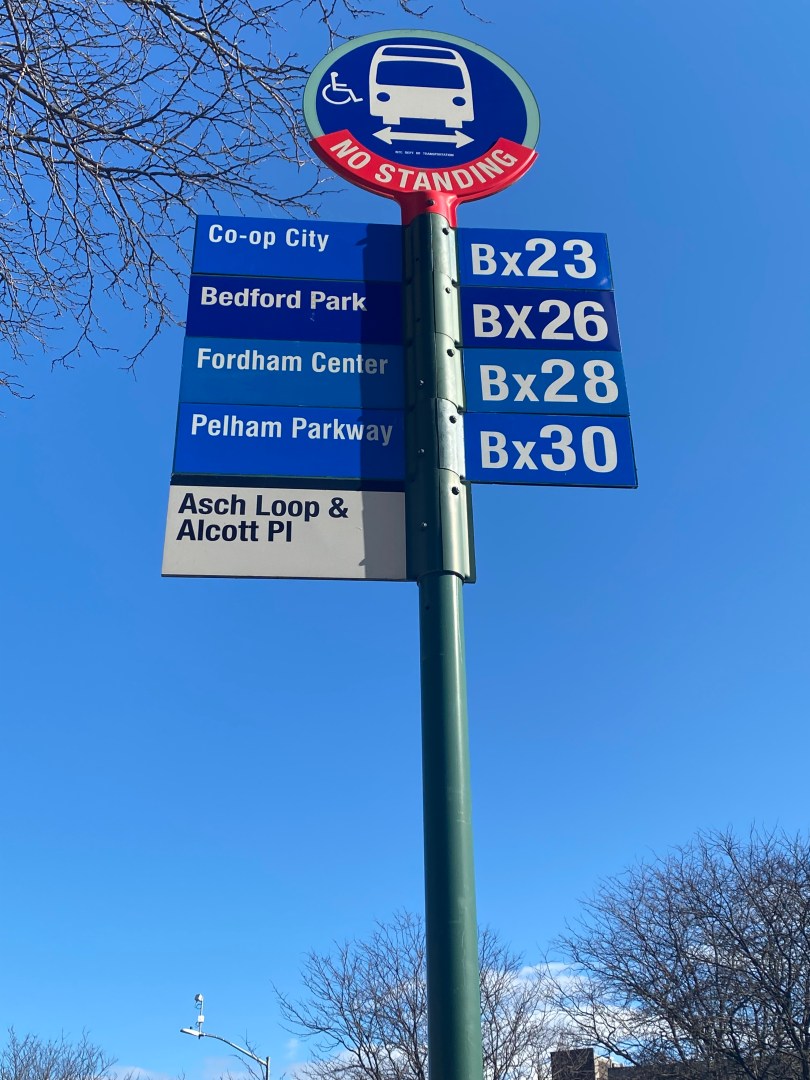
Co-Op City in The Bronx is Getting Some New Travel Options As Part Of The Bronx Bus Network Redesign

By Joseph Morales


                      Co-Op City is a high density residential community in the Northeastern Bronx that comprises mainly tall, residential apartment buildings. Asch, Dreiser and Einstein Loops have mini shopping plazas with small businesses and community destinations such as delis, community centers, pharmacies and more. There are massive greenways that connect most of the loops and residences to each other. Co-Op City is known for one of the largest shopping malls in The Bronx, Bay Plaza, which attracts shoppers from throughout the Bronx.

                      Though Co-Op City has never had subway service, it has been a hub for bus transit in The Bronx for many years. Co-Op City has 7 local routes, the Q50-LTD, the Bx12-SBS and the BxM7 express bus to Midtown Manhattan. The Bx38 and Bx12-SBS are commonly used by riders from throughout the borough to access the Bay Plaza Shopping Center. All 7 bus routes are also commonly used by students to attend any of 5 schools in the Northeast Bronx Educational Park located in Co-Op City.  Many Co-Op City residents also ride the buses to subway stations (most notably the Pelham Bay Park station on the 6 line) and other destinations throughout the Bronx. Co-Op City is also the largest naturally occurring retirement community in not just New York, but all of the United States, so routes are heavily relied on by senior citizens to get them to destinations safely and reliably. Now, routes are being adjusted to better reflect the travel needs of the community and make Co-Op City’s bus network even more robust.


Read More »

The Benefits Of The Main St/Kissena Blvd Busway in Downtown Flushing Have Been Felt Throughout The Queens Bus System

By Joseph Morales

              Downtown Flushing is one of Queens and New York City’s most important commercial districts outside of Manhattan. It is a hub for numerous businesses including retail shops and restaurants.  It is one of the largest central business districts in all of New York City outside of Manhattan.

             In addition to being an area of high activity, Downtown Flushing is also one of the most critical transit hubs in all of Queens. The Flushing-Main St station was the 10th busiest subway station in all of New York City in 2020 and the 2nd busiest in all of Queens only behind the Jackson Heights-Roosevelt Avenue/74th St-Broadway station complex. 20 bus routes, the LIRR and the Flushing-Main St subway station all converge in the area.  As for the buses, 20 routes converge in Downtown Flushing, with 11 of them operating on the Main St/Kissena Blvd Busway that travel to destinations throughout Queens. They carried between about 173,000 people daily pre-pandemic. When the Queens bus system was first designed, routes were proposed to get as many people as possible to subway stations in the borough’s core business districts (particularly those from transit deserts in Eastern Queens), and is still one of the primary uses of these buses today. Pre-pandemic, about 28,000 riders took a bus to subway transfer at the Flushing-Main St station on the 7 train, providing access to Western Queens, Midtown Manhattan and the broader NYC Subway System.

                  Given the amount of riders who need to get in, out and around Downtown Flushing daily, fast and reliable service is imperative to get riders where they need to go. Even for riders who take buses outside of Downtown Flushing, traffic in Downtown Flushing and on the Main St corridor can still delay the buses they ride from getting to them, leading to delays for riders who do not even travel in the vicinity of the corridor. Unfortunately and unsurprisingly due to the high density of the neighborhood, buses in  Downtown Flushing on the Main  St/Kissena Blvd were known for being slow and unreliable with bus speeds of below 4 mph on weekday morning rush hours, below 3 mph midday and PM hours on buses that only operated on Main St, for buses that operated on both Main St and Kissena Blvd, bus speeds were 4.8 mph during the AM peak and below 4 mph during the midday and PM peak periods.

    This is why the NYCDOT and MTA implemented the Main St/Kissena Blvd Busway a part of the citywide Better buses initiative in order to get buses moving faster, ease congestion and help hundreds of thousands of riders to get to their destinations reliably.  Even though bus speeds may still not be very high, they have greatly improved and helped the cause to ease the load on one of the central arteries in the Queens Bus Network. The busway is also active 7 days a week, which is reflective of the need for faster buses during off-peak periods.  According to the NYCDOT, as of April 2021, bus speeds are faster at all times of the day in the northbound direction. Bus speeds from Kissena Blvd/Sanford Ave to Main St/Northern Blvd by 22% in the midday and 29% during the PM Peak period. From Main St/Sanford Ave to Main St/Northern Blvd bus speeds have increased by 13% in the midday and 12% in the PM Peak period.


Read More »
Cars and Buses Battle For Space In Williamsburg

By Joseph Morales

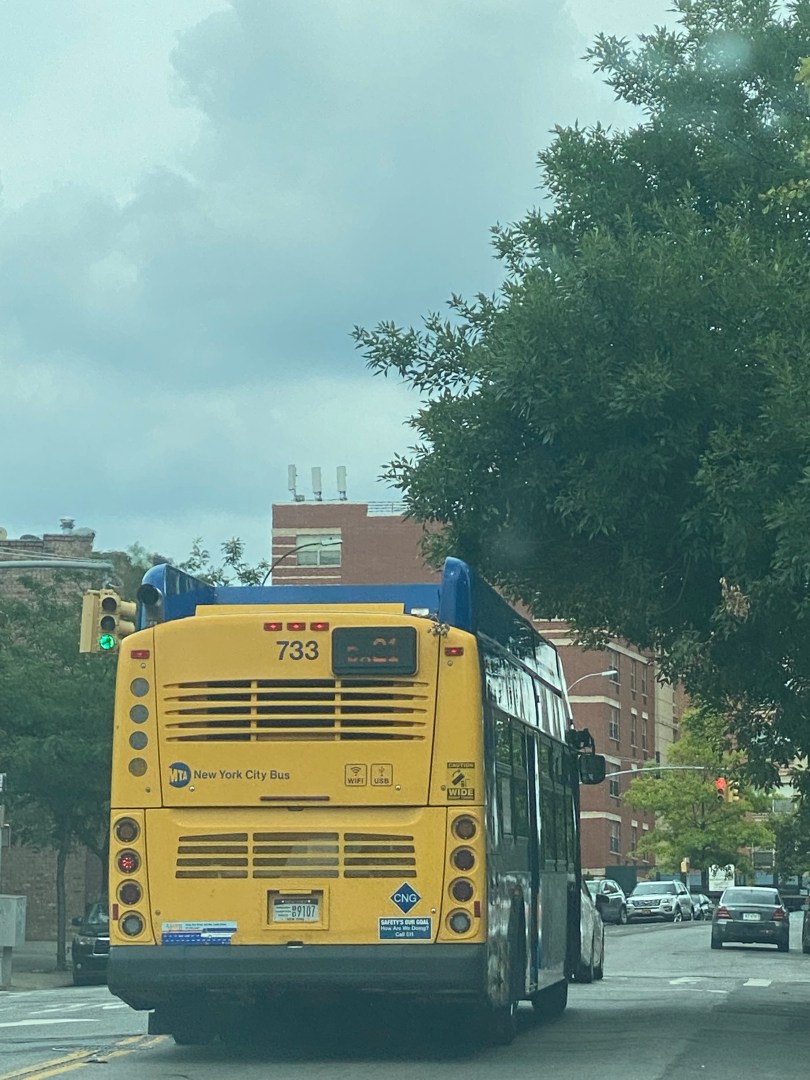
On Bedford Ave in Williamsburg, Brooklyn, bus lanes for the B44-SBS run from 7AM-10AM weekays only despite the forecast of heavy traffic daily on this route from almost all day, 7 days a week from 8AM-10PM done by Google Maps. This leads to delays and bus bandwagons with buses being stuck in traffic due to lack of bus priority. In addition, this route is the 5th busiest in the city, with 6,689,127 trips in 2020 according to MTA figures, which can result in more crowding and lost time even in areas further south in Brooklyn that this bus route operates in(Flatbush, Sheepshead Bay, etc). On top of that, this bus route frequently has cars parked in its bus lanes both legally when the lane is not active and illegally which prevent the B44-SBS as well as other bus routes from utilizing them, and thus having to muster space in two lanes of car traffic on Nostrand or Bedford Av in the traffic the routes were designed to avoid.


Read More »