Park Slope Subway Station Becomes Accessible After Years of Community Advocacy

By Joseph Morales

Park Slope is a densely populated neighborhood in Western Brooklyn that is one of if not the most well known neighborhoods in Brooklyn. Just a 15 min subway ride from Lower Manhattan, the neighborhood is famous for its brownstone residential buildings, which are considered part of quintessential Brooklyn and New York. Park Slope is also adjacent to the popular Prospect Park, which is one of New York City’s largest parks with a plethora of green space and sports fields. The neighborhood is well served by mass transit with the D, N, R, F and G trains stopping in the area along with several bus routes.

Read More »
The OMNY Card Is Finally Available At Select Subway Stations, A Major Step In The OMNY Rollout

By Joseph Morales

 The One Metro New York(OMNY) system is slowly but surely becoming the dominant way New Yorkers pay to ride buses and subways throughout the city. With the rollout of OMNY beginning on select bus routes and at certain subway stations in 2019, riders have been able to tap their smart device or card on an OMNY reader to board the bus or subway, rather than use a prepaid MetroCard. The goal for the MTA has been to develop a contactless fare option that is more flexible and convenient for its riders. In addition to the added convenience for riders, OMNY has provided the MTA with the ability to implement fare policies they were not previously able to such as fare capping. With fare capping, riders who spend $34 or take 12 rides in a single week can ride free for the remainder of that week. Before fare capping, the same riders either had to pay for an Unlimited or Pay-Per-Ride MetroCard which often would have left them in situations where they paid for rides they did not take or wound up paying more for their rides because they did not purchase the Unlimited MetroCard. The MTA had planned to retire the MetroCard in favor of OMNY by the end of this year, however that has been delayed to 2024 due to software issues.

Read More »

The MTA Is Considering Plan That Would Substantially Improve Brooklyn Subway Service

By Joseph Morales

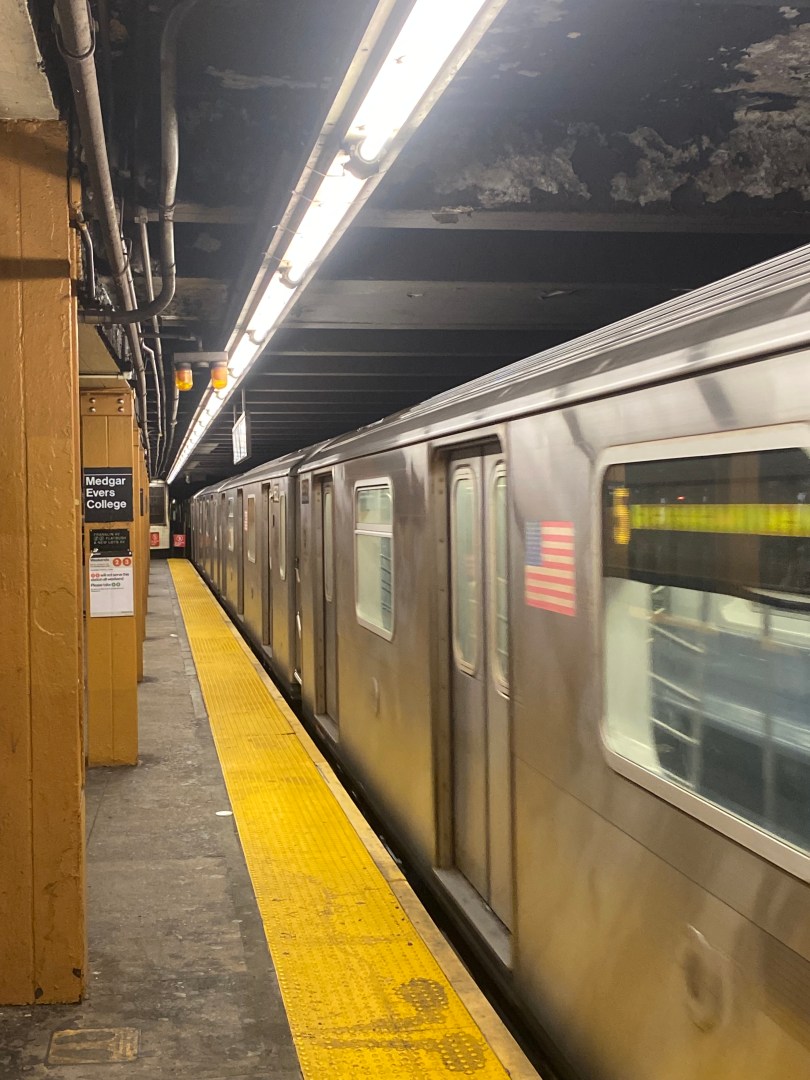
The Eastern Parkway Line(2,3,4,5) is one of the most important subway lines in Brooklyn, running from Borough Hall(2,3,4,5) to Crown Heights-Utica Av(3,4). Subway routes that serve the line connect riders to places along Eastern Pkwy along with Brooklyn and Manhattan. Notable locations that are served directly by the line include Prospect Park, The Brooklyn Museum, The Brooklyn Botanical Garden and Medgar Evers College. The line also provides connections to some of Brooklyn and NYC’s busiest bus routes such as the B46-SBS(Utica Ave) and the B44-SBS(Nostrand Ave), which help many riders from areas that lack subway service to be able to access the line.  The Eastern Pkwy Line has two branches, with the 2 and 5 trains primarily running to Flatbush Av-Brooklyn College on the Nostrand Ave line and the 3 and occasionally the 4 train running to New Lots Av on the Livonia Avenue Line. On the Eastern Pkwy line itself, the 2 and 3 run local and the 4 and 5 run express. Given the congestion and hassle generally associated with driving in both Brooklyn and Manhattan, is absolutely critical for Brooklyn subway riders to be able to traverse the city quickly and reliably.

Read More »

New Guide on Bloomberg Connects App Will Help MTA Riders To Connect With The Art in The Transit System

By Joseph Morales

The NYC Subway System is one of the most vast and most used subway systems in the entire world, with 472 subway stations serving millions of riders daily. The MTA’s commuter rails are also similarly impressive, with 250 rail stations serving hundreds of thousands of riders from New York’s suburbs as well as certain parts of the Bronx, Brooklyn, and Queens.

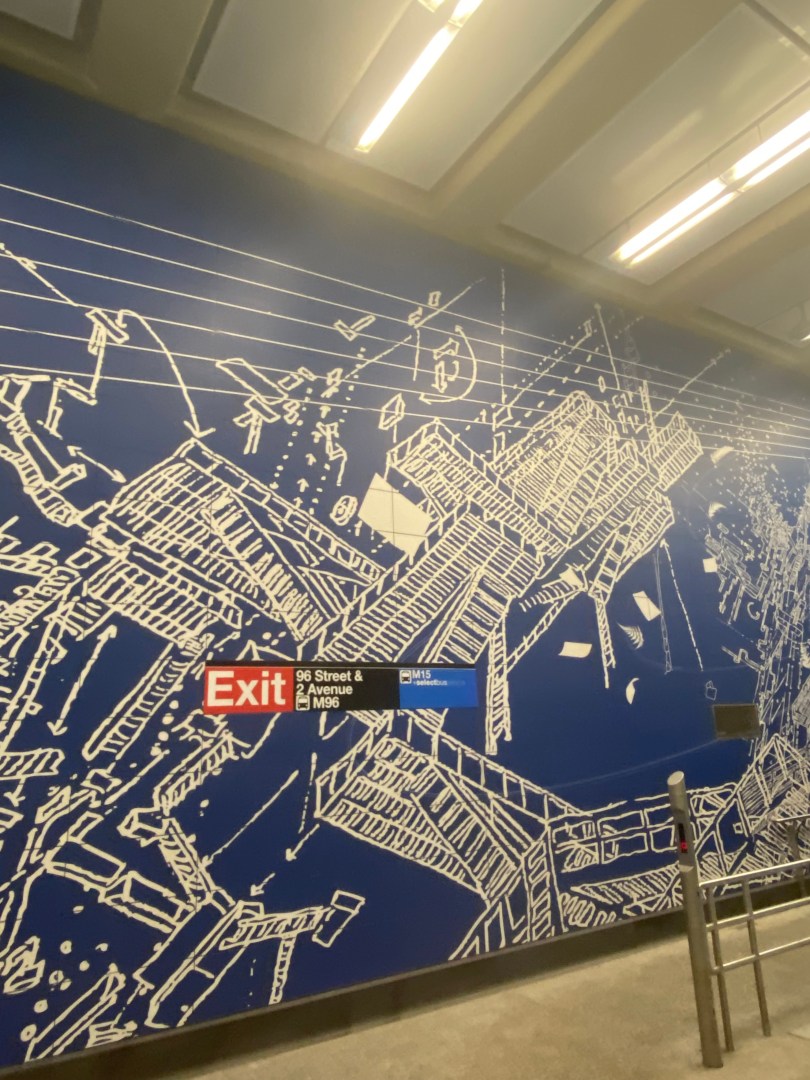
                  Besides being able to get to many parts of NYC and the NY region without a car, the sheer number of stations allows for the ability for hundreds of unique, elegant, and inspiring artworks to be on display throughout the subway system as well as the Metro-North and LIRR. Large station complexes such as Grand Central Terminal tend to have many pieces of art, as the size of these complexes provides artists with plenty of possible canvases. The transit system’s artwork generally consists of various forms, including mosaics, terra cotta, and more.

Read More »

When Will The Court Square Station Become Fully Accessible?

By Joseph Morales

The Court Square subway station complex in Long Island City, Queens, is one of the busiest station complexes in the NYC Subway system located outside of Manhattan. With its location in one of Queens’ most densely populated neighborhoods and just minutes from Manhattan, many people from across New York City and the region travel to Court Square for work, school, recreation, and many other purposes. The activity density in Long Island City is so great that many even consider it one of New York City’s satellite downtowns, along with Downtown Brooklyn. In addition to being a popular neighborhood now, Long Island City is also considered to be one of Queens’ fastest-growing neighborhoods, with the number of residential developments surging and office jobs in the area increasing at about double the citywide average in the last ten years despite the disruption caused by the pandemic. Hence, even more commuters will likely use the Court Square complex in the future. In addition, its connectivity to five subway lines makes it a popular transfer hub with connections to many other densely populated sections of Queens, Manhattan, and Brooklyn. 

Read More »

New Elevators Make Two Partially Accessible Subway Stations Fully Accessible

By Joseph Morales

The NYC Subway is the lifeblood of New York City, getting millions of New Yorkers to their destinations across the city on a daily basis. According to MTA statistics, 5.5 million people rode the subway from one of the city’s 472 subway stations in 2019. Even after the COVID-19 pandemic led many to work from home and many office workers still work hybrid schedules, ridership numbers are still consistently in the millions, and the highest recorded ridership on a given day since the start of the pandemic is a record of 4.09 million set on May 17th, 2023. While many American cities have some sort of rail-based transit system, New York’s is especially critical to its residents, as only 46% of NYC households own cars compared to 91.7% of households in the U.S. according to NYC Department of City Planning/Forbes data, respectively. Hence, being able to utilize the subway system allows New Yorkers to travel distances across the city by rail, which would not be as easily traversable by transit in other parts of the country with bus and rail systems that are more limited in scope and coverage. 

Read More »

The MTA Is Working To Add Elevators To South Bronx Subway Station By The End of The Year

By Joseph Morales

The E 149th St station on the Pelham Line(6 train) is located between the Mott Haven and Hunts Point neighborhoods in the South Bronx. The station is located in a primarily residential community with many small businesses along the surrounding streets. The station is also just a short walk from the verdant St. Mary’s Park, which is used by Bronxites from throughout the borough.

Read More »

New Technology Makes Is Set To Make Transit More Accessible At Busy Manhattan Subway Stations and A Busy Bus Route

By Joseph Morales

65/66th Street is one of the most vital corridors that runs along the Upper East/West Sides of Manhattan. The corridor is home to several major regional destinations, such as Rockefeller University, Memorial Sloan Kettering Cancer Center, the Central Park Zoo, Lincoln Center, and so much more. Additionally, the corridor is home to the 1 train on the West Side(Broadway/7th Avenue Line) and the 6 train on the East Side(Lexington Avenue Line), meaning while the corridor is well connected to the rest of the city by subway, many transit riders might utilize the M66 crosstown bus in order to access trains traveling to different parts of Manhattan and The Bronx that the other line is disconnected from. Transit is extremely imperative to people getting around along 66th Street and the surrounding communities as not only do most people traveling to Manhattan use mass transit, but only 30% of UES and 27% of UWS households own cars, according to data from the New York City Department of City Planning(NYCDCP). Thus, transit is critical to the movement of both residents and visitors in the 66th St area daily.

Read More »

New Signal System Is Coming To Another Busy NYC Subway Line To Dramatically Reduce Delays And Speed Up Service

By Joseph Morales

The Culver Line is a busy subway line that runs between Downtown Brooklyn and Coney Island. The F Train runs on the entirety of the line, and the G train runs on much of the northern section of the line, providing Culver Line riders with strong connections to various sections of Brooklyn, Manhattan, and Queens, as well as a plethora of other subway and bus lines that traverse the city. In addition, the line connects many of Brooklyn’s most historic, densely populated, and most highly visited neighborhoods together, such as Park Slope, Williamsburg, Bedford-Stuyvesant, Downtown Brooklyn, Flatbush, and Coney Island. Additionally, many households along the line lack access to a car, with car ownership rates in the communities surrounding the line being between 33 and 51 percent, according to data from the NYC Department of City Planning. Thus, the line is essential to many area residents being able to get around on a regular basis reliably.

Read More »

Escalators at Iconic Lower Manhattan Subway Station Are Being Replaced

By Joseph Morales

The Bowling Green station on the 4,5 lines in the Financial District is one of New York City’s most historic subway stations, having been in operation for over 115 years. Since opening in 1905, the station has provided access to many of New York’s most famous attractions and key destinations. These include major office buildings, Battery Park, the National Museum of the American Indian, the Staten Island Ferry, the ferries to Ellis Island, and the Statue of Liberty. The station is mainly known by New Yorkers for its nontraditional red walls on the inside as well as its two unique entrances. One of these entrances is the station headhouse or control house, which has been used since the station’s opening in 1905 and is considered a designated NYC landmark and is on the National Register of Historic Places. The other is an escalator surrounded by a glass canopy that, when riding, feels like you’re getting a grand entrance into the neighborhood, with an immersive view of the MTA headquarters, 2 Broadway, greeting you as you come above ground. The canopy opened in the station in 2007, 102 years after its opening.

Read More »