Marble Hill Borough Dispute Goes Back To American Revolution

By Joseph Morales

               Marble Hill is a busy residential and commercial neighborhood located on the northside of the Broadway Bridge in Manhattan. It is the only part of Manhattan that is not part of an island. The neighborhood has two main streets, W 225th St and Broadway that make up the community’s commercial fabric. W 225th St east of Broadway is home to several major retailers including Target and Marshalls. On the other hand, Broadway is a hub for small mom and pop businesses including pharmacies and delis. The neighborhood has a dense population and many residents live in the Marble Hill Houses NYCHA development. The community is also home to the John F. Kennedy High School Campus, which is home to seven schools including Bronx Law & Finance and Bronx Theatre that primarily serve students from throughout The Bronx. The neighborhood is well served by mass transit with access to the 1 train, Metro-North and a slew of bus lines including the Bx9 and Bx10.

Read More »
Another Road Diet Is Coming To Staten Island

By Joseph Morales

People get around Staten Island using various modes of transportation. According to data from the NYC Department of City Planning, Staten Island is the city’s most car-dependent borough as 83% of households have access to a vehicle. Nonetheless, this still leaves 17% of households and many more youth that primarily get around via walking and mass transit. Many other Staten Islanders also bike to take advantage of the borough’s verdant landscape. 

Read More »

Curb Usage is Being Reimagined on the Upper West Side

By Joseph Morales

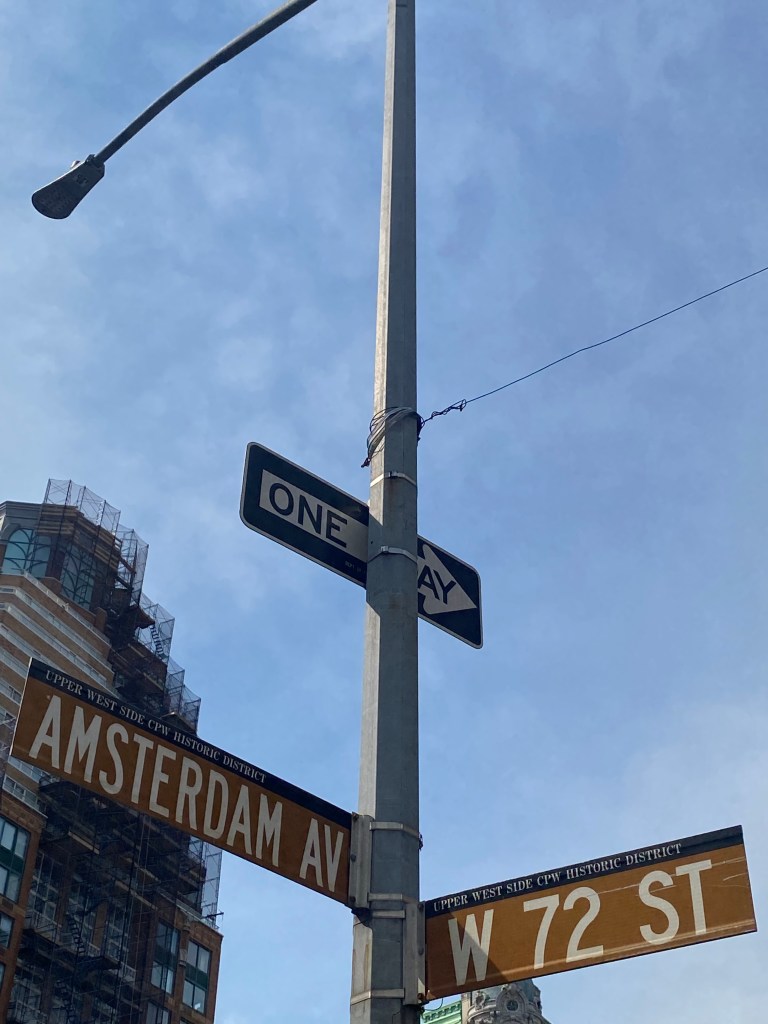
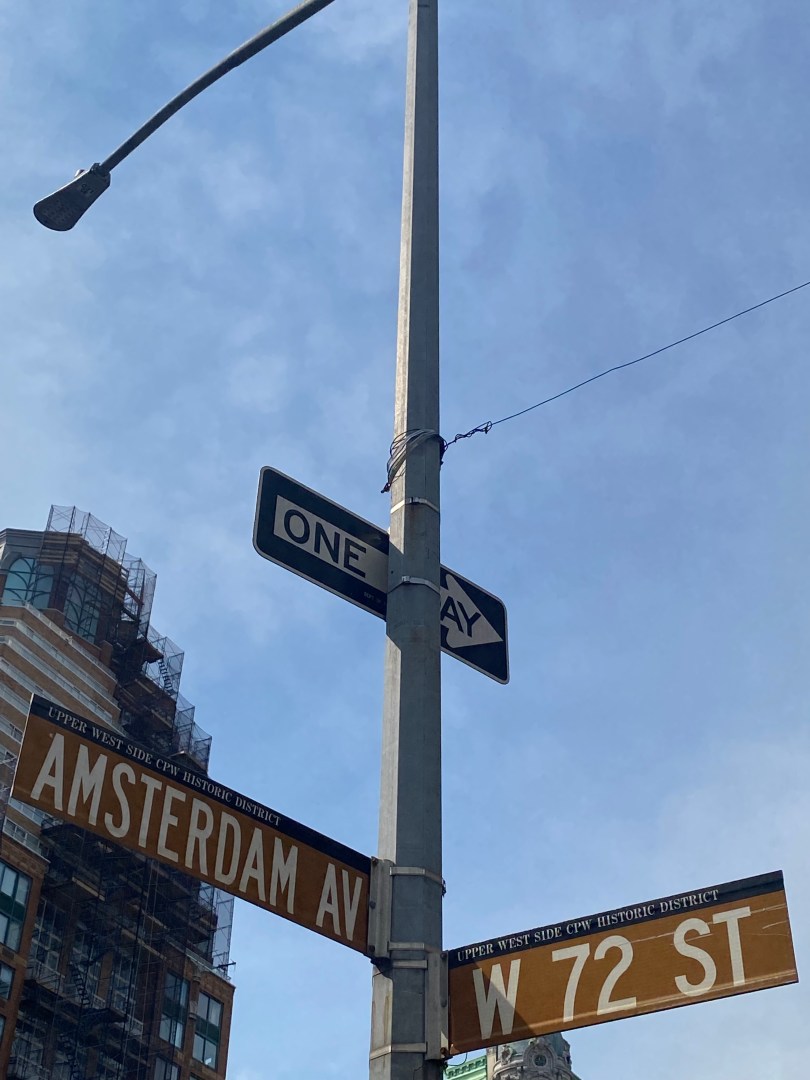
  The Upper West Side is one of New York City’s most well known and vibrant neighborhoods. This section of Manhattan is home to major destinations such as the American Museum of Natural History, the Beacon Theatre, and a roughly half of Central Park. In addition, the neighborhood has a plethora of restaurants, cultural institutions and other places that cater to New Yorkers and tourists alike. The UWS is also among the most densely populated residential neighborhoods in NYC with a density of 76,600 people per square mile and a population of about 227,000. For reference, the UWS has a higher population than cities like Baton Rouge, Birmingham, and Providence. 

Street signs at intersection of Amsterdam Ave/W 72nd St
Read More »

New York State Has Historic Plan To Increase Pool Access in NYC. How Will People Get There?

By Joseph Morales

    It’s mid-June, and we are just about a week and a half from public pools opening in New York City on June 27th. Pools tend to be a summer hotspot for New Yorkers, as 1.7 million people visited the city’s public pools in 2018. With it being the day after school ends for NYC students, opening day is set to be a major splash.

Read More »

NYC Is Looking To Improve Major Southern Queens Thoroughfare for Buses and Pedestrians

By Joseph Morales

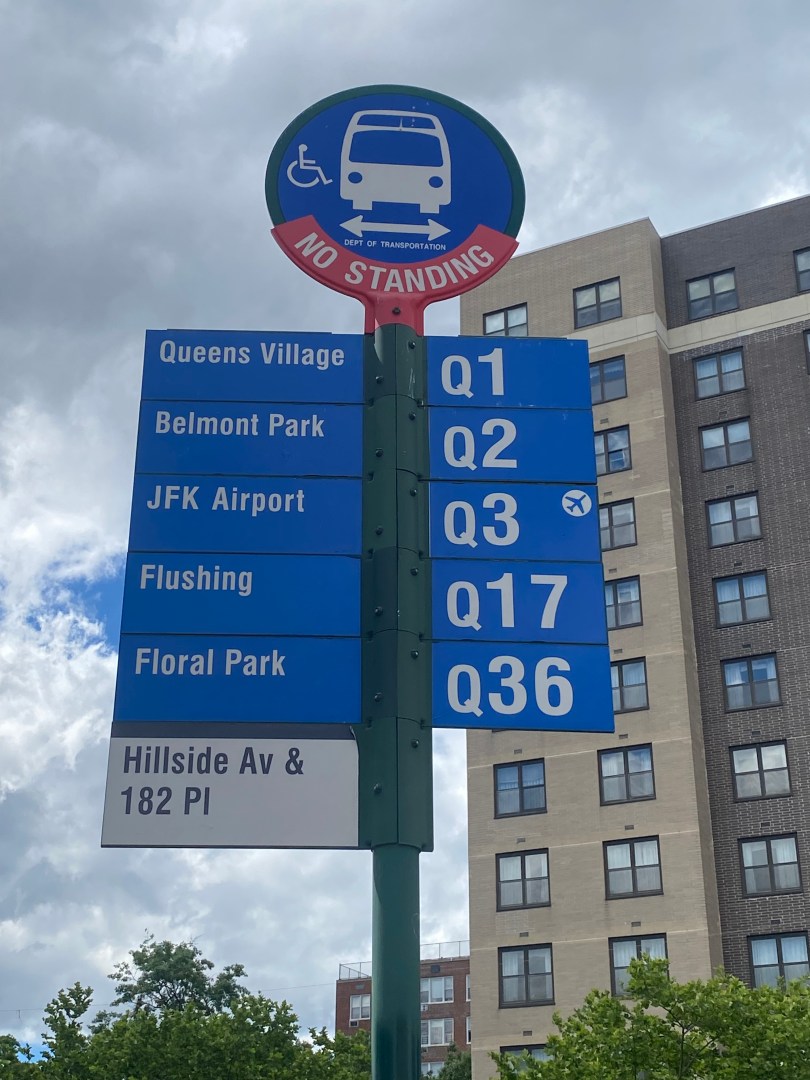
 Hillside Avenue travels from east to west is among the busiest streets in Southern Queens. It’s western terminus is at Myrtle Ave, which provides access to Brooklyn and some if its busiest neighborhoods. From there, Hillside Ave travels east into Nassau County, where it connects to the Jericho Turnpike in Westbury. In Queens, a whopping 21 combined MTA and NICE bus routes run on the corridor, serving 194,000 riders daily. NICE is Nassau County’s public bus system. The ridership number for Hillside Ave buses is higher than that of the G Train, which served 70,453 riders in 2023.

Read More »

Should NYC Allow Parents To Send Kids To Schools Near Their Workplace? It Can Do More Than Improve Commutes

By Joseph Morales

There are about 915,000 students in NYC public schools. According to data from the State Education Department, about 45% of these students are in elementary school not including Pre-K and 3K students. Most of the time, students attend elementary school within walking distance of their home. Based on data from NYU, the average NYC kindergarten student lives only 10 minutes away from their school by foot or mass transit. 

Read More »

Major Improvements Coming to A and C Trains in Brooklyn

By Joseph Morales

  The Fulton Line(A,C) is a critical subway line that runs through the heart of Brooklyn. One of only two east-west lines in the borough, the Fulton Line runs across Fulton St in Brooklyn from Jay St-MetroTech to Euclid Ave before entering Queens and traveling to the Rockaways. In Brooklyn, the line connects several of the borough’s most densely populated neighborhoods, such as East New York, Bedford-Stuyvesant, and Downtown Brooklyn. The line also provides riders with access to various parts of Manhattan and Queens. In addition, riders can make connections to many other subway and bus routes. This includes some of Brooklyn’s busier bus routes, such as the B44-SBS(Bedford/Nostrand Ave), B46-SBS(Utica Ave), and the B60(Rockaway Ave).

Entrance to Nostrand Ave(A,C) station in Bed-Stuy, Brooklyn.
Signage directing riders to trains at Nostrand Av(A,C) station.
Read More »

Major Interstate Expansion Will Transform Travel Across Mid-Hudson Region

By Joseph Morales

Interstate 86 and Route 17 are major highways that connect the Mid-Hudson, Southern Tier and Western New York regions of New York State. Despite being continuous, the roadway has different designations in different areas. The entire roadway is designated as Route 17 with the exception for the western portion in Pennslyvania, which is entirely Interstate 86. However, in New York, Interstate 86 runs with Route 17 for most of the highway between Pennsylvania and Binghamton, with the exception being a roughly 40-mile segment between Waverly, NY, and Interstate 81 in Binghamton. East of Interstate 81, Route 17 runs alone and connects the Southern Tier to the Mid-Hudson region, which includes Sullivan, Orange, and Rockland Counties. Route 17 also serves as the main connection to NYC for parts of the Mid-Hudson Region and Northern New Jersey. Combined, they provide connections to major highways such as Interstate 81, Interstate 84, and Interstate 87(NYS Thruway), allowing for trips across the Northeast and the United States. 

Read More »

Several Manhattan Subway Stations Are Becoming Fully Accessible 

By Joseph Morales

Manhattan, the most transit-dependent borough in New York City, is a hub of activity. Its relentless gridlock makes the NYC Subway critical for the mobility of New Yorkers and tourists alike. According to data from the NYC Department of City Planning, 77% of Manhattanites and 54% of all NYC residents do not own a car, making the subway not just a more convenient option but a necessity for a significant portion of Manhattan and the city’s population. 

Read More »

Mass Transit Is Sparking Development on Staten Island’s North Shore

By Joseph Morales

Staten Island is the most car-centric and least densely populated borough in New York City. Despite this fact, the borough would be America’s 39th most populous city if it were its own municipality, ranking higher than cities like Miami, Cleveland, and Minneapolis. In addition, 17% of Staten Island households do not have access to a car, which is still significantly higher than the U.S rate of 8.3%. Nowhere is Staten Island’s urban feel more apparent than on the Island’s North Shore, with a car-free household rate of 29% and a population density similar to neighborhoods in Brooklyn and Queens. Mass transit options here include a robust bus network with local buses that could get you just about anywhere on the Island. There are also various express bus routes that connect almost every neighborhood to Manhattan. In addition to buses, some parts of the North Shore also have a train line known as the Staten Island Railway(SIR), that connects the south and west parts of the Island to St. George on the Island’s North and East Shore. Though not considered part of the subway system, the SIR runs with subway trains on a subway-like line with lower headways than NYC subway routes.

Read More »