By Joseph Morales
The NYC Subway System is one of the busiest and most sprawling metro systems in the entire world. Data from 2023 shows that the subway served about 3.6 million people daily across 472 subway stations. This is despite hybrid/remote work trends along with crime concerns leading to limited subway ridership over the past few years. For reference, the subway had an average daily ridership of 5.5 million in 2019. All of these numbers represent people going to work, school, or other destinations of importance. The system’s reach has also enabled the car-free lifestyles that millions of New Yorkers are accustomed to. For generations, rapid transit has been a catalyst for growth, opportunity and prosperity in America’s largest city.
In addition, the NYC Subway is also one of the oldest rapid transit systems on the planet and is the oldest heavy rail system in the United States. Boston’s Tremont St Subway is technically the oldest subway line in the country but is also a light rail line that does not match NYC Subway speeds. The NYC Subway’s age has led to it having a rich history and becoming a quintessential symbol of life in the city.
Signs of the subway system’s old age could be found throughout the system. Many of the subway’s core features such as the colorful station mosaics are reminiscent of various eras through which the subway has served riders.
However, there is one place in which the subway system’s age shows and not in a positive way. That place is the fixed block signal system that includes equipment that is up to 80 years old. This antiquated system is the root of a significant portion of subway delays and has many other constraints that limit its usefulness. One of the main problems is that the fixed block system is extremely complex and involves a plethora of wayside infrastructure. These characteristics make the equipment harder and more expensive to maintain. On top of that, the signal system does not allow the MTA to know where trains are or how fast they are going. Fixed block signaling works by separating the trains into blocks and not allowing them to enter buffer or red blocks. This means that the MTA cannot run additional service when needed, as trains have to be further apart for safety reasons.
All of those facts explain why the MTA has moved to implement Communications-Based Train Control(CBTC) on various subway lines. CBTC relies on a moving block system where the control of trains is centralized through wireless communications. Unlike fixed block signaling, CBTC allows the MTA to know the exact location and speed of trains. This allows them to run more service since trains can run closer together. Trains can also run more reliably simply because CBTC’s simpler layout means that there are fewer signal issues that can arise. These benefits are already realized on both the 7 and L trains, where on-time performance is usually at or above 90%, according to MTA figures. The moving block nature of CBTC is also why you might see trains come extremely frequently on such a regular basis along both lines.
Now, the MTA is looking to replicate these benefits across more lines than it ever has before. As part of the agency’s 2025-29 Capital Plan, CBTC installation projects are proposed on three subway lines across four boroughs. The inclusion of all three projects in the next capital plan would be the most CBTC projects in any capital plan in MTA history. This is in addition to the four CBTC projects already under construction in the city. The new lines set for CBTC installation include the Astoria/Broadway Line (N,Q,R,W), the Nassau St Line (J,Z) and the Rockaway/Liberty Lines (A,S). While the core aspects of the projects will be the same, the CBTC work will also provide unique benefits to riders along each line.
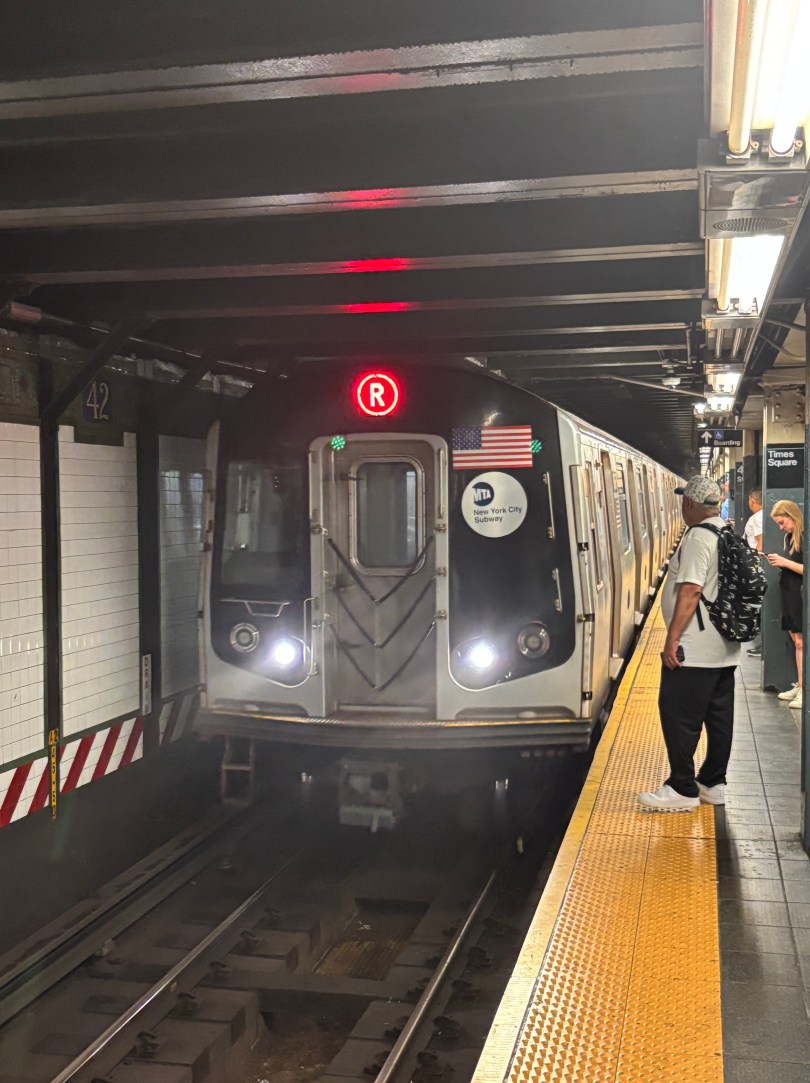
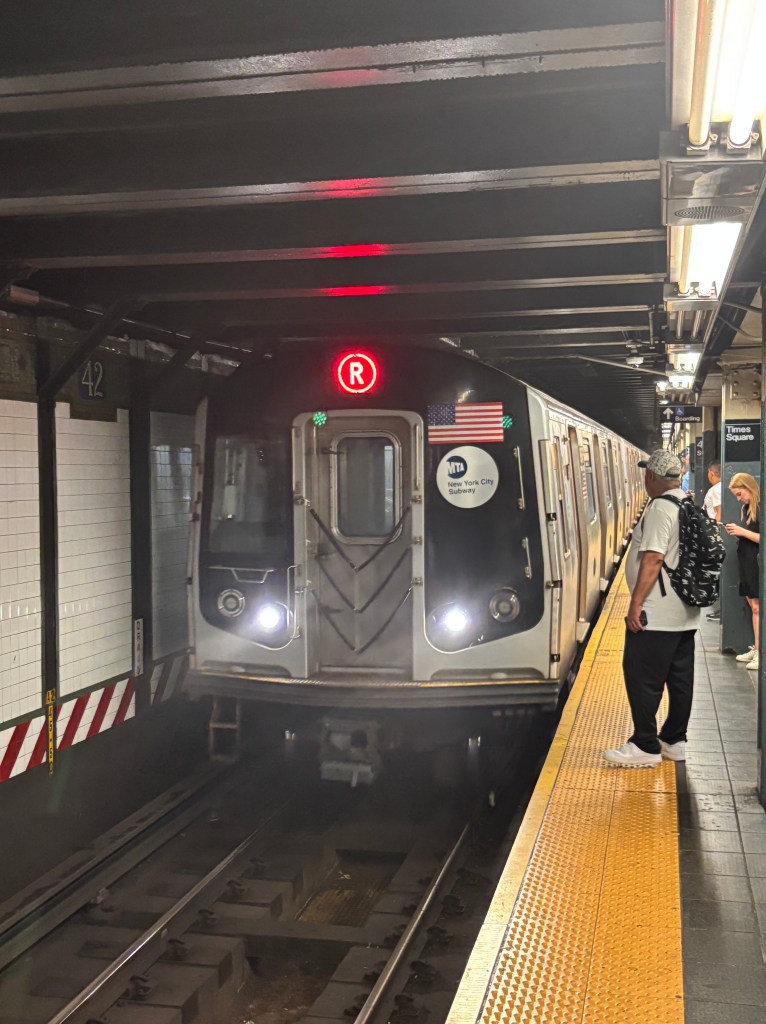
For the Broadway Line, the addition of CBTC will play a huge role in helping to reduce subway crowding in Manhattan’s core. This is critical since the line serves Broadway below Times Square and includes major destinations such as Union Square, SoHo, the Financial District and so much more. The line stands to be crowded year round at all times of the day, which means it can greatly benefit from the increased frequencies that CBTC will provide. Added flexibility will also come in handy during the special events that the line directly serves such as the New Year’s Ball Drop, Macy’s Thanksgiving Day Parade and the Macy’s Fourth of July Fireworks. CBTC will also improve reliability along the R Train route, which is notorious for being one of the least reliable routes in the entire subway system.
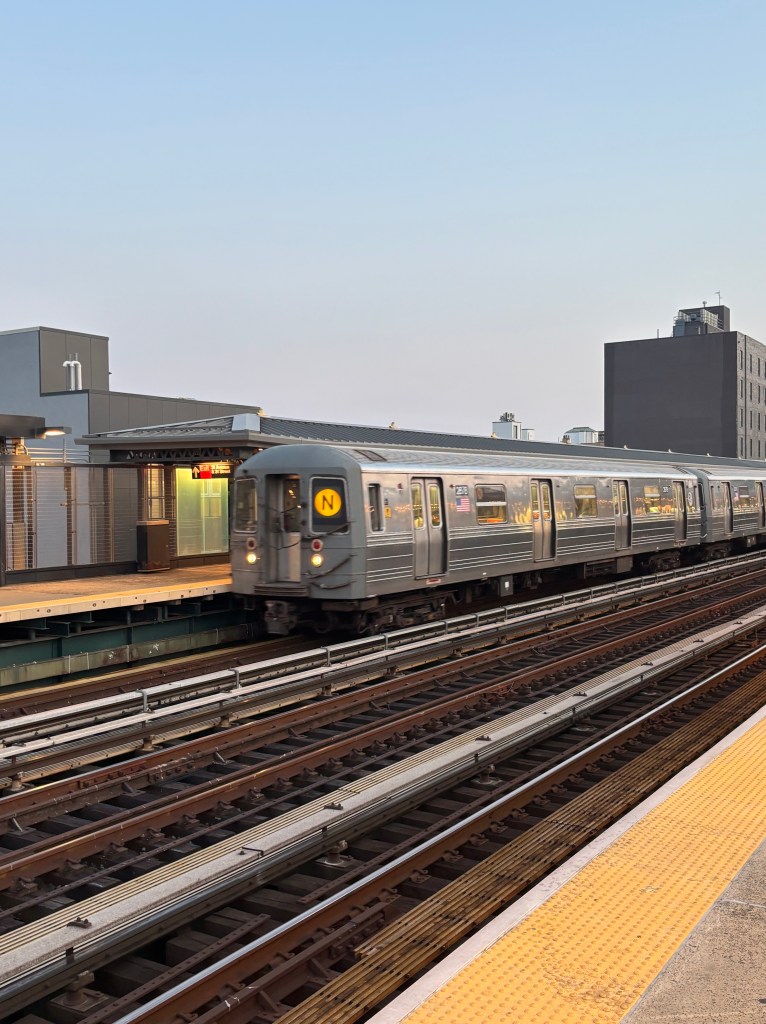
As for the Astoria Line, CBTC will enable service flexibility for a line where there has been significant population growth over the past decade. Anyone who has taken a peek outside the window on an Astoria Line train has seen the score of new apartment buildings that all feature sleek and one of a kind architecture. The intense rate of development is likely in large part due to Astoria’s proximity to Midtown Manhattan and the neighborhood’s increasing popularity. With the increasing rate of residences, CBTC will enable the MTA to run trains more frequently if ridership calls for it. Trains being able to run closer together may also allow them to move faster when they leave the Queensboro Plaza station in Long Island City, which is often a slow spot. Overall, Astoria Line riders will be able to enjoy faster, more convenient and less crowded commutes because of CBTC.
This will not be the first time CBTC helped a subway line to support the growth of a major up and coming neighborhood. In the 2010s, Williamsburg, Brooklyn absolutely boomed whilst CBTC helped L Trains to run more frequently and reliably. The result was more residents moving in and lauding how quickly they could commute to jobs in Manhattan. A 2023 study from Metro Manhattan Office Space found that Williamsburg had the fastest average commutes in the city at 25 minutes. That was 10 less minutes than the second ranked neighborhood in Brooklyn. With how successful CBTC is, there is almost no question that Astoria will reap similar benefits once a CBTC project is complete on the Astoria Line.
CBTC along the Rockaway/Liberty Line will be a boon for riders for similar reasons as the Astoria Line. Like Astoria, the Rockaways are also growing as the Peninsula saw its population grow by 8% from 2010 to 2020. This was the fourth highest rate amongst a group of 14 Queens neighborhoods evaluated by the NYS comptroller in 2022. It is also worth noting that residential growth is not the only factor that has a good chance to significantly drive ridership growth on the Rockaway Line. JFK Airport and the Rockaway Beaches are two major regional destinations that are served by the Rockaway/Liberty Lines. As the city grows, travel demand to these two locations will almost certainly grow along with ridership on their corresponding subway lines. Outside of increased frequencies, riders will greatly benefit from more reliable service given how Rockaway Line stations are further from Manhattan than any other subway stations in the system. Another fact worth noting is that CBTC will replace the Rockaway Line’s 80 year old signals that are among the oldest in the entire subway system. Once construction is over, riders will have a subway line that will make commuting easier and be able to support any of the line’s potential needs for years to come.
Another subway line getting CBTC as part of the 2025-29 Capital Plan is the Nassau St Line (J,Z) in Manhattan. While the line is short, CBTC will work to increase reliability along the corridor which will in turn improve reliability along the entire J and Z routes. This is critical as the MTA considers the Nassau St Line “one of the most poorly performing lines in the system.” The Nassau St Line connects Brooklyn to Lower Manhattan and the Financial District, along with a plethora of other subway lines. Hence, a disruption to service along this line could hamper regionwide mobility for the riders who use the line to get around on a daily basis. Thankfully, CBTC will be able to rectify signal related issues along the line and keep this connection strong for straphangers.
The CBTC projects the MTA has planned for its current capital plan will undoubtedly lead to dramatic subway improvements for millions of riders. Not only will CBTC be added to subway lines at a record pace, but the upcoming projects should get done cheaper and possibly even faster than previous projects. This is because of several project delivery improvements that the MTA said it will make as a result of lessons learned from current or recent projects. These improvements were announced at the MTA Capital Program Committee Meeting last month.
One of the most significant changes to the work is that the MTA will no longer build a traditional signaling system in addition to the CBTC. Traditional systems were built as backup because the MTA was skeptical as to whether or not CBTC can manage trains in New York’s complex system. Now, following years of CBTC success, the MTA has decided it could move to build just the CBTC system with trust that it will work effectively. The change was already made on a project to install CBTC on the Crosstown Line (G).
In addition, the MTA is now making CBTC systems interoperable so that equipment from any supplier can be used on CBTC enabled tracks. This is especially important so the MTA can utilize suppliers who provide equipment at the lowest prices. Having interoperable systems will also streamline construction processes as the agency will not have to work out whether a particular supplier’s equipment can function smoothly in a specific area.
These two changes have played a major role in improving how the MTA does CBTC work. On the Crosstown Line project, costs are at $25M per mile compared to an average of $48M per mile for other CBTC projects. Work involving CBTC is also getting significantly faster across the subway system. MTA data shows that CBTC work is on pace to progress during the years 2020-2029 at 4 times the rate it did from 2010-2019. It is clear that the MTA’s new approaches to CBTC are paying off and resulting in projects being done faster and for less. This is bound to make riders happy given just how dramatically CBTC is known to improve subway service.
CBTC is by far one of the most revolutionary technologies in the history of the NYC Subway System. It is truly one of the only things that can singlehandedly bring massive reliability and frequency upgrades to subway lines. The fact that the MTA has now found ways to deliver projects in shorter time spans at significantly lower costs will allow CBTC to make its impact across the city faster. This technology will undoubtedly transform mobility and connectivity in a historic manner throughout New York City. The best is yet to come, and New Yorkers are bound to be delighted once CBTC comes to their local subway line.
Works Cited
“The Best — And Worst — Commute Times in New York City.” Metro Manhattan Office Space, 11 January 2023, https://www.metro-manhattan.com/blog/which-neighborhoods-have-the-best-and-worst-commute-times-in-new-york-city/. Accessed 10 August 2025.
DiNapoli, Thomas P., and Rahul Jain. “An Economic and Demographic Snapshot of The Rockaways.” Office of the New York State Comptroller, 3 September 2022, https://www.osc.ny.gov/files/reports/osdc/pdf/report-7-2023.pdf. Accessed 10 August 2025.
HISTORY.com Editors. “New York City subway opens | October 27, 1904 | HISTORY.” HISTORY, 28 May 2025, https://www.history.com/this-day-in-history/october-27/new-york-city-subway-opens. Accessed 10 August 2025.
Massachusetts Bay Transportation Authority. “Beginner’s Guide to the Subway.” MBTA, https://www.mbta.com/guides/subway-guide. Accessed 10 August 2025.
Metropolitan Transportation Authority. “CBTC: Upgrading signal technology.” MTA, https://www.mta.info/project/cbtc-signal-upgrades. Accessed 10 August 2025.
Metropolitan Transportation Authority. “Subway and bus ridership for 2019.” MTA, 7 August 2024, https://www.mta.info/agency/new-york-city-transit/subway-bus-ridership-2019. Accessed 10 August 2025.
Metropolitan Transportation Authority. “Subway and bus ridership for 2023.” MTA, https://www.mta.info/agency/new-york-city-transit/subway-bus-ridership-2023. Accessed 10 August 2025.
Metropolitan Transportation Authority. “2025-2029 Capital Plan-The Future Rides With Us.” MTA, https://www.mta.info/document/174186. Accessed 10 August 2025.
“MTA Board – Capital Program Committee Meeting – 7/28/2025.” YouTube, 28 July 2025, https://www.youtube.com/watch?v=21tf_iCmk0A&t=2587s. Accessed 10 August 2025.
mtainfo. “CBTC: Communications-Based Train Control.” YouTube, 20 July 2015, https://www.youtube.com/watch?v=Mjx3S3UjmnA. Accessed 10 August 2025.
 Transit Central