By Joseph Morales
The Long Island Rail Road(LIRR) is a vital mode of transportation for thousands of Queens residents. This is especially true in Southeastern Queens, where many communities are miles from a subway station. In addition, the railroad is the only means that many have to get to Long Island and major reverse commuting destinations such as Mineola and Rockville Centre. Many LI residents also rely on the railroad to get to Queens given the number of areas such as Long Island City and Forest Hills that are hard to drive to. According to data from the NYC Department of City Planning, 37% of Queens residents do not have access to a car. This demonstrates just how critical the LIRR is to the mobility of residents.
Unlike the NYC Subway System, most LIRR stations are fully accessible to people with mobility disabilities. Data from the MTA shows that over 90% of the LIRR is accessible as of June 2024. However, only about 63% of the stations(12/19) in Queens are fully accessible. It is extremely difficult to pin a reason for this disparity given how many elevators and ramps have been constructed in the LIRR system.
Nonetheless, the MTA is aiming to address the issue by making several Queens stations fully accessible in the coming years. Three of them, the St. Albans, Locust Manor and Laurelton stations are all in densely populated areas of Southeastern Queens far from the subway. Hollis, while not as far from the subway, still provides riders unique access to Manhattan’s East Side and destinations on the LIRR’s main line. Another station, Forest Hills, is located in one of Queens’ most historic business and cultural hubs.
The MTA is taking unique approaches to ensure that each station becomes accessible despite varying conditions from station to station. For the three Southeastern Queens stations, each station is similar in that enclosed elevator towers will be built given they are elevated stations. Locust Manor will get two while the other stations get one due to varying platform configurations. The elevators will all be located to the side of the platforms since the main entrances to stations are located in pedestrian tunnels underneath the tracks. ADA-compliant sidewalks are also being built from the street to the elevators near all of these stations. This means that the sidewalks may be expanded and will definitely have an even, crack-free surface. Outside of accessibility upgrades, both the Locust Manor and St. Albans stations will also receive help-point intercoms similar to those found at NYC Subway stations.

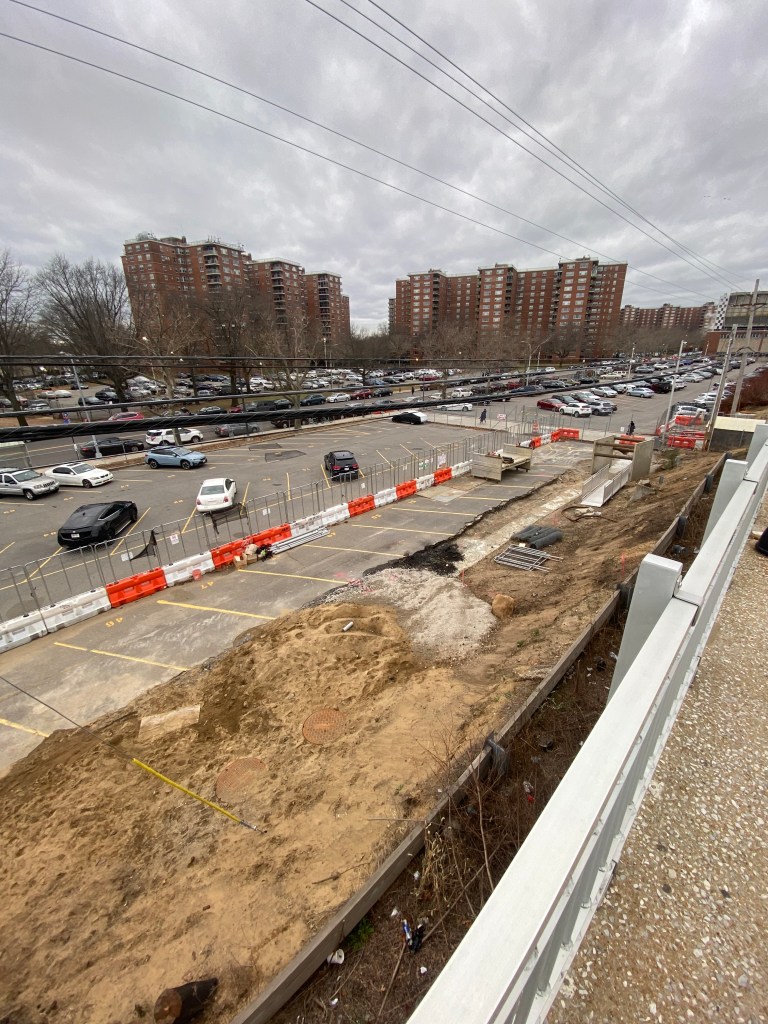
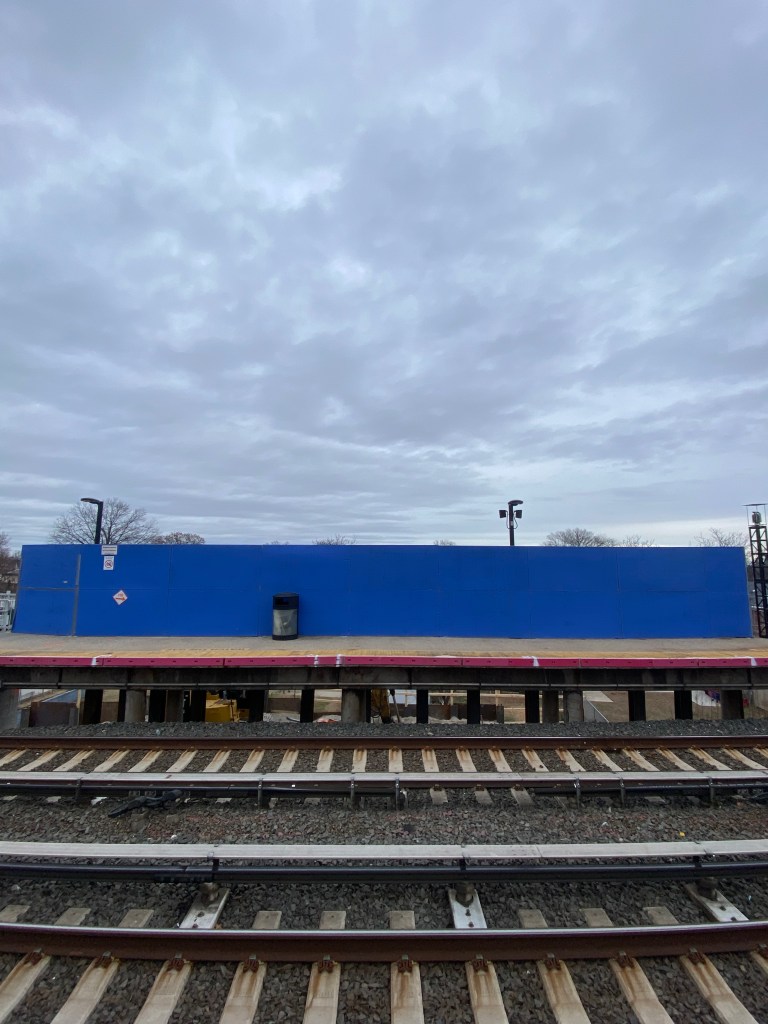
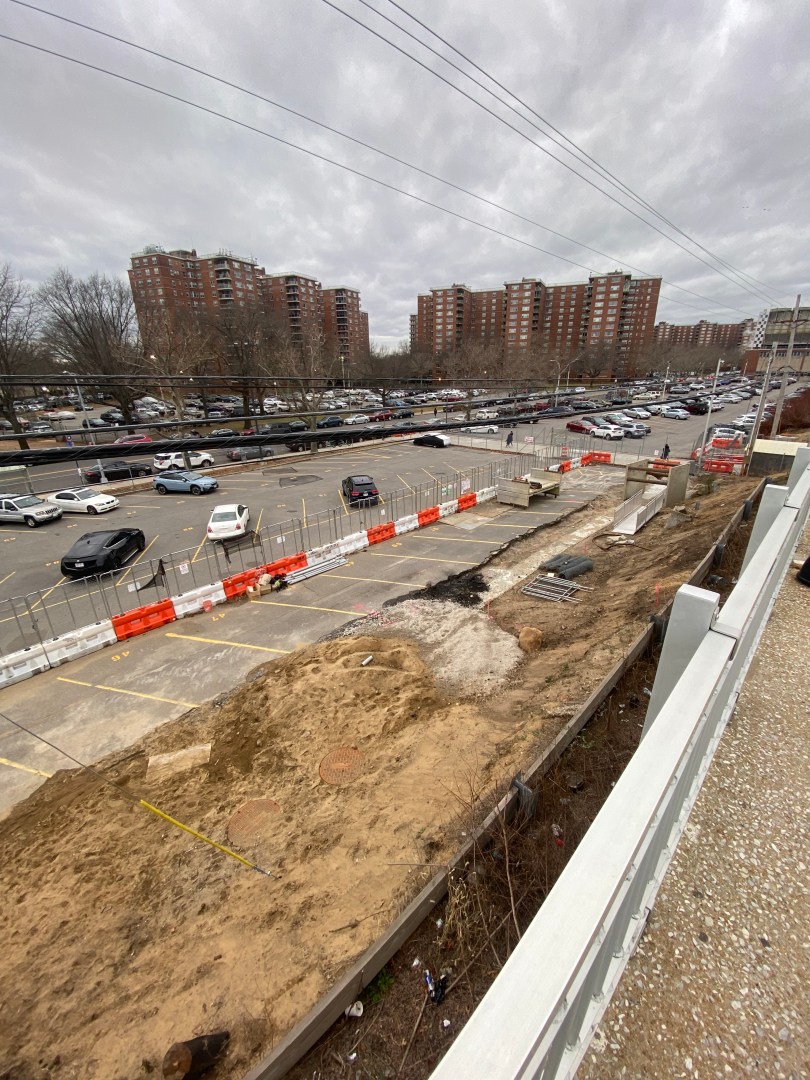
At St. Albans, ADA-parking will be added near the elevator to ensure those with disabilities can conveniently use the park-and-ride. This is critical as the station is a quick ride from more places than is accessible from the bus routes that serve it. The parking will prevent riders from having to rely on long bus rides, Access-A-Ride or other modes to get to the train.
As for the Forest Hills and Hollis stations, they are part of a separate contract and they too will have a distinct path towards accessibility.
The Forest Hills station is unique because the station already has two accessible entrances which is unlike most stations set for upgrades. However, the entrances are too steep to meet ADA-standards. This is why they are being replaced by two ADA-compliant ramps with automatic snow and ice melt systems(ASIMS). The MTA also will work to preserve the station’s historic brick and stucco architecture. The agency needed to get a certification from the State Historic Preservation Office to do work because of the building’s historic significance.
At Hollis, the upgrades will go a long way to improve access for the disabled, but also for all riders. The station is set for a full renovation that will bring accessibility and other important upgrades to passengers. As of now, the station only has two staircases in a pedestrian tunnel leading to the platforms. The renovation will add an elevator to the south side and a ramp to the northside. New staircases will also be added leading to new entry points on Hollis Ave. The staircases will place more residents closer to stations and allow for more convenient transfers to and from the Q2 and Q3 buses. Also, the platforms will be extended to increase capacity and allow for all eight cars of trains to exchange passengers. A new pedestrian egress walkway to the new platforms will also be added.
All of the station accessibility work will significantly enhance the mobility of those in several Queens neighborhoods once complete. Besides accessibility enhancements, another common feature of the projects is that they are all being performed through design-build contracts. A design-build contract is a contract where a single private team of builders and designers are chosen to complete a project. This is different from the traditional design-bid-build method where agencies contract with separate companies for a project. Design-build helps agencies like the MTA by consolidating responsibility and making it easier to solve any issues that may arise. As a result, the MTA was able to save $244 million and 4 months on projects in 2022 through the use of design-build.
These LIRR stations becoming accessible could transform mobility for those who need them to access the stations. In some stations, the improvements are being bundled with other enhancements such as the renovation at Hollis LIRR and the new help point intercoms at three other stations. Hopefully, this project and others can continue to improve transit access for riders throughout the New York Region.
Works Cited
Long Island Rail Road. “MTA Announces Amityville and Lindenhurst Stations Become Second and Third LIRR Stations to Be Made Fully Accessible This Year.” MTA, 28 June 2024, https://new.mta.info/press-release/mta-announces-amityville-and-lindenhurst-stations-become-second-and-third-lirr#:~:text=%E2%80%9CWe%20need%20this%20system%20to,on%20time%20and%20under%20budget.%E2%80%9D. Accessed 20 December 2024.
Long Island Rail Road. “MTA to Add Accessibility Upgrades to Three Long Island Rail Road Stations in Queens.” MTA, 28 March 2022, https://new.mta.info/press-release/mta-add-accessibility-upgrades-three-long-island-rail-road-stations-queens. Accessed 20 December 2024.
Metropolitan Transportation Authority. “MTA Accessible Stations.” MTA, 18 December 2024, https://new.mta.info/accessibility/stations. Accessed 20 December 2024.
MTA Live. “MTA Joint Committee Meeting 1/30/2023.” YouTube, 30 January 2023, https://www.youtube.com/watch?v=nK0EBkwC1_o&t=8047s. Accessed 20 December 2024.
New York City Department of City Planning. “Car Ownership in NYC.” Tableau, 24 November 2022, https://public.tableau.com/app/profile/dcptransportation/viz/ACSProfiles/Dashboard1. Accessed 20 December 2024.
New York City Department of Transportation. “NYC DOT – Design-Build.” NYC.gov, 2024, https://www.nyc.gov/html/dot/html/about/design-build.shtml. Accessed 20 December 2024.
“Three LIRR Stations Set for ADA Compliance.” Forte Construction Corp, 3 June 2024, https://www.fortecc.com/post/three-lirr-stations-set-for-ada-compliance. Accessed 20 December 2024.
 Transit Central