By Joseph Morales
The Concourse Line(B,D) is a vital subway line running along the Grand Concourse in The Bronx. The line links many of the borough’s most densely populated communities together, such as Fordham, Mt. Eden, and parts of the South Bronx. Major Bronx destinations along the line include Montefiore Medical Center, Fordham University and Yankee Stadium. In addition, it connects these neighborhoods to Manhattan and Brooklyn along with other lines in the NYC Subway system. According to data from the NYC Department of City Planning, only 25-36% of households in the community districts along the line have access to a vehicle. Hence, the subway line is one of the primary means of travel for many residents. Based on data from the MTA, the Concourse line had over 137,000 daily riders in 2022.
Like most other subway lines, the Concourse Line has been serving passengers for a very long time. More specifically, The Concourse Line has ran underneath the Grand Concourse for more than 90 years, having opened on July 1st, 1933. Thus, much of the infrastructure the line uses is old and is in dire need of repair and/or replacement.
Hence, the MTA has and is continuing to work on several projects to address the line’s infrastructure issues so it can continue to be reliable for many years to come. This is why there has been no subway service for many recent weekends along the line. While many riders have been frustrated taking buses, walking further to the 4 train, and/or making an extra transfer to complete their trips, the MTA’s work will prevent much greater headaches for riders in the future.
Bedford Park Blvd(B,D) station.
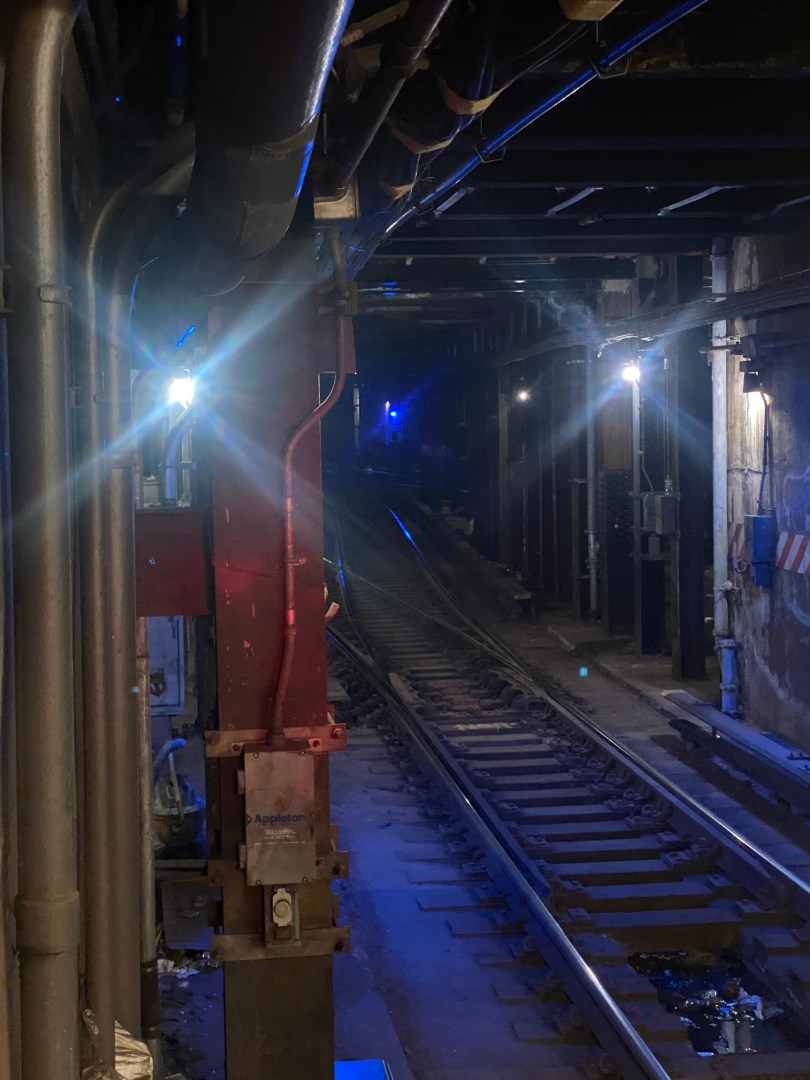
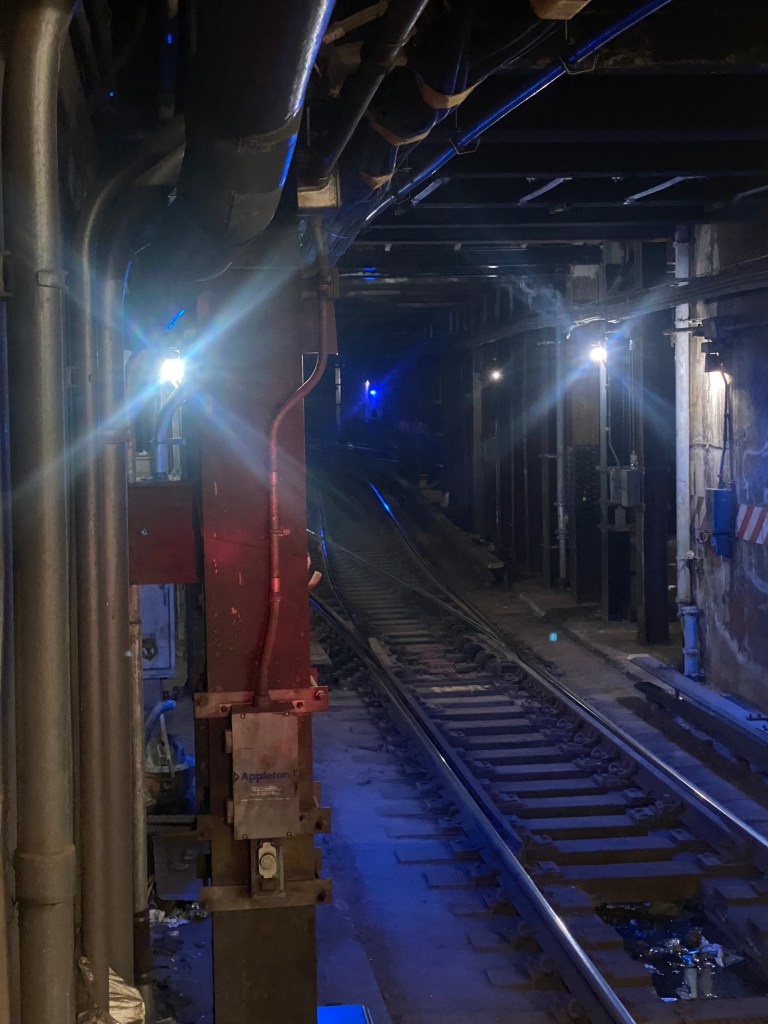
Despite there not being service changes the past two weeks, the MTA is working on several components of infrastructure to bring the Concourse Line to a state of good repair. One important thing they are doing is repairing “high-priority defects in structural steel and concrete” in areas between 161st St-Yankee Stadium and Bedford Park Blvd. Structural steel and concrete is critical to the operations of the subway as the steel and concrete are ultimately what supports the structure of the subway tunnels. Steel and concrete are critical for the subway system as their strength and durability allow them to withstand the loads caused by subway operations. However, not repairing steel when it does need maintenance can have major adverse consequences, such as corrosion, structural fatigue, and deformation. Damaged concrete can also lead to serious issues such as water infiltration and a compromised structure. Hence, completing structural repairs when necessary is essential to the safe and reliable operations of the Concourse Line.
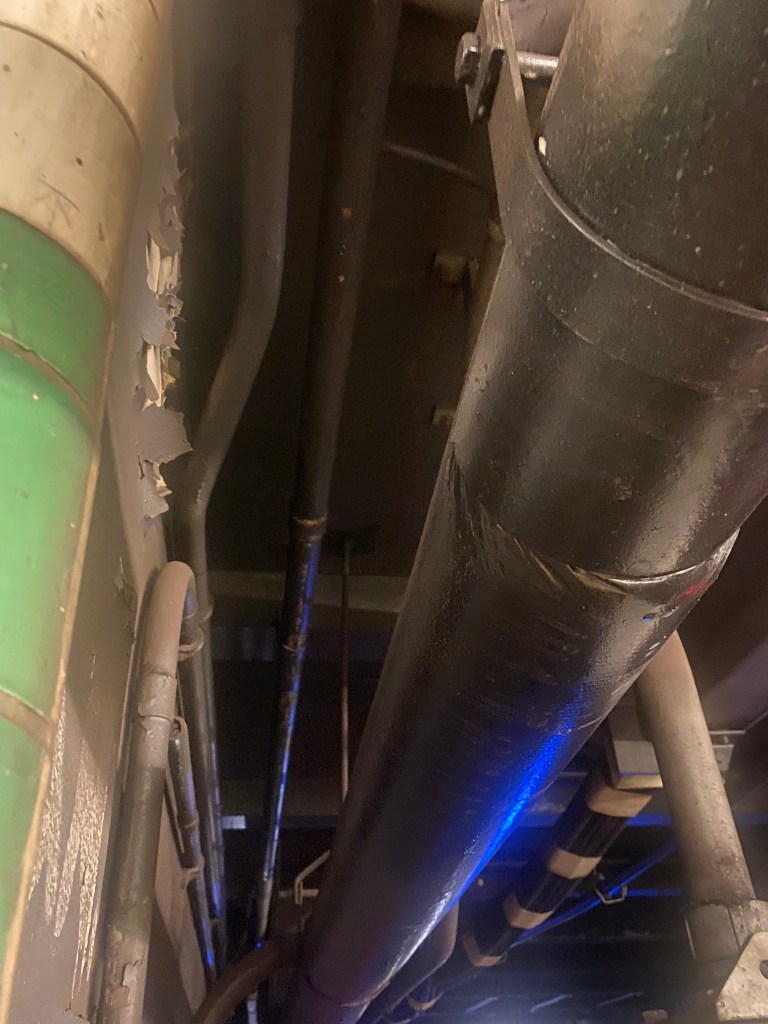
In addition to structural improvements, the MTA is also working on replacing vents outside of the subway itself from 161st to 192nd St. Vents are crucial to subway operations for several reasons. In subways, vents help to provide fresh air to the system, ensuring the comfort of riders. Additionally, they can help to move smoke out of subway tunnels in the event of a fire. While it’s hard to find info on subway systems, vents not being repaired inside homes can lead to a lack of airflow, which causes inconsistent temperatures and increased energy costs. Given how hot subway platforms get in the summer and how much the MTA already spends to operate trains, the transit agency likely does not want to take that risk. Also, the MTA is likely to find a way to make the new ventilation systems environmentally friendly due to its stated commitments to improving sustainability with ventilation systems in its buildings along with the transit system as a whole.
Another major aspect of infrastructure along the Concourse Line that is receiving repairs are drains and drain pipes. These are essential to the lines’ operation largely because they catch and remove water from the line, preventing rain from having a substantially adverse impact on operations. In recent years, weather events such as Hurricane Sandy and the remnants of Hurricane Ida in 2021 that caused flooding in the subway system. After Hurricane Sandy in 2012, the Canarsie Line(L Train) was flooded so badly that the MTA almost shut down the line for 15 months until a miraculous feat of engineering gave them recourse. Hence, quality drainage systems are essential to keep the Concourse Line in a state of good repair.
The projects taking place on the Concourse Line are in various stages of completion. The project to repair line structure components was scheduled to be completed in March but is only 62% complete, according to the MTA Capital Plan dashboard. As for the vent repairs, they are even further behind schedule with 38% of the project completed despite it too having been set for completion in March. There could be many reasons behind the delays from a myriad of unexpected engineering challenges to limited work hours due to the need for trains to provide subway service. However, the MTA is striving to finish the projects so that it can avoid unplanned service disruptions in the future. Hopefully, the improvements will mean a better and more sustainable Concourse Line for years to come.
Works Cited
Albert, Nick. “Why Damaged Air Ducts Need to Be Replaced Quickly.” Albert Air Inc., 23 June 2021, https://www.albertair.com/blog/hvac/why-damaged-air-ducts-need-to-be-replaced-quickly/. Accessed 12 May 2024.
CBS New York. “Plans For L Train Shutdown Scrapped.” YouTube, 4 January 2019, https://www.youtube.com/watch?v=3cW_oOLwFVc. Accessed 12 May 2024.
“How We Use Steel in Transport.” Texas Iron & Metal, 2024, https://www.texasironandmetal.com/steel-in-transport/. Accessed 12 May 2024.
KS Concrete and Construction. “Concrete Repair: Unveiling the Consequences of Neglected Concrete Damage.” concretecontractorlistowelon, https://concretecontractorlistowelon.com/concrete-repair-unveiling-the-consequences-of-neglected-concrete-damage/. Accessed 12 May 2024.
Metropolitan Transportation Authority. “Budget Transparency.” MTA, http://web.mta.info/budgetdashboard/Budget_Transparencyd.html. Accessed 13 May 2024.
Metropolitan Transportation Authority. “Climate Resilience Roadmap.” MTA, April 2024, https://new.mta.info/document/136871. Accessed 12 May 2024.
Metropolitan Transportation Authority. “Line Structure Component Repairs on the Concourse Line.” MTA, Q1 2024, http://web.mta.info/capitaldashboard/CPDPlan.html?PLN=8&AGY=a. Accessed 12 May 2024.
Metropolitan Transportation Authority. “New York City Transit and the environment.” MTA, https://new.mta.info/transparency/new-york-city-transit-and-the-environment. Accessed 12 May 2024.
Metropolitan Transportation Authority. “Vents Between Stations: East 161 Street to East 192 Street on the Concourse Line.” MTA, Q1 2024, http://web.mta.info/capitaldashboard/CPDPlan.html?PLN=8&AGY=a. Accessed 12 May 2024.
“Metro Ventilation Systems.” ILF Consulting Engineers, 2024, https://www.ilf.com/business-areas/transportation-urban-spaces/tunnels-caverns/tunnel-ventilation-systems/metro-ventilation-systems/. Accessed 12 May 2024.
Nagaraja, P.E., Mysore, et al. “Concrete in New York Transit Structures(From 1910 to the Present).” ResearchGate, September 1992, https://www.researchgate.net/publication/294850390_Concrete_in_New_York_transit_structures_from_1910_to_the_present. Accessed 12 May 2024.
New York City Department of City Planning. Tableau, 24 November 2022, https://public.tableau.com/app/profile/dcptransportation/viz/ACSProfiles/Dashboard1. Accessed 12 May 2024.
“nycsubway.org: IND Concourse Line.” NYCSubway.org, https://www.nycsubway.org/wiki/IND_Concourse_Line. Accessed 12 May 2024.
Surico, John. “This Is Why Hurricane Ida Flooded the NYC Subway.” Bloomberg, 2 September 2021, https://www.bloomberg.com/news/articles/2021-09-02/this-is-why-hurricane-ida-flooded-the-nyc-subway. Accessed 12 May 2024.
tombaker. “Structural Steel: The Essential Guide to Maintenance & Repair.” Buy a Beam, 23 May 2023, https://buyabeam.com/blogs/steel-beams/maintenance-and-repair/. Accessed 12 May 2024.
 Transit Central