By Joseph Morales
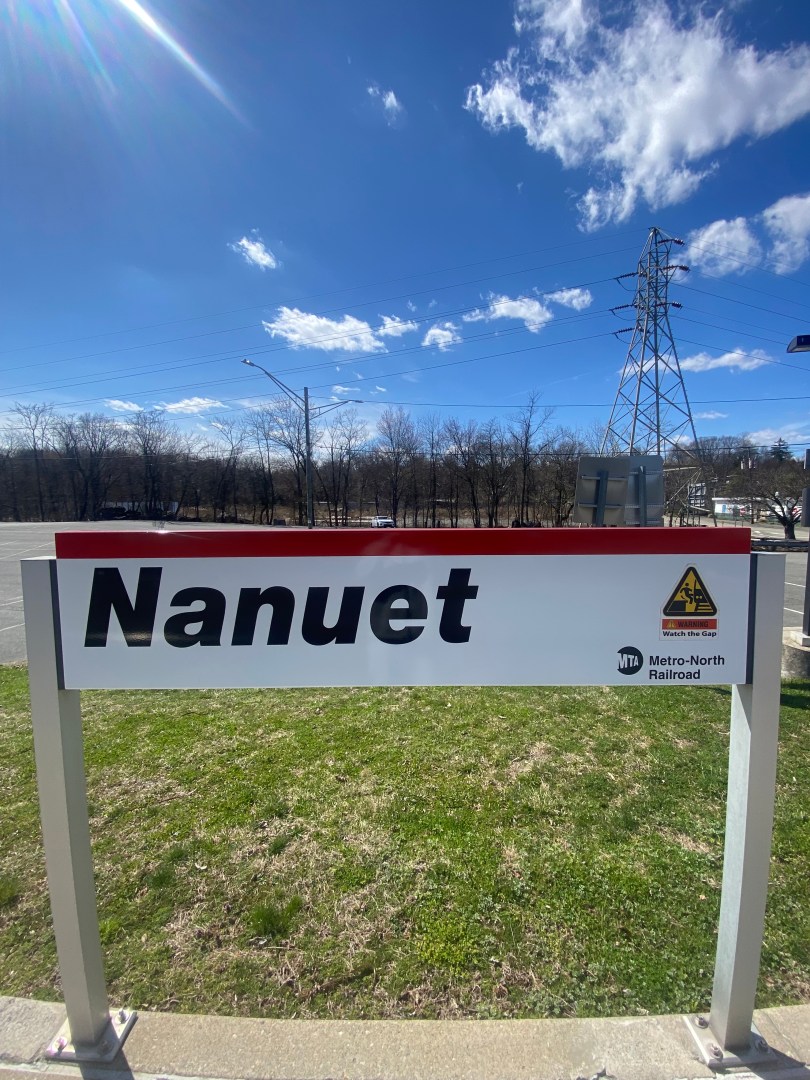
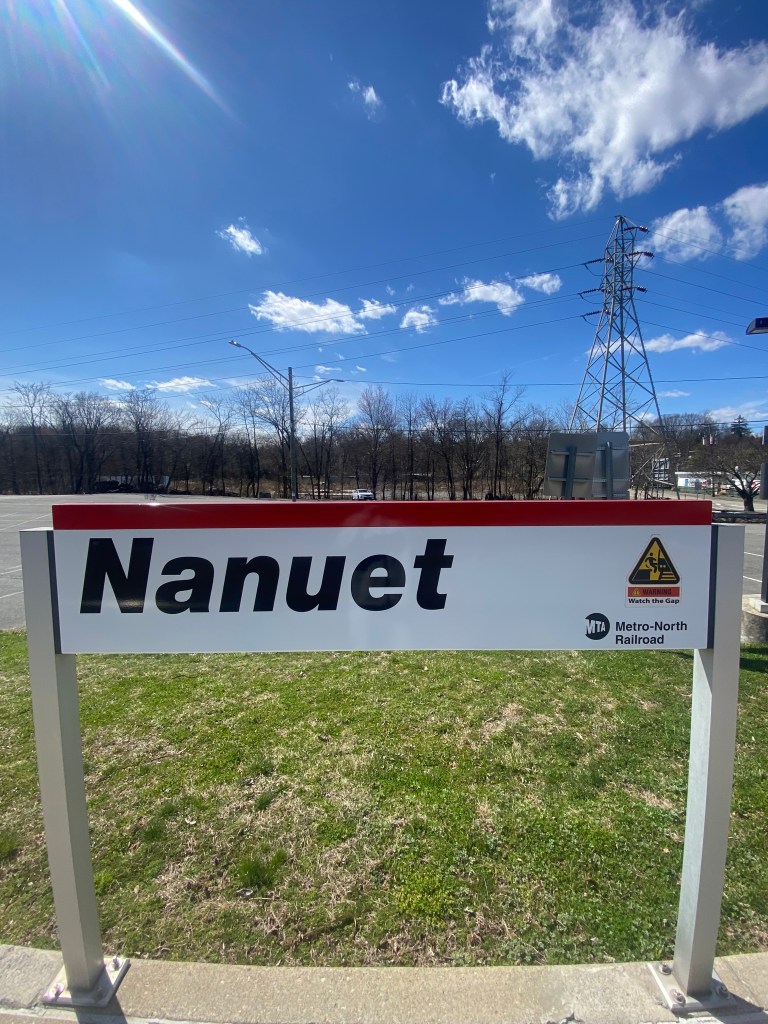
*Rail service in Rockland/Orange County is run by NJ Transit through a contract with the MTA Metro-North Railroad. Hence, the rail stations in both counties are Metro-North stations despite being served by NJ Transit.
Rockland and Orange Counties are two densely populated suburban counties on the west side of the Hudson River in New York State. Together, the two counties have a population of about 1.7 million residents. As these counties are all suburbs of NYC, many residents commute into the city for work. According to a report from the NYC Department of City Planning, 17% of Rockland County residents and 11% of Orange County residents commute into NYC. The salaries these workers earn in NYC are critical for the economies of their home counties. The same report states that more than a quarter of all wages in Rockland County come from jobs worked in NYC. In Orange County, the percent of wages earned in NYC is 17%.
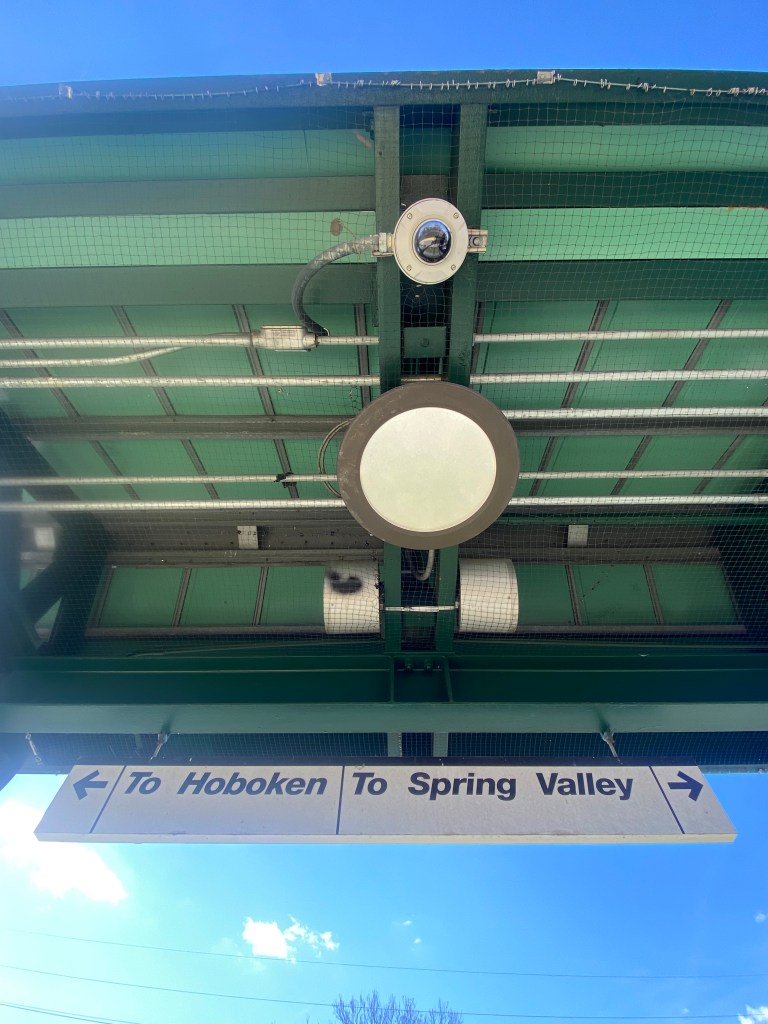
Unfortunately for these residents, transit options into the city are relatively scarce compared to the rest of the region. Rockland and Orange Counties have no direct commuter rail links to Manhattan. As a result, these rail commuters are forced to transfer to other trains at either Hoboken or Secaucus Junction. Given how infrequent trains are, this leads to commute times being substantially longer for residents of these counties than other NY suburbs. Additionally, commutes to Manhattan are especially tedious given the number of transfers required between commuter rail, subway, bus, and/or taxi modes to get to many destinations.
The only form of direct transit between Rockland and Orange Counties and Manhattan are private coach buses primarily run by CoachUSA. CoachUSA buses are often infrequent and, in many cases, only provide peak-directional trips during rush hours. Hence, CoachUSA is not an option for many who have non-conventional or varying work schedules. In addition, these buses make many stops sometimes even in multiple counties. Whether or not a bus is private or public, these buses are often slowed down by heavy congestion on the George Washington Bridge, Lincoln Tunnel, or Holland Tunnel. Many bus commuters whose buses use the GW Bridge often face long subway rides to get into Midtown or Lower Manhattan.
Due to the lack of convenient travel options, many residents opt to drive into Manhattan. In fact, Rockland and Orange County are home to the only areas of the NY region where more residents who commute into NYC do so by car than any other mode. This leads to tedious trips for many drivers to congestion especially at crossings into New York and on major highways such as the Garden State Pkwy.
This is a large part of why Rockland County has sued the MTA over its proposed congestion pricing plan. Some Orange County legislators have joined Sullivan County lawmakers in another suit. Congestion pricing is a plan to charge drivers who drive below 60th Street in Manhattan a $15 toll. The purpose is to raise money for mass transit improvements and reduce congestion in the busiest parts of Manhattan. In addition to lacking transit options, Rockland County argues that congestion pricing violates the Equal Protection Clause of both the NYS and U.S Constitutions by discriminating against drivers from outside of the CBD by having them by a toll as opposed to those driving within the CBD who would not pay. This is despite both groups contributing equally to congestion according to a Rockland County press release.
There are many arguments that could be made over the validity of the claims made in the lawsuits. However, it is clear that residents of Rockland and Orange Counties do not have the same mass transit options for getting into Manhattan as other residents of similar communities. Additionally, the mass transit that congestion pricing would fun is primarily subway and buses, are located out of the way for many of these residents, given how they do not have a rail link to Manhattan. Nevertheless, these residents would still be expected to pay for these improvements as they will only receive a $5 discount on the toll provided they use the Lincoln or Holland Tunnel. They would still wind up paying about $25 per round trip entering Manhattan.
While the dissent from Rockland County is understandable, congestion pricing is expected to do a lot to improve travel in New York City. Besides needed transit investments, congestion pricing is expected to dramatically reduce traffic which should lead to faster travel times and less carbon emissions in the Manhattan CBD.
So, how could the MTA and/or other agencies improve Rockland/Orange County-Manhattan transit to make travel easier and make the impact of congestion pricing more equitable? There are multiple potential solutions but actually implementing one may be harder than you think.
The first and most ideal solution is for direct rail links between Rockland/Orange Counties and Manhattan. Several Rockland County politicians have made this proposal, such as State Sen. Elijah Reichlin-Mendick and House Rep. Pat Ryan This would most likely be via extensions to both the Port Jervis and Pascack Valley Lines into Manhattan. However, these lines currently terminate at Hoboken due to there simply being no way for these trains to access NJ Transit’s tracks leading to Penn Station from their routes to Rockland and Orange Counties. The solution to this issue would be a rail loop that would make this connection near Secaucus Junction, where riders currently transfer to get on other trains to Penn Station. This loop has already been proposed as part of the massive Gateway Project. The Gateway Project is a plan to repair the existing tunnels between NYC and NJ that are in decrepit shape and increase rail capacity between the two states. In addition to the loop, the project would include new tracks between Newark and NYC, a new tunnel underneath the Hudson River and an expansion of Penn Station. Unfortunately, due to a myriad of delays, cost overruns, and the engineering challenges associated with such a project, the new tunnel and rehabilitation of the current one is not expected to be completed until at least 2038. A Penn Station expansion will also take years to finish. While smaller Gateway projects will likely be completed before then, the Bergen Loop will likely not be one of them as there needs to be more tunnel space between NY and NJ and platform space for more trains at Penn Station for a direct rail link to occur. Hence, this will be a major improvement likely at least 15 years down the line.
If a direct rail connection will take so long, how about short term improvements? Another option could be to enhance existing bus services. This could include simply offering more routes, from more places at more times. Due to lower population densities in parts of Rockland and Orange Counties, it may be hard to justify more buses making stops throughout suburban neighborhoods. Hence, bus companies might want to utilize existing park and rides which are located throughout these counties. Companies can also consider constructing new ones or sharing ones owned by the New York State Department of Transportation for its HudsonLink bus system. HudsonLink connects various parts of Rockland County with Westchester County on the east side of the Hudson River.
In addition to improving bus service to Manhattan, counties can take more actions to increase connections to these buses. As these buses often serve park and rides, drivers must often drive to the bus. This can lead to increased congestion on local roads along with additional travel costs for drivers in the form of gas and parking fees. Hence, Transit Orange and Transport of Rockland can consider increasing bus frequency along lines that also serve these park and rides. As many buses run at headways of every 30 min and even less frequently, these are often not viable options for those needing to connect to longer-distance buses to get to Manhattan.
Also, the counties can consider operating microtransit in areas with lower population density but close proximity to a Park & Ride. Microtransit works similarly to rideshare only with fixed stops and a fare the same as a typical public bus ride. Essentially, one makes a reservation and is placed on a small bus with other people going in the same direction. Many parts of America with similar population densities, such as Dallas/Fort Worth, Valdosta, Georgia, and parts of Washoe County, Nevada. In Washoe County, which includes Reno, transit ridership nearly tripled with the introduction of microtransit. Washoe County’s microtransit is successful in a county with similar car ownership rates than the Northwestern Suburbs and no CBD everyone is trying to get to. Hence, microtransit likely has even greater potential in the Northwestern Suburbs.
‘ Regardless of the quality of transportation, it will need to be affordable and competitive with the costs of driving. Right now, the cost of driving into Manhattan is competitive with mass transit, even with congestion pricing tolls taken into account. For instance, most bus trips from Rockland and Orange Counties cost between $20-30 round trip. Additionally, a study from the NYC Department of City Planning shows that 44% of car commuters in Manhattan had parking subsidized by their employer. Hence, there are likely many Rockland/Orange County residents for whom driving will continue to be less expensive than public transportation.
In addition, many residents simply cannot afford the higher costs of mass transit. According to U.S. Census data, 14.4% of residents in both Rockland and Orange Counties respectively live below the federal poverty line. Since the cost of living is higher in these countries than in most of the countries, the number of residents who struggle to make ends meet is likely higher.
Thus, county governments and the MTA can take numerous steps to help reduce the cost of transit for residents. One is the implementation of a fair fares program similar to the one that exists for subways and buses for NYC residents. This would provide residents below the poverty threshold for their municipality with half fares on commuter rails, local buses, private buses, and NYC Transit. For private buses, the customer would pay the company half of the fare, and their county’s government would cover the rest. This type of program could help these residents tremendously to afford mass transit and provide more people with better access to opportunities in Manhattan. Additionally, with one company running most of the private bus service, it would be much easier for Rockland and Orange counties to facilitate such a program.
Another idea could be for counties to subsidize the companies outright to reduce fares for all. Governments subsidize private companies all the time in order to lead to increased job creation and tax revenue in their respective municipalities, counties and states. A larger example is Michigan’s $1.7 billion deal with the Ford Motor Company to help with the construction of its electric vehicle battery power plant. Closer to home, Nassau County has a nearly $1.3 billion contract with the company Transdev to operate its NICE bus system. County and state governments could financially incentivize private bus companies in multiple ways. One would be to private tax incentives for them to lower fares the other would be to pay the companies directly for whatever revenue they would lose. The governments would have to work out a deal that works best for them, its residents, and companies trying to profit. However, if it can be done, it can make a major difference for commuters.
Rockland and Orange Counties have the least options for getting into Manhattan than almost anywhere in the New York Metropolitan area. It would take significant investments to improve and/or expand public transportation to make it the most convenient and affordable way for residents to get to Manhattan. With congestion pricing on the horizon, improved public transit can help residents feel less of a burden from congestion tolls. Hopefully, investments of some kind can be made so that Rockland and Orange Counties can continue to thrive as commuter suburbs to New York City.
Works Cited
CBS New York. “NYC congestion pricing plan passes final vote, will bring $15 tolls for some drivers.” YouTube, 27 March 2024, https://www.youtube.com/watch?v=tRl7Cxwv_xc. Accessed 1 April 2024.
“The Gateway Program.” Amtrak, https://www.amtrak.com/gateway-program. Accessed 1 April 2024.
Metropolitan Transportation Authority. “Pascack Valley Line.” MTA, 12 November 2023, https://new.mta.info/document/126116. Accessed 1 April 2024.
Metropolitan Transportation Authority. “Port Jervis Line.” MTA, 12 November 2023, https://new.mta.info/document/126111. Accessed 1 April 2024.
New York City Department of City Planning. “The Ins and Outs of NYC Commuting – Regional Planning.” NYC.gov, September 2019, https://www.nyc.gov/assets/planning/download/pdf/planning-level/housing-economy/nyc-ins-and-out-of-commuting.pdf. Accessed 1 April 2024.
New York City Department of City Planning-Transportation Division. “Manhattan Core Parking Study.” NYC.gov, December 2011, https://www.nyc.gov/assets/planning/download/pdf/plans/manhattan-core-public-parking/mncore_study.pdf. Accessed 1 April 2024.
“Other Gateway Program Projects.” Gateway Program, https://www.gatewayprogram.org/other-projects.html. Accessed 1 April 2024.
Rockland Daily Staff. Rockland Daily, 3 August 2022, https://rocklanddaily.com/news/rockland-officials-call-on-mta-to-create-a-one-seat-ride-to-the-city-for-residents. Accessed 1 April 2024.
“Rockland Takes Legal Action Against Congestion Pricing.” Rockland County NY, 27 March 2024, https://www.rocklandcountyny.gov/Home/Components/News/News/276/746. Accessed 1 April 2024.
“RTC Washoe County FlexRIDE Microtransit.” MTM Transit, https://mtmtransit.com/case-studies/rtc-microtransit/. Accessed 1 April 2024.
Transdev. “Transdev extends for seven years its partnership with Nassau County (New York State) until 2030.” Transdev, 14 November 2023, https://www.transdev.com/en/press-release/transdev-extends-for-seven-years-its-partnership-with-nassau-county/. Accessed 1 April 2024.
U.S Census Bureau. Census, 1 July 2023, https://www.census.gov/quickfacts/fact/table/bergencountynewjersey,orangecountynewyork,rocklandcountynewyork/PST045222. Accessed 1 April 2024.
White, Rose. “Michigan gave millions to Ford’s paused mega site project. What’s been spent?” MLive.com, 29 September 2023, https://www.mlive.com/public-interest/2023/09/michigan-gave-millions-to-fords-paused-mega-site-project-whats-been-spent.html. Accessed 1 April 2024.
 Transit Central