By Joseph Morales
The Queens Boulevard Line(QBL) is a busy subway line running along Queens Blvd in Queens. It serves four subway routes and connects several densely populated areas of Queens such as Jamaica, Jackson Heights and Long Island City. In addition, each subway route provides unique connections to parts of Manhattan and Brooklyn. The subway is critical for mobility along Queens Blvd as only 41-56% of households in most community districts surrounding Queens Blvd have a car. Even those who do drive may opt for the subway due to the congestion and parking difficulties associated with driving into Manhattan and even parts of Queens. For these reasons and more, almost 257,000 riders rode the Queens Blvd Line daily in 2022.
As a result of its crowding and need for more reliable service, the MTA decided to implement Communications-Based Train Control(CBTC) on the line. On most lines, the MTA uses fixed-block signaling where trains are prohibited from entering buffer and occupied blocks to keep trains a safe distance apart. Unfortunately, because the MTA does not know the exact location or speed of trains, it cannot run trains faster or more frequently. However, CBTC solves both of these issues as a radio communication system lets the MTA know the both the train’s exact speed and location. In addition, CBTC reduces signal-related delays as CBTC infrastructure is newer and simpler to maintain than for fixed-block signaling. The MTA already has CBTC in full use on the Flushing Line(7) and Canarsie Line(L). On both lines, weekday on-time performance rose from under 70% to over 90%.
After achieving success in other spots, the MTA embarked on a $663 million project to add CBTC to the Queens Boulevard Line in 2017. The MTA has made a lot of progress so far, as CBTC has already been completed on the Queens Boulevard Line between Court Sq and Kew Gardens-Union Tpke(also known as QBL West) in February 2022. When completed, this will be the first CBTC project in NYC where the subway line receiving the upgrades serves more than one route with both all-day local and express service. However, this did not come without a plethora of delays which included issues with software and communications. This included issues with integrated equipment from two different companies, Siemens and Thales, that were responsible for providing CBTC infrastructure for the line. The MTA likely chose multiple companies to keep bidding competitive and hence have lower project costs.
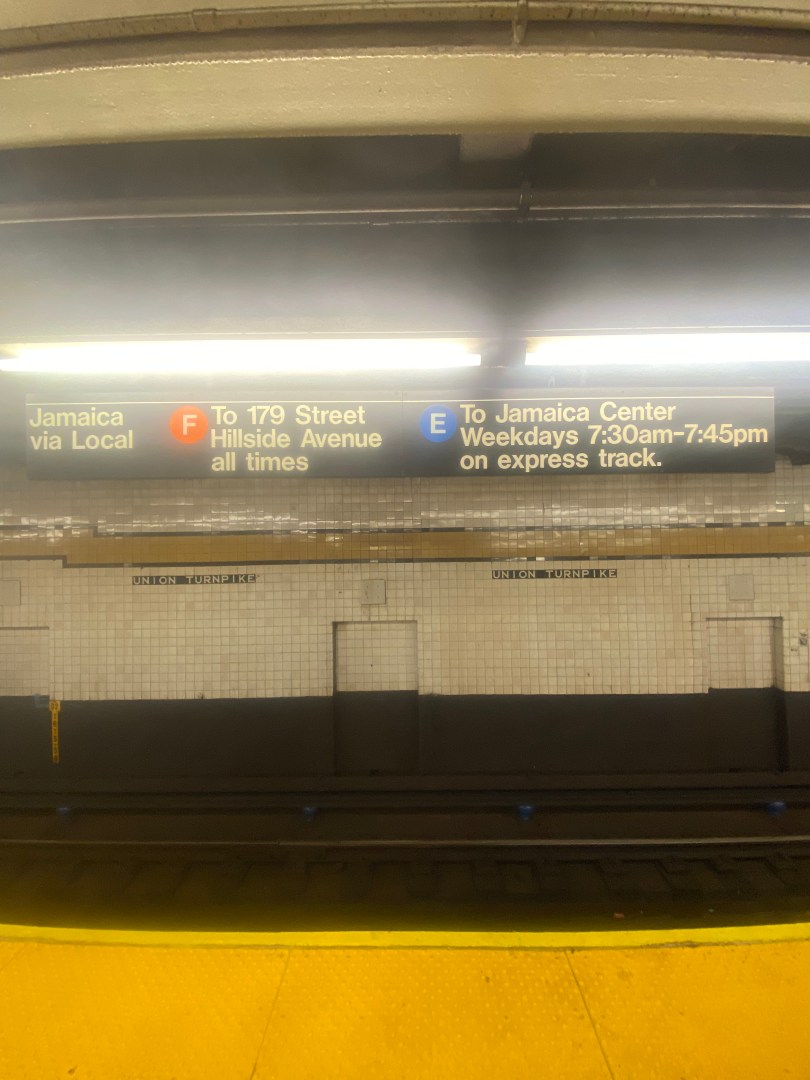
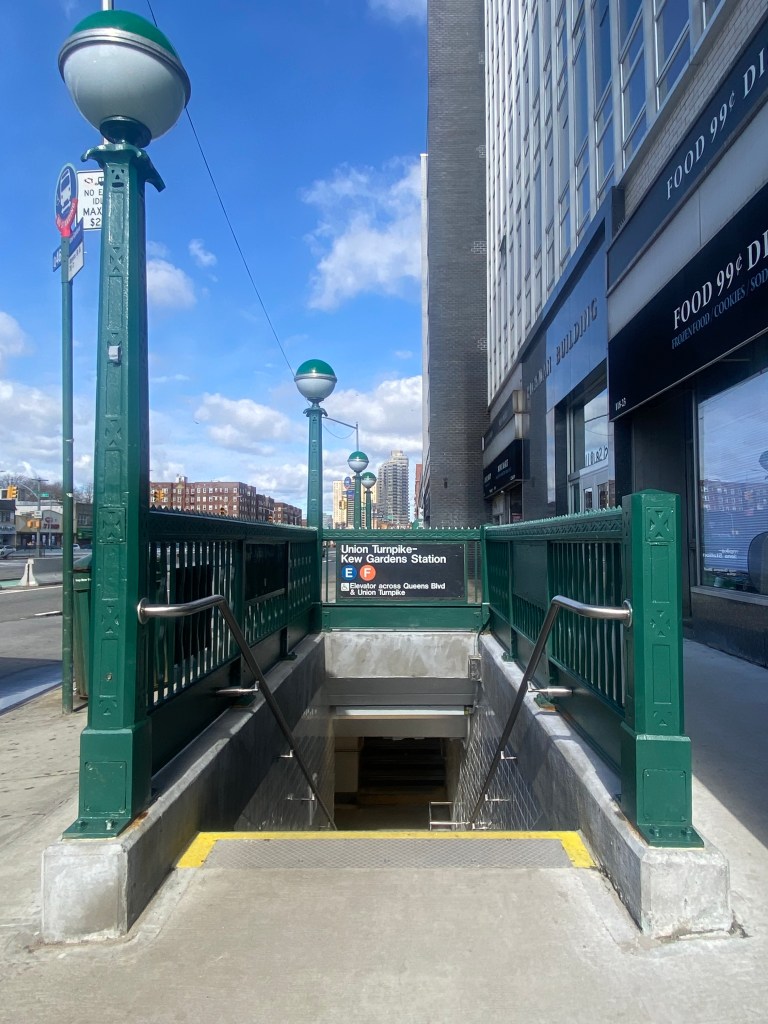
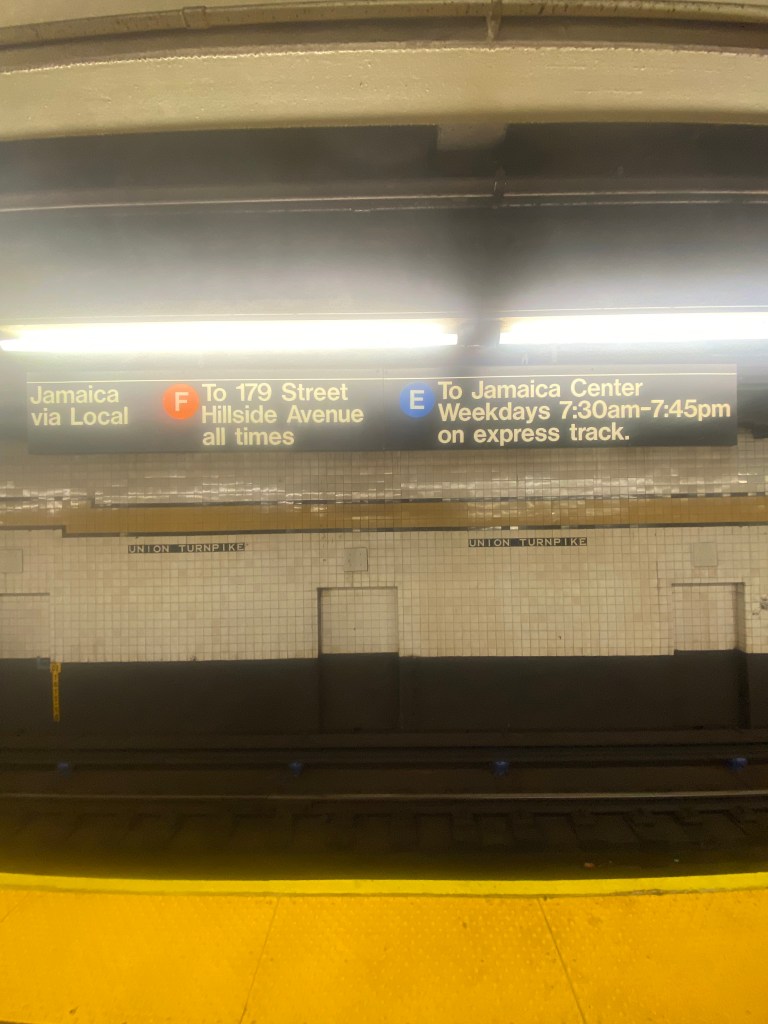
Even after the saga with QBL East, the MTA seemed determined to finally start work on the line between Kew Gardens-Union Tpke(E,F) and Jamaica-179th St(F). Completion of the project in its entirety is essential to ensuring riders in more places benefit from CBTC and that the line as a whole can see faster and more frequent trains. For this portion of the project, the MTA inked a $62.65 million contract with Mitsubishi Electric for its completion the same month the QBL West portion of the project was complete. This is the MTA’s first non-European supplier of CBTC and it will be Mitsubishi’s first CBTC project done outside of Japan. The QBL East portion of the project is set to be completed by 2026.
Unfortunately, the agency had been practically silent on the status of the rest of the project following the completion of the western portion. They finally said something QBL-CBTC related in late Fall 2022 when it was revealed that completed portions of the project faced operational issues due to software-related reliability problems in an article from THE CITY. These issues included problems with software updates along with faulty trackside and subway car equipment. Additionally, the MTA was continuing to face interoperability issues between Siemens and Thales equipment like it did during construction. It’s likely that the MTA wants to fix the issues with the completed parts of the project before moving forward. However, there is no telling when the issues will be fixed or if work on QBL East will be delayed as a result.
THE CITY news site found that MTA records accused Siemens of a job performance that was “far below contract requirements” and that it could lead to financial penalties against the company. A spokesperson for the company told THE CITY “‘New York’s subway system is one of the most complex in the world and we are confident that our CBTC solution will not only fulfill our obligations to the MTA, but provide efficiency and reliability benefits to their riders.’” The issues were so great that the cost of the project ballooned from its initial $663 million cost to $734 million between construction delays plus the software issues that occurred once CBTC was in operation.
In regards to when work on QBL East will begin, no timeline has been provided by either Mitsubishi Electric or the MTA. For the three weeks between February and March, there was no E Train service between Kew Gardens-Union Tpke and Jamaica Center-Parsons Archer due to “signal modernization work” according to MTA Weekender emails. However, the that area is considered the Archer Avenue Line and work there likely had nothing to do with CBTC on the Queens Blvd Line. Whenever works does start on QBL east, the MTA will undoubtedly conduct a good amount of work during similar weekend shutdowns. In a 2015 MTA Youtube Video about CBTC, Resident Engineer on the Flushing Line(7) CBTC project Andrew Lubrano discussed exactly what happens subway service is shutdown for CBTC projects. He said during the Flushing Line project “…the only time you can get real work done you have to have a shutdown”. Lubrano also said “…there’s alot of work that’s happening at the present time, we have power cable work, we have track department out here doing rails, we’re wiring, grounding, flowing conduits with testing, we’re also doing stationing.” Stationing was conducted to ensure transponders, which are used to communicate with trains are installed in the correct locations on the railway.
As the Queens Boulevard Line CBTC project has and continues to take a lot of twists and turns, riders likely hope that all portions of the project can be fully operational soon. Regardless of how long it takes, subway riders will undoubtedly have substantially better commutes within the next few years. Hopefully, the MTA and its contractors can use CBTC will transform the Queens Boulevard Line into a modern, fast and reliable subway line that can serve Queens for years to come.
Works Cited
Martinez, Jose. “MTA Flags Contractor Errors, Adds Two More Years to Subway Signal Work Forecast.” THE CITY – NYC News, 2 December 2022, https://www.thecity.nyc/2022/12/02/mta-subway-signal-work-take-longer/. Accessed 4 March 2024.
Martinez, Jose. “Signal Distress: Cornerstone of MTA’s Fast-Track Plans Racking Up Delays and Dollars | THE CITY — NYC News.” THE CITY – NYC News, 16 November 2021, https://www.thecity.nyc/2021/11/16/signal-distress-cornerstone-of-mtas-fast-track-plans-racking-up-delays-and-dollars/. Accessed 4 March 2024.
Metropolitan Transportation Authority. “CBTC: Upgrading signal technology.” MTA, 8 November 2023, https://new.mta.info/project/cbtc-signal-upgrades. Accessed 4 March 2024.
“MITSUBISHI ELECTRIC News Releases Mitsubishi Electric Wins First Contract to Supply NYCT with CBTC Wayside Equipment.” Mitsubishi Electric, 21 February 2022, https://www.mitsubishielectric.com/news/2022/0221.html. Accessed 4 March 2024.
mtainfo. “CBTC: Communications-Based Train Control.” YouTube, 20 July 2015, https://www.youtube.com/watch?v=Mjx3S3UjmnA. Accessed 4 March 2024.
New York City Department of City Planning. “Car Ownership in NYC.” Tableau, 24 November 2022, https://public.tableau.com/app/profile/dcptransportation/viz/ACSProfiles/Dashboard1. Accessed 4 March 2024.
 Transit Central