By Joseph Morales
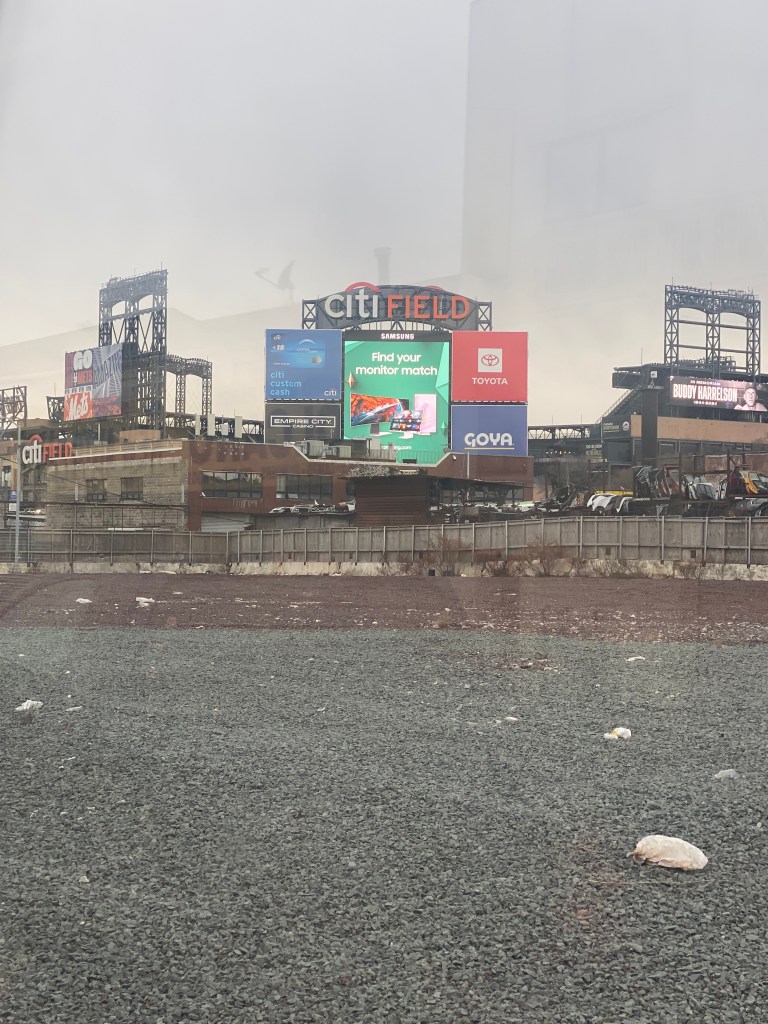
The most notable destination in the Willets Point neighborhood in Queens is undoubtedly Citi Field, home of the New York Mets. Despite most considering Citi Field part of Flushing, the stadium sits entirely in Willets Point according to Google Maps. Additionally, both the subway and LIRR stations adjacent to the stadium are both named Mets-Willets Point.
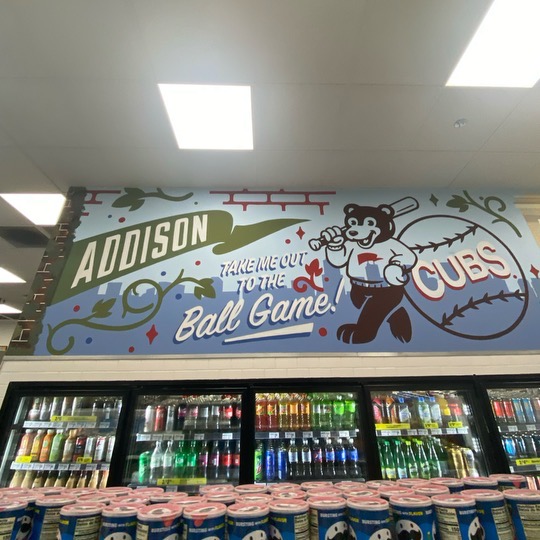
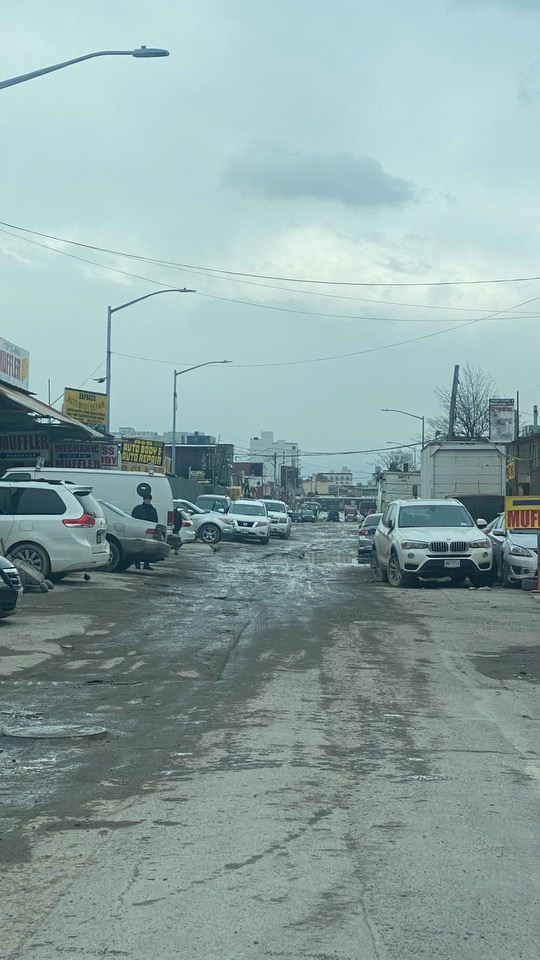
To most New Yorkers, Willets Point is known more for the plethora of auto businesses that fill the streets surrounding Citi Field. They include everything from places to purchase auto parts to places to get any part of a vehicle fixed. This has led to the neighborhood being dubbed the “Iron Triangle.” While these businesses provide critical services to area vehicle owners, their abundance makes for streets being crowded with vehicles along with poor road and sidewalk conditions. This makes the community besides Citi Field undesirable and even inaccessible for anyone without a vehicle, leaving little to do besides see a baseball game in the neighborhood. The environment around Citi Field is a far cry than that surrounding the Crosstown Rival Yankees, where fans can enjoy a plethora of shops, restaurants and entertainment options. Additionally, there is a dense and vibrant community surrounding Yankee Stadium, making it a desirable environment for visitors as well as for businesses to thrive year-round. Several other Major League clubs, such as the Chicago Cubs, are also known for having lively communities with strong public transit access around their ballparks.
Luckily for Mets fans and New York City as a whole, Willets Point is about to undergo a major transformation that will change the neighborhood forever. The Major League Soccer Team NYCFC is set to receive a new soccer stadium with a 25,000 person capacity that will be the first ever soccer-specific stadium built in New York City. For NYCFC, this will be the first time they have a home stadium of their own as they have shared Yankee Stadium with the Yankees since their inception in 2015. Over the years, they have had to play games at Citi Field and even at the home of their rival New York Red Bulls if Yankee Stadium was not available. This five core design principles for the stadium are “creating the best live fan experience in NYC, authentically representing our city, embedding the stadium into our community, building a “‘future forward stadium’” and modeling sustainability.” Plans for the stadium include an activated cube entranceway that will light up with lively images on game days along with a headquarters for NYCFC’s organization City In The Community. The stadium will also include numerous sustainability features such as renewable energy and efficient water systems. NYCFC also plans to find ways for the stadium to be used year-round for events including on non-match days. The stadium is set to be complete in 2027 and should be ready for NYCFC to play there starting that same season.
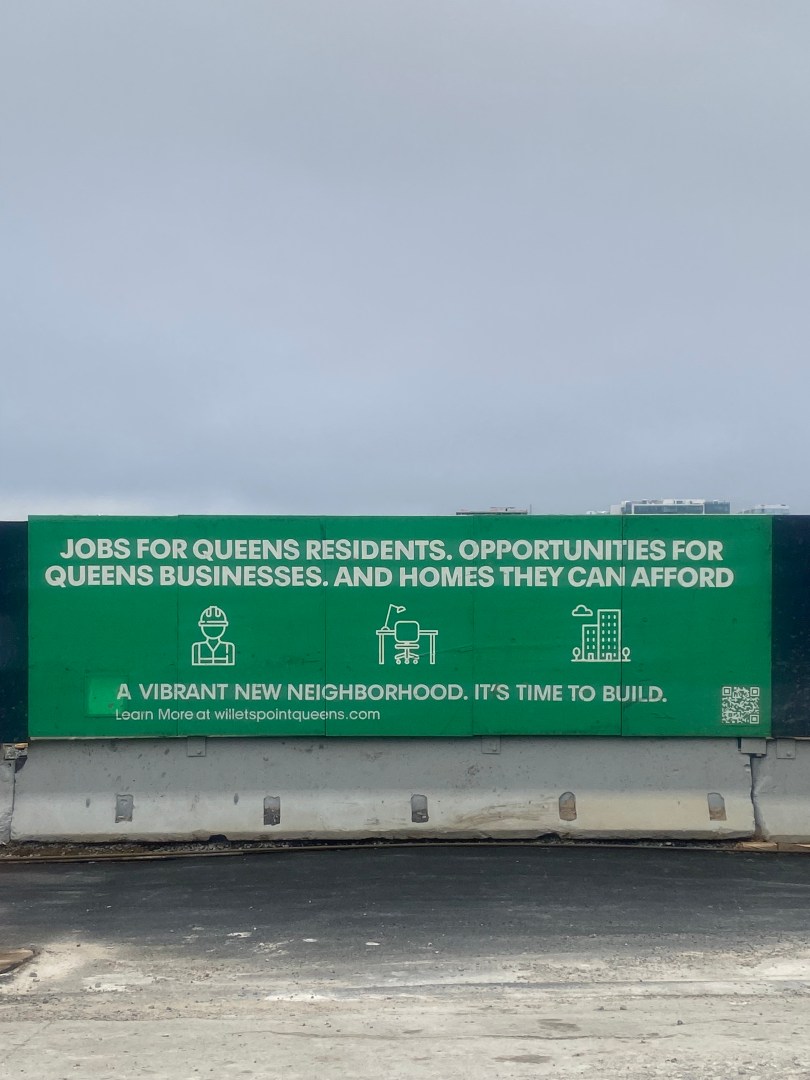
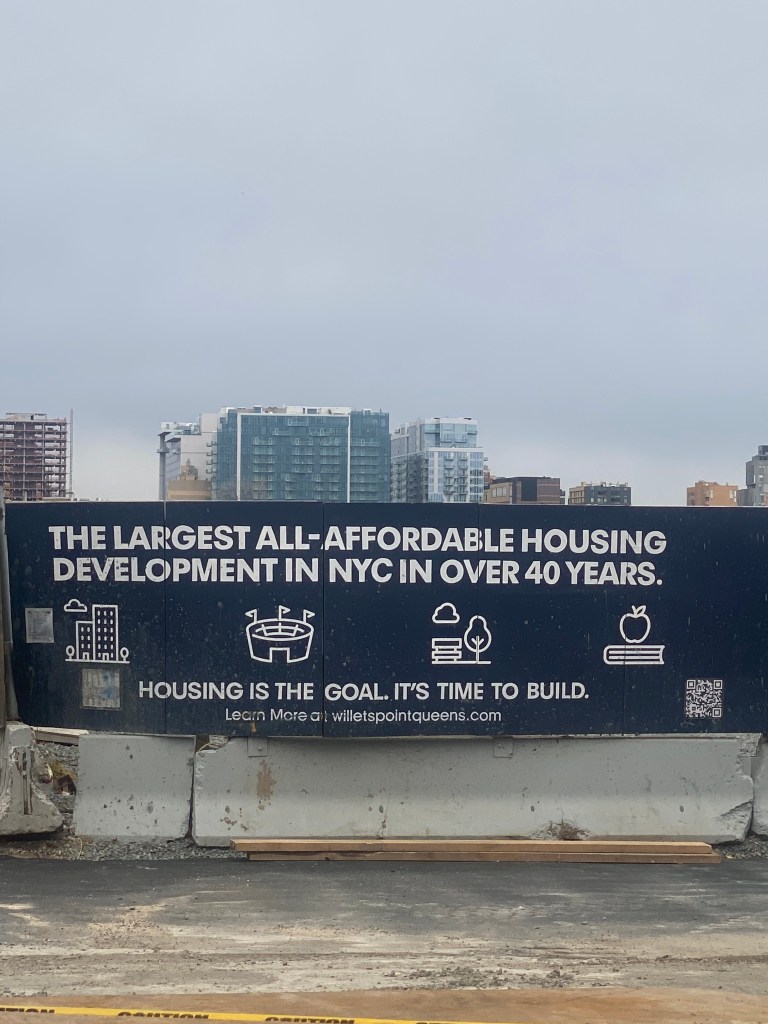
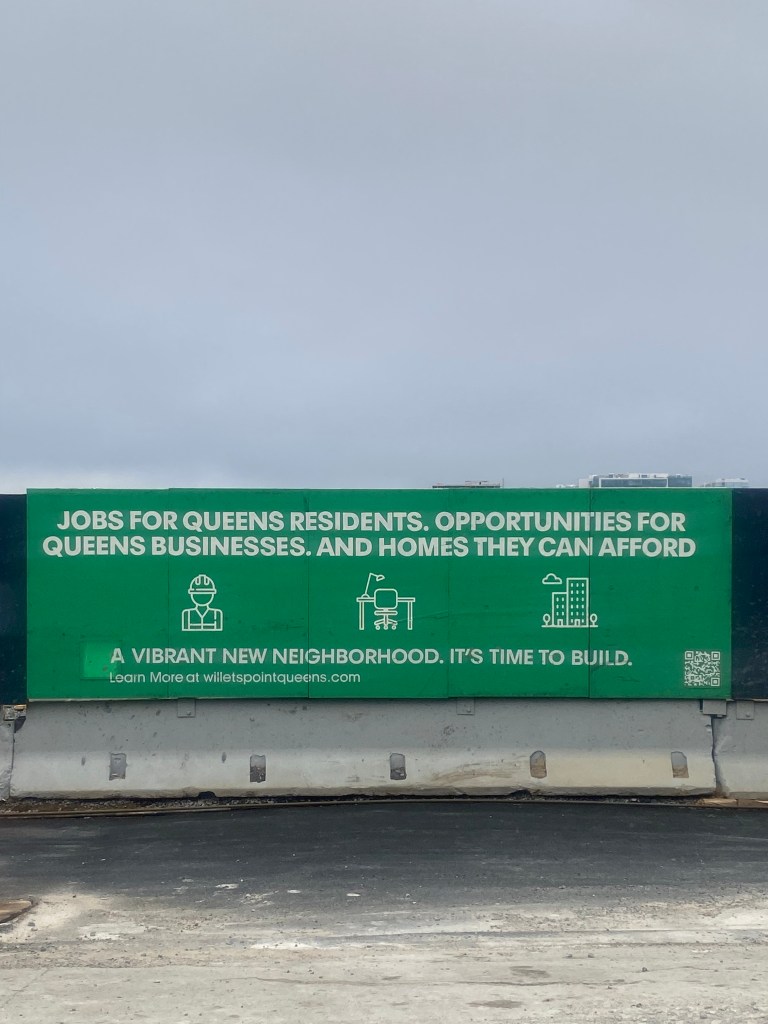
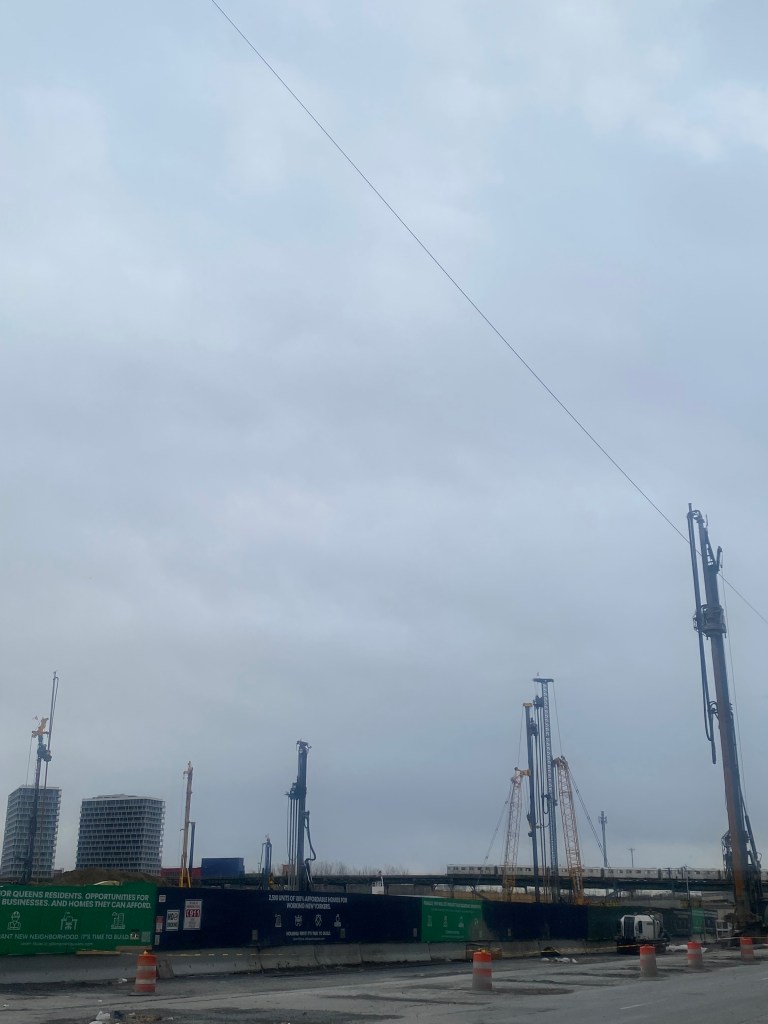
In addition to the new stadium, the entire neighborhood is undergoing development that will build a vibrant, mixed-use community around the two stadiums. This development will include 2,500 affordable homes, a 250 room hotel, a 650-seat public school and 115,000 square feet of open space. The development plan also includes retail facilities that will create well paying jobs for residents and provide spaces for area visitors and residents alike to shop. All of this is set to build on a pedestrian-friendly main street, with other pedestrian thoroughfares designed for small businesses and passive recreation in between buildings. While there is no word yet on what grades the school will serve, the school will likely be an elementary school due to more students attending elementary school closer to home than any other level of school. Currently, the closest elementary school to the site of the first residential building, P.S 143 Louis Armstrong is located 1.2 miles or about a 30 minute walk away and already has 1,448 students. Overall, the project is expected to bring in $6.1 billion of economic impact along with 14,200 construction jobs and 1,500 permanent jobs. The project will be the first 100% affordable housing project in New York City in 40 years. While no skyscrapers are being built, the project will lead to Willets Point becoming the latest NYC neighborhood to have a skyline, which will symbolize its newfound status as a hub for economic vitality and opportunity.
As development occurs, the area’s connections to transit will allow for people to conveniently get to and from the neighborhood from many parts of Queens and the New York Metropolitan Region. With access to the 7 train, residents will be just 10 minutes or less from the bustling Queens neighborhoods of Downtown Flushing, Jackson Heights and Corona and just 30 minutes from Midtown Manhattan. The LIRR also provides quick access to many destinations in Eastern Queens and Nassau County, some of which are accessible by an intermediate fare of just $3.00 per trip, regardless of the time. The CityTicket allowing riders to travel for $5 during off-peak hours and $7 during peak times might also make the LIRR more compelling to lower and middle income riders than it once was. Outside of rail transit, the development will be served by the Q48 that connects to Downtown Flushing and LaGuardia Airport. If the Queens Bus Network Redesign Final Plan stands, riders will also have access to the Q50-LTD to all LGA Terminals, and The Bronx in addition to places traversed by the Q48.
This transit access will also make the new jobs and businesses in the area more accessible to those in surrounding communities that lack access to a car. Additionally, the subway, LIRR and bus options make it easy for Mets fans and soon NYCFC fans to get to the game on mass transit, limiting vehicular congestion. The quality mass transit options might also make the hotel a good option for those looking to spend time in Manhattan without having to pay the high costs of hotel rooms there. People looking to do other things in Queens and Long Island might also consider the hotel due to the limited number of hotels located in these areas near the subway and LIRR. This will make the hotel a stronger business with a clientele not limited to fans of the visiting teams the Mets and NYCFC play. Outside of travel convenience, public transit has and will allow for more space in Willets Point to be used for development rather than parking. Many MLB teams such as the Philadelphia Phillies and Texas Rangers have more parking surrounding their stadiums simply due to the higher rates of car ownership and/or less transit access in their respective metropolitan regions.
Given Willets Point’s history of non-eco friendly land use in the form of auto shops, environmental remediation needed to be done in order to get the site of the first residential building ready for construction. Environmental remediation refers to addressing dangerous substances through removal, containment and/or treatment in order to make spaces safe for development. In this case, remediation helped to remove toxic substances from the ground that would have made development dangerous for both humans and the environment. To perform the remediation, the New York State Department of Environmental Conservation and the State Department of Health tested the soil, soil vapor and groundwater to determine what contaminants needed to be accounted for as part of the remediation. Then, they decided to remove the dangerous substances from the development site and transport them offsite. The NYCEDC said that more remediation including that done by means of containment and treatment may be done on future sites depending on site conditions.
In addition to making Willets Point safe for development, developers plan to go above and beyond to ensure that development is not only possible, but that it is environmentally friendly. They plan for LEED standards to be applied to both the residences and the hotel. Additionally, NYCFC is planning numerous initiatives to limit the stadium’s adverse impact on the environment. This includes water harvesting systems that will recycle rainwater and using locally sourced materials for stadium construction. They are also planning to reduce waste in the stadium by providing guests with easy access to drinking water refills, exploring potential compost options and working with suppliers with strong sustainability ideals. The club is even planning to work with fan groups and community organizations to encourage transit ridership to matches. This is not to mention the fact that the arena will be all-electric with solar panels, and the club is seeking to have zero-emissions operations at the stadium by 2040.
In the last few weeks, progress on the Willets Point project has rapidly picked up steam. As mentioned earlier, fastener than expected remediation work has Phase I construction starting a year ahead of schedule. Phase I will be home to 1,100 of the 2,500 affordable homes, the public school and some of the open space. On January 10th, 2024, Queens Borough President Donovan Richards recommended that the City Council approve Phase II under certain conditions to ensure the surrounding communities can fully reap the benefits of the development. Phase II includes the rest of the affordable housing, the school, stadium and more of the open space. The conditions include a requirement that minority and women owned businesses along with area residents should receive at least 30% of contracts and hires. The Borough President also wants developers to make infrastructure upgrades to the adjacent Flushing Meadows Corona Park as well as nearby NYC Transit subway and bus routes. In addition, Richards asked that no NYCFC games be scheduled on the same day as Mets games or events at the Billie Jean King National Tennis Center to mitigate congestion.
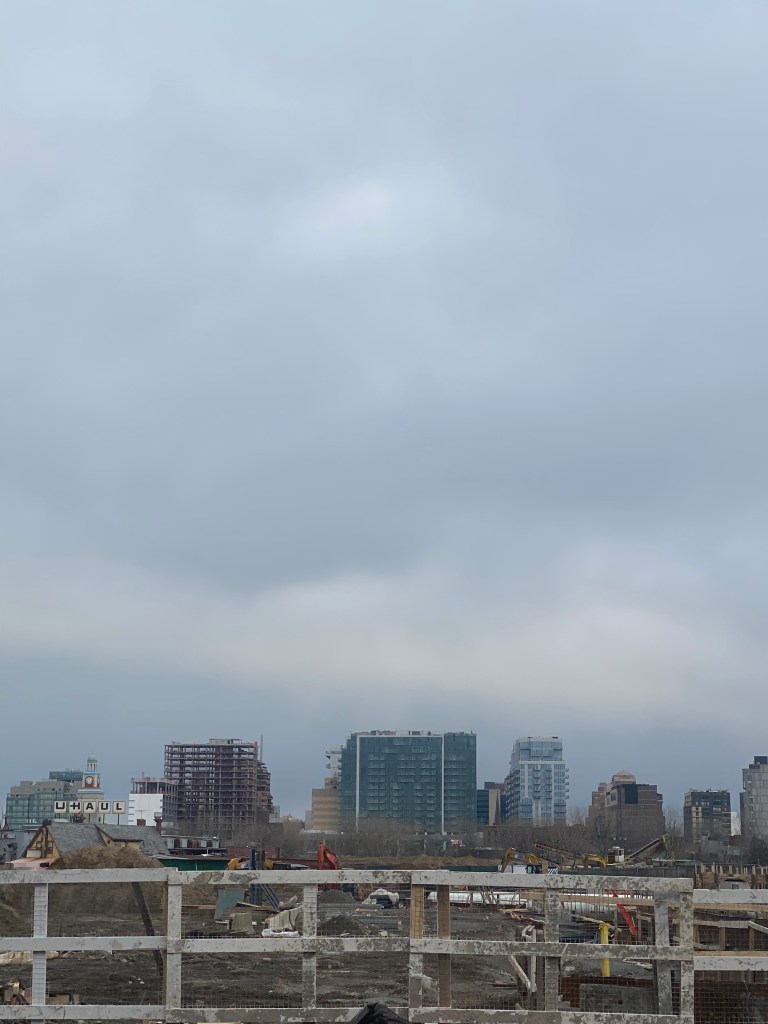
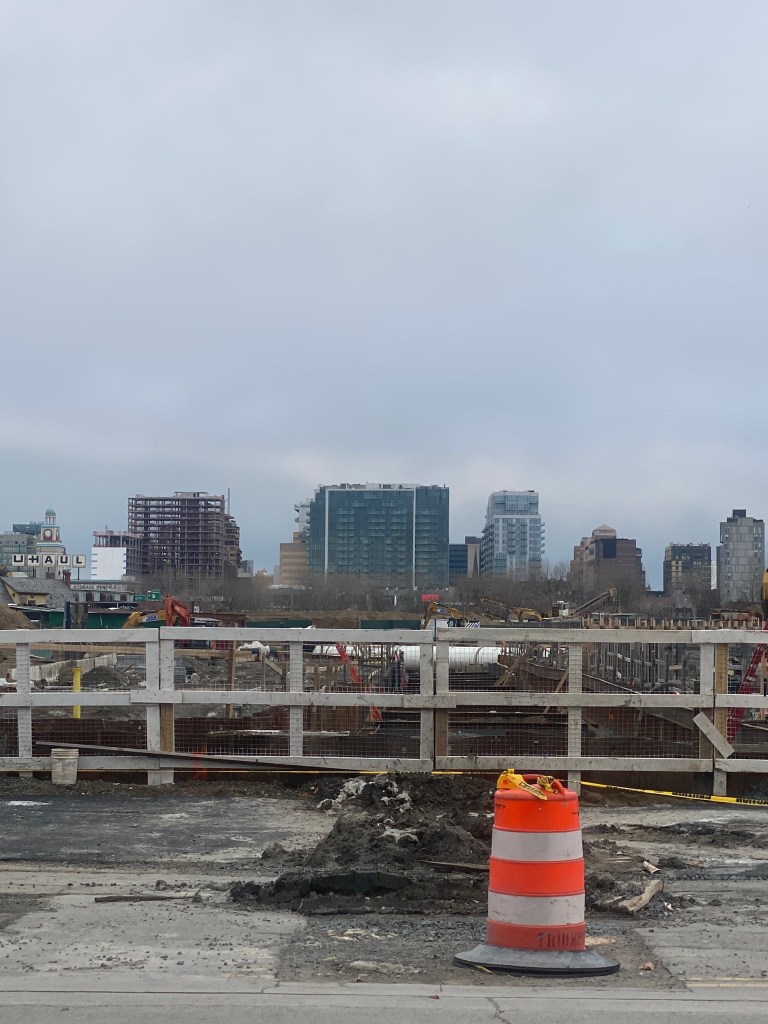
The transit-oriented development and soccer stadium project is arguably the most transformative project New York City has seen in a very long time. From a sports fan’s prospective, this project has a chance to put New York City on the map in a sport whose teams in Europe and Latin America typically overshadow NYCFC. For New Yorkers as a whole, this represents an opportunity to have much needed affordable housing as well as a viable neighborhood in a community known for decrepit streets that had a population of just 10 as of 2011. As the project continues on, there is hope that one day, development will put Willets Point on the map as an area of fun and opportunity for all New Yorkers.
Works Cited
“Announce 2022 MLS Regular Season Schedule | New York City FC.” New York City FC, 15 December 2021, https://www.nycfc.com/news/new-york-city-fc-announce-2022-mls-regular-season-schedule. Accessed 15 January 2024.
Kaye, Jacob. “City breaks ground at Willets Point — Queens Daily Eagle.” Queens Daily Eagle, 21 December 2023, https://queenseagle.com/all/2023/12/21/city-breaks-ground-at-willets-point. Accessed 15 January 2024.
Krichevsky, Sophie. “Remediation work at Willets Pt. done | | qchron.com.” Queens Chronicle, 9 May 2023, https://www.qchron.com/editions/north/remediation-work-at-willets-pt-done/article_5f8c3a9e-eead-11ed-aa02-13fb3d078cac.html. Accessed 15 January 2024.
Metropolitan Transportation Authority. “Queens Bus Network Redesign-Proposed Final Plan.” MTA, 12 December 2023, https://new.mta.info/document/128476. Accessed 15 January 2024.
“*NEWS* QBP RICHARDS RECOMMENDS APPROVAL WITH CONDITIONS OF WILLETS POINT REDEVELOPMENT PHASE II – Office of the Queens Borough President.” Queens Borough President, 10 January 2024, https://queensbp.org/news-qbp-richards-recommends-approval-with-conditions-of-willets-point-redevelopment-phase-ii/. Accessed 15 January 2024.
“New York City Football Club to Build the First-Ever Fully Electric Soccer Stadium in Major League Soccer.” New York City FC, 15 November 2023, https://www.nycfc.com/news/new-york-city-football-club-to-build-the-first-ever-fully-electric-soccer-stadiu. Accessed 15 January 2024.
Nisse, Jake. “Why NYCFC will be hosting ‘home game’ at Red Bull Arena.” New York Post, 5 February 2020, https://nypost.com/2020/02/05/why-nycfc-will-be-hosting-home-game-at-red-bulls-arena/. Accessed 15 January 2024.
“The Plan.” Willets Point, https://www.willetspointqueens.com/#the-plan. Accessed 15 January 2024.
P.S. 143 Louis Armstrong (24Q143). NYC MySchools, https://myschools.nyc/en/schools/kindergarten/24Q143. Accessed 15 January 2024.
“Related, Sterling Equities and NYCFC Present First Look at New Renderings To Community Board 7 Members For Once-In-A-Generation 100% Affordable Housing And Stadium Construction Project.” New York City FC, 10 May 2023, https://www.nycfc.com/news/related-sterling-equities-and-nycfc-present-first-look-at-new-renderings-to-comm. Accessed 15 January 2024.
“Understanding Remediation | NYCEDC.” New York City Economic Development Corporation, 16 December 2019, https://edc.nyc/article/understanding-remediation-and-what-it-means-for-willets-point. Accessed 15 January 2024.
“Willets Point.” Google Maps, https://www.google.com/maps/place/Willets+Point,+Queens,+NY/@40.7589834,-73.8582828,15z/data=!3m1!4b1!4m6!3m5!1s0x89c26009e25f5635:0xc7447faeeb8943bf!8m2!3d40.759744!4d-73.8455118!16zL20vMDY0NmRs?entry=ttu. Accessed 15 January 2024.
“Willets Point | NYCEDC.” New York City Economic Development Corporation, https://edc.nyc/project/willets-point. Accessed 15 January 2024.
Wise, Natalie. “Philly Among Top Cities Where No One Wants to Drive.” Philadelphia Inquirer, 8 July 2014, https://www.inquirer.com/philly/business/cars/20140625_ZILLOW_Philly_Among_Top_Cities_Where_No_One_Wants_to_Drive.html. Accessed 15 January 2024.
 Transit Central