By Joseph Morales
Staten Island is the southwestern most borough of New York City. Despite frequently being considered “suburban” by New Yorkers, Staten Island is home to just under 500,000 residents and some areas have population densities that put them in line with parts of the Bronx, Queens and Brooklyn.
Unfortunately, the Island’s non-vehicular transportation options are rather scarce and do not always reflect the needs of Staten Island’s urban population. It’s most glaring transportation deficit of course is that Staten Island is the only borough not connected to the NYC Subway system. In addition, many of the Island’s buses are extremely infrequent with only 25% of routes maintaining frequent service during the morning peak, compared to 52% being the next lowest rate in Queens.
In addition to a lack of reliable transit, Staten Island is also the only borough without a single CitiBike station. This is the case while a plethora of other communities with mostly better transit access across the other four boroughs are continuing to receive CitiBike expansions or even e-scooter share pilots.
So why is this the case and how can micromobility come to Staten Island? This is by far a complex question with multiple answers, but the largest obstacle to a CitiBike expansion on Staten Island is likely cost. For the CitiBike expansions that have been completed or are ongoing, the city has not spent any money and all costs have been privately funded and paid for by user fares. In the NYC Streets Plan, it says that to expand the program for the 4 million New Yorkers outside of CitiBike’s current expansions, a public subsidy would likely be required. Given the fact that Staten Island only accounts for about 12.5% of those that will be without CitiBike access, it may not be the city’s priority for investment, especially given the city’s overall financial woes as whole. In addition, CitiBike and other micromobility companies may view Staten Island as a more difficult market to operate in due to its lower population and activity density compared to other boroughs, making it harder to place docks that are accessible to more people. Staten Island’s lack of a bike lane network, with few ways to get around the borough using protected or even standard bike lanes likely does not help.
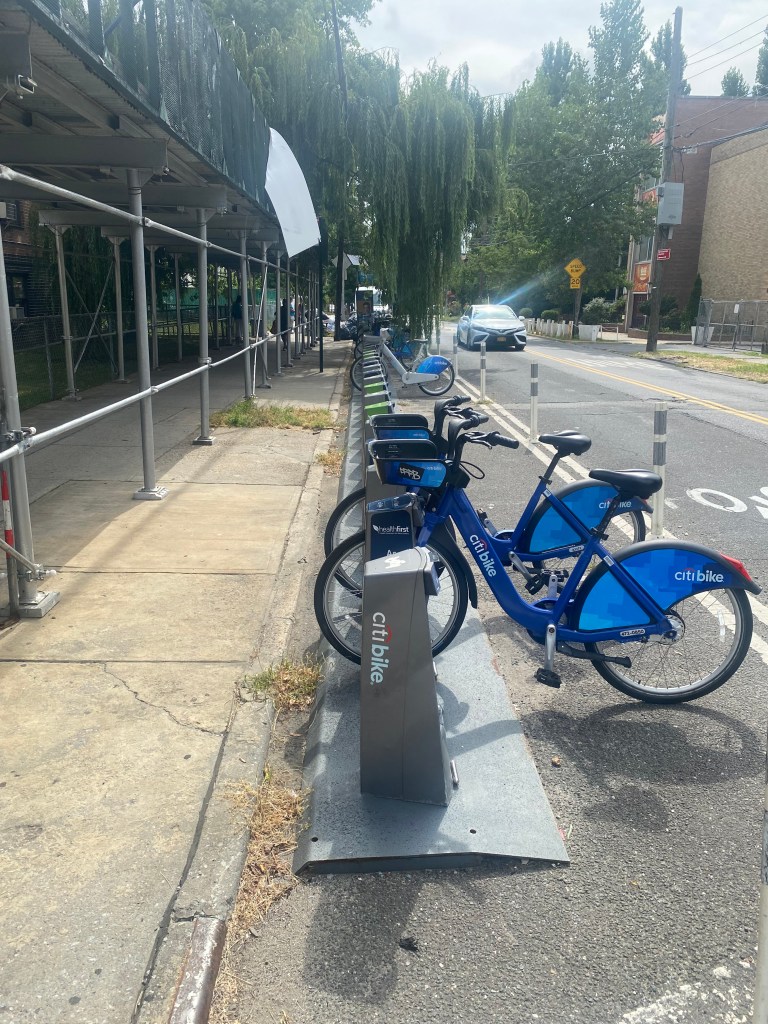
However, this does not mean that Staten Island would not benefit from a CitiBike expansion or that Staten Island is not on the city’s radar for micromobility programs. Given how Staten Island has infrequent local bus service, biking can be better option for more residents year-round to make shorter trips, which is one of the main purposes of bus travel. They could also cycle to the Staten Island Railway(SIR), the Eltingville Transit Center or the St. George Ferry Terminal, the latter two being major transportation hubs in the borough. Cyclists could also take advantage of thousands of acres of parkland while riding in “‘the borough of parks’”. In addition, CitiBike can especially help Staten Island cyclists with its electric assist option that could be helpful for those trying to navigate the Island’s hills, curvy roads and other difficult areas.
If CitiBike cannot come to the Island due to prohibitive costs, what about other forms of micromobility? In the most densely populated areas of Staten Island on the North Shore, the city implemented a dockless bikeshare pilot program with bikes from the companies JUMP and Lime that ran successfully for about a year and a half between 2018 and 2019. A dockless system is where one can use a bike and return it to a station nearest their destination, rather than where it was originally picked up. A survey conducted by the NYCDOT(New York City Department of Transportation) after completion found that 74% of respondents found the program “‘a great service for the city’”. In November 2019, the NYCDOT called on Beryl to operate a new program with over 1,000 new bikes following the success of JUMP and Lime, however it was delayed due to the start of the COVID-19 pandemic. The company said that they would look to begin service “‘as soon as operationally and logistically feasible’” back in June 2020. However, the program was then continuously delayed until Beryl withdrew from it in May 2021. The NYCDOT has spent the last two years evaluating other options but has shown little progress publicly on a new micromobility option for Staten Island. Even though its been more than four years and a pandemic since bikeshare was on Staten Island, this is clear proof that Staten Island cyclists benefit greatly from bikeshare and micromobility.
If having a bike share company operate on Staten Island is still a challenge, the NYCDOT may want to consider bringing an e-sccoter share program to the borough. This would be similar to the e-scooter program it has in the East Bronx with expansion plans for Eastern Queens. With these programs, riders can rent and park scooters from anywhere in the “furniture zone” of the sidewalk in free floating zones or from mandatory parking corrals in parking corral zones. The mandatory corrals in The Bronx are predominantly located on busy commercial corridors such as Tremont Ave, Wetschester Ave, and White Plains Rd between Bronxdale Ave and E 241st St. The program has been very successful there, with over two million trips being made among 115,470 user accounts as of this year. There have also been few serious injuries, no deaths and a crash rate of fewer than one for every 8,000 trips, which is less than the rate for cars and planes. The e-scooters in The Bronx are provided by companies Bird, Lime and Veo and they will all be a part of the Queens expansion.
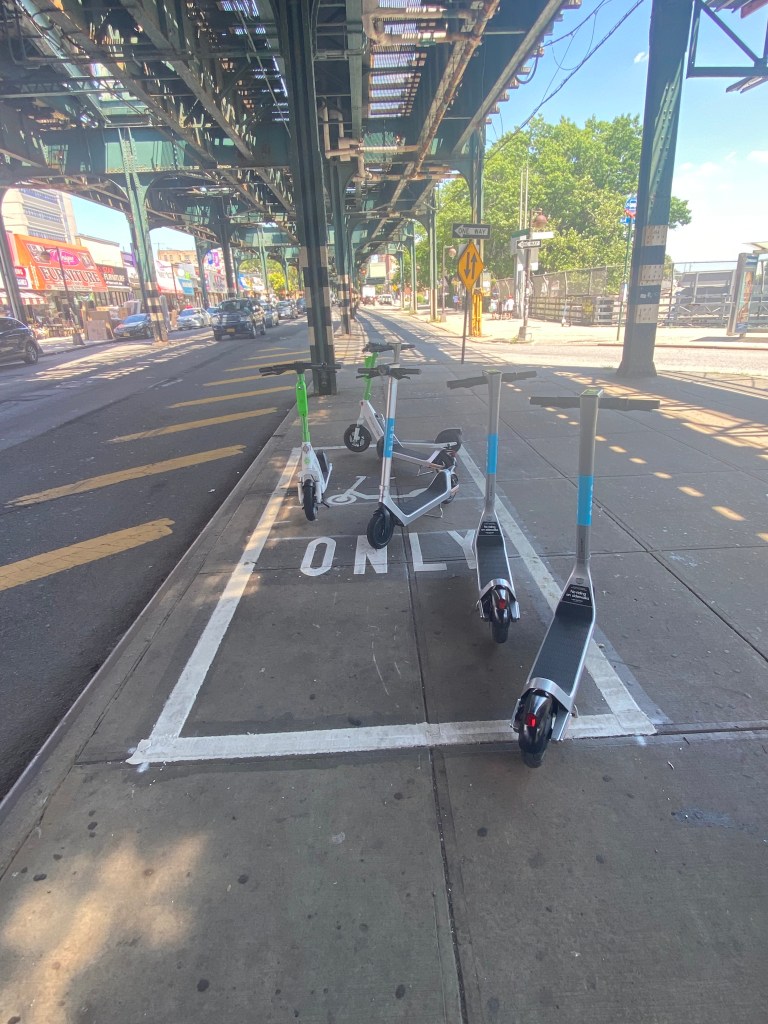
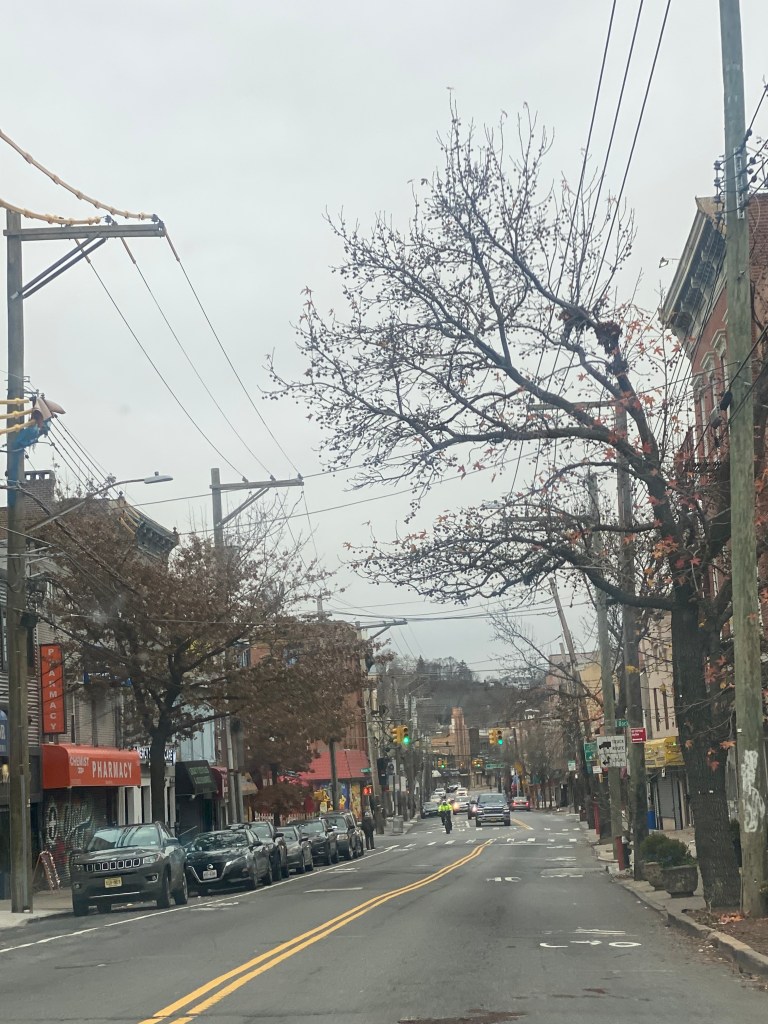
On Staten Island, the e-scooters would likely be used for similar trips to a bikeshare. Mandatory parking corrals would probably be necessary on a handful of corridors such as Forest Avenue, Bay St and Hylan Blvd. Additionally, larger corrals may also be needed near SIR stations, the St George Ferry Terminal and the Eltingville Transit Center, where there would likely be a larger number of e-scooters. Since NYCHA residents are eligible for discounted rides in the Bronx and Queens programs, a similar policy will be a great boon for NYCHA residents on the North Shore due to the area’s lower car ownership rates. Discounts are also available for recipients of other public benefit programs such as SNAP. As challenges have arised in The Bronx with improperly parked scooters, companies may want to enhance geofencing technologies that would lock devices for riders until parking issues are fixed along with rider education to prevent this issue. Additionally, while the NYCDOT did find that riders who were eligible for discounted rides took substantially more trips than those who were not, they also found that overall ridership from low-income individuals was low. Therefore, more advertising in areas such as bus shelters, retailers and more could help for more potential riders to take advantage of an e-scooter program.
In addition to micromobility devices coming to Staten Island, more could be done to ensure that micromobility is safe and convenient in the borough, whether it be CitiBike or something else. The NYC Parks Department and the MTA has already taken numerous measures such as repaving trails in major parks and adding bike racks to two Staten Island bus routes respectively. In addition, the NYCDOT has proposals for bike lanes that connect existing bike lanes to the Bayonne and Goethals Bridges along with a greenway along the North Shore Waterfront.
However, the NYCDOT can continue to build on its bike lane expansions by considering the construction of a formal bike network on Staten Island, similar to how they have in various community districts across the other four boroughs. This is simply because Staten Island has relatively few bike lanes of any kind and the ones that do exist do not have strong connections to other ones. Considering how the different types of bike lanes can reduce cycling injuries by an average of between 18 and 34% based on NYCDOT data, they can go a long way toward getting Staten Islanders more comfortable with any form of micromobility. If the NYCDOT decided to expand the e-scooter program to Staten Island, it could also do what it did in the Bronx and prioritize bike lane projects on the Island.
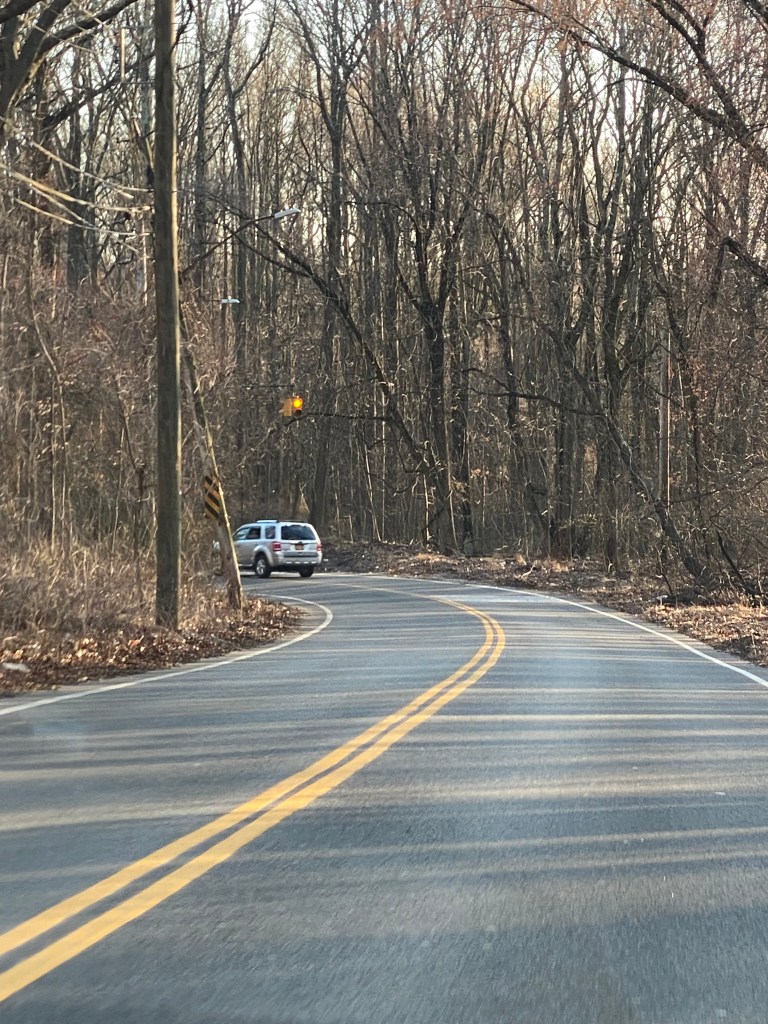
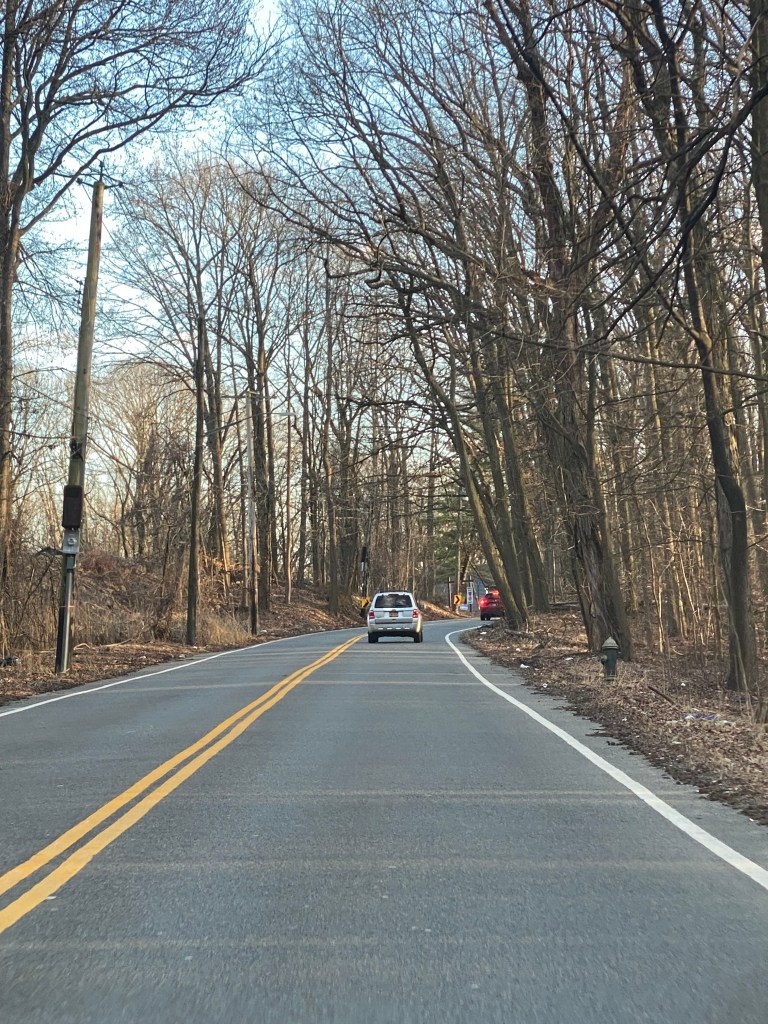
While bike lanes forming a variety of connections would be necessary to having a complete network, a north-south trail in either Latourette Park, Blood Root Valley or High Rock Park would be huge for riders. This is because there are no cycling connections between the North and South Shores in Central Staten Island and the roads here are desolate and busy with cars. As the city is getting ready to construct multiple new greenways throughout each of the five boroughs, this could be a part of the next major greenway expansion.
In addition to new cycling routes, the MTA could explore adding bike racks to all Staten Island routes. This may encourage more cycling if riders know they can board a bus if they would like to get to a trail in a specific place that they could only get to by car or a particularly dangerous bike ride. The bike racks the MTA already added to the S53 and S93 buses go a long way to helping cyclists get between Staten Island and Brooklyn without a car via the Verrazano Bridge. Additonally, riders could also connect to Bayonne, NJ if they do not want to ride over the Bayonne Bridge if the S89 bus had bike racks. Riders would also be able to plan hybrid rides, where they could both bike and take a bus, versus taking a more tedious bike ride or a car.
The MTA and NYCDOT could also add more bicycle parking to the Eltingville Transit Center and the St. George Ferry Terminal respectively to encourage cycling to these spots. Currently, the Eltingville Transit Center has scarce bicycle parking despite a recent $4.3 million expansion through which the center has 586 vehicular parking spots.
As multiple public agencies make efforts to improve micromobility throughout the boroughs, Staten Island is the only borough that completely lacks a micromobility share program. As the NYCDOT continues to explore solutions and enhance infrastructure, hopefully Staten Island receives a micromobility solution that works for everyone.
Works Cited
Bascome, Erik. “Getting to the bottom of it: Why Staten Island is the only NYC borough without a bike share program.” SILive.com, 26 February 2023, https://www.silive.com/news/2023/02/as-citi-bike-continues-to-expand-in-nyc-will-the-popular-program-ever-come-to-staten-island.html. Accessed 7 December 2023.
Metropolitan Transportation Authority. “MTA Announces Expansion of Eltingville Transit Center Park & Ride Lot on Staten Island.” MTA, 12 December 2022, https://new.mta.info/press-release/mta-announces-expansion-of-eltingville-transit-center-park-ride-lot-staten-island. Accessed 7 December 2023.
New York City Department of City Planning. “Car Ownership in NYC.” Tableau, 24 November 2022, https://public.tableau.com/app/profile/dcptransportation/viz/ACSProfiles/Dashboard1. Accessed 7 December 2023.
New York City Department of City Planning. “PL-P2 NTA: Population Density by Neighborhood Tabulation Area, New York City 2010.” NYC.gov, https://www.nyc.gov/assets/planning/download/pdf/data-maps/nyc-population/census2010/m_pl_p2_nta.pdf. Accessed 7 December 2023.
New York City Department of Transportation. “East Bronx Shared E-Scooter Pilot Report 2022.” NYC.gov, November 2022, https://www.nyc.gov/html/dot/downloads/pdf/east-bronx-shared-e-scooter-pilot-report.pdf. Accessed 7 December 2023.
New York City Department of Transportation. “NYC DOT Announces Queens Expansion of E-Scooter Sharing Program.” NYC.gov, 15 June 2023, https://www.nyc.gov/html/dot/html/pr2023/e-scooter-sharing-program-queens-expansion.shtml. Accessed 7 December 2023.
New York City Department of Transportation. “Safe Streets For Cycling.” NYC.gov, October 2021, https://www.nyc.gov/html/dot/downloads/pdf/safe-streets-for-cycling.pdf. Accessed 7 December 2023.
“Capital Project Tracker.” NYC Parks, https://www.nycgovparks.org/planning-and-building/capital-project-tracker#StatenIsland. Accessed 7 December 2023.
“Staten Island Facts and Figures — The Staten Island Chamber of Commerce.” The Staten Island Chamber of Commerce, 2023, https://www.sichamber.com/facts-figures. Accessed 7 December 2023.
Stringer, Scott. “The Other Transit Crisis: How to Improve the NYC Bus System.” New York City Comptroller, 27 November 2017, https://comptroller.nyc.gov/reports/the-other-transit-crisis-how-to-improve-the-nyc-bus-system/. Accessed 7 December 2023.
United States Census Bureau. “Richmond County, New York.” Census Bureau, 1 July 2022, https://www.census.gov/quickfacts/fact/table/richmondcountynewyork/PST045222. Accessed 7 December 2023.
 Transit Central