By Joseph Morales
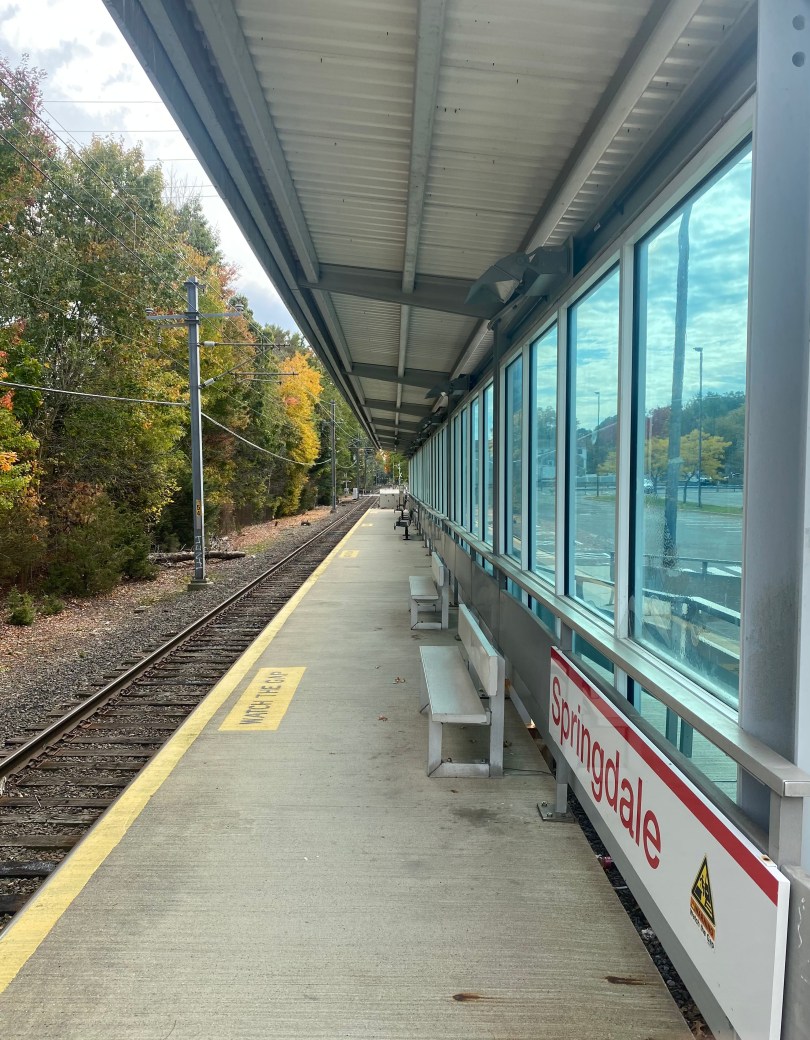
The New Canaan Line is a branch of the Metro-North’s New Haven Line(NHL) that runs from Stamford to New Haven, CT. The line connects areas north of the Stamford station with the rest of the NHL, which offers riders ample connections to other areas of Connecticut along with Westchester County, NY, and New York City. Additionally, the branch’s terminus at the Stamford station provides riders with access to Downtown Stamford, which is one of Southern Connecticut’s most prominent economic and cultural hubs. The Stamford station is also home to Amtrak trains, with the Stamford Transportation Center being just a block away, providing riders with access to trains that traverse the northeast along with bus routes that traverse Fairfield County, respectively.
Unfortunately for these riders, the line has been completely shut down for track repairs since the end of May and replaced with buses. When service changes are made on the NYC Subway due to track work, it is usually believed to be for general maintenance or other purposes that most riders generally do not think so much about. On the flipside, New Canaan Line riders have and will see a substantial difference in their commutes, which will hopefully make up for the delays and frustration that riders likely faced during the shutdown. The shutdown ended on Labor Day, which was this past Monday.
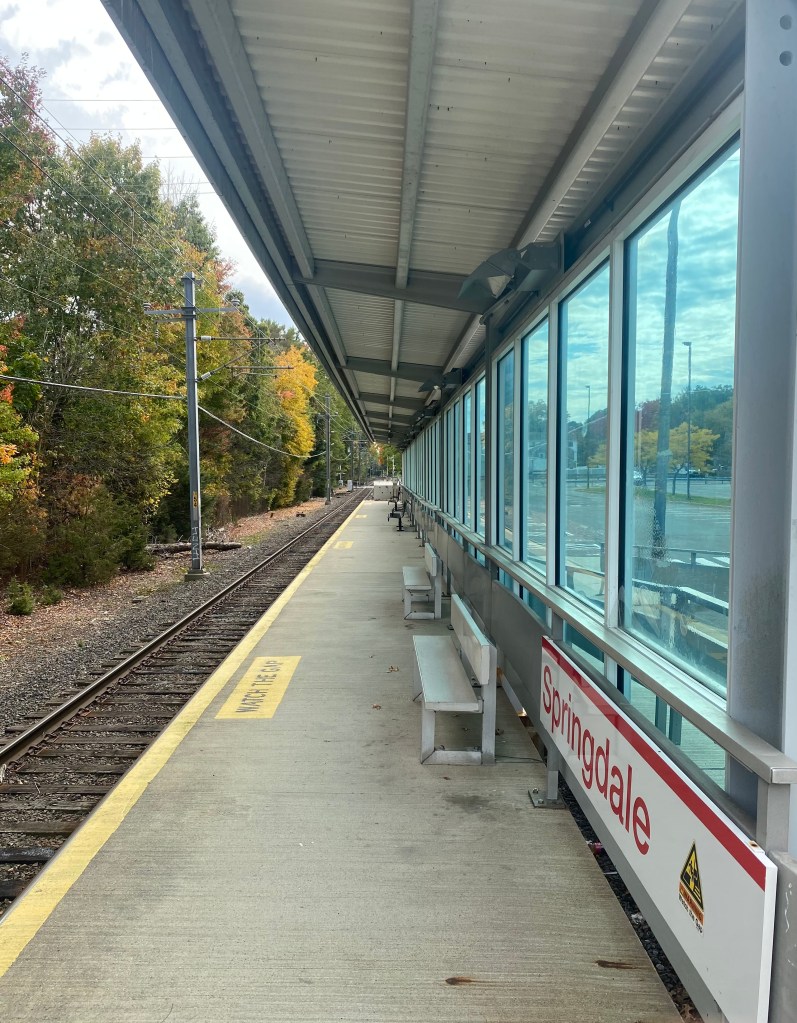
Much of the work was done on NHL Track 5 in order to increase train speed limits from 30 to 50 miles per hour in the City Of Stamford between the Glenbrook and Stamford stations, which should save riders a substantial amount of time. While not contributing to faster speeds now, the work done outside of Track 5 will help the railroad maintain a state of good repair and prevent future speed limit reductions for trains due to dilapidated infrastructure.
The speed improvements are a result of work done at New Haven Line Track 5 that included the replacement of 1,200 feet of rail out of 1,600 replaced, 830 ties out of 8,000 replaced, and bridge timbers over the East Main Street, Elm Street, and Canal Street Bridges. The speed improvements also required maintenance of the railway turnout near the Stamford station, which allows trains to move from one track to the other or, in this case, move from the main NHL onto the New Canaan Line Branch.
While there is no information on preexisting conditions for the New Canaan Line specifically that made this project necessary, the New Haven Line Capacity and Speed Analysis done in June 2021 by the Connecticut Department of Transportation(CTDOT), which manages CT commuter rail tracks, stated that parts of the New Haven Line(which the New Canaan Line is a branch of), had permanent speed restrictions in part due to “…the railroad’s state of good repair, particularly related to drainage, tie and track damage and profile deviations.” This could be part of why the rail was replaced and the ties were replaced and connected to the tracks via a fastening system from world-renowned rail infrastructure company Pandrol. (Tracks refer to the set of rails on which the train runs along.) The fastening systems consist of items such as rail anchors, spikes, and clips to ensure a strong connection that allows trains to run at faster speeds safely by helping to prevent the movement of the rails as trains move by due to the connection between the ties and track. The bridge timber replacements were also critical as bridge timbers hold several of the bridges the New Canaan Line uses together, ensuring these bridges can continue to serve riders efficiently and safely.
In addition to what is already being replaced or maintained, the MTA is working to remediate mud spots(poorly drained areas), surface the entire line, reinstall new rail anchors, and reinstating drainage on parts of the branch, most of which were mentioned as needs for the NHL and its branches as a whole in the New Haven Line Capacity and Speed Analysis from June 2021. As stated earlier, while work done outside of NHL Track 5 might not result in faster speeds now, it can help prevent slower speeds, increased train delays, and more draconian train line closures in the future. A separate report prepared by Fortune-500 infrastructure company AECOM for the CTDOT in July 2020 stated that there were 95 mud spots along the NHL and its branches, which would require the replacement of 5,700 ties to rectify. This tally likely includes some ties replaced as part of the most recent New Canaan Line project. In addition, both insulated rail joints and rail anchors are essential to ensuring the rail is in the proper position to move trains, with the rail anchors preventing the movement of rails due to temperature or vibration and the insulated rail joints ensuring that the two rails are connected to each other on the single track New Canaan Line.
The work needed to maintain a rail line is incredibly complex and undoubtedly takes a plethora of research and planning to do correctly. It is likely more difficult when that work is being performed on a busy commuter line, which thousands depend on to travel long distances on a daily basis. Hopefully, the work that has been done will help ensure that the New Canaan Line can safely and reliably serve Connecticut riders for years to come.
Works Cited
Connecticut Department of Transportation. “Track Improvement Work New Canaan Branch Line May 30, 2023.” CT.gov, 19 May 2023, https://portal.ct.gov/DOT/CTDOT-Press-Releases/2023/Track-Improvement-Work-New-Canaan-Branch-Line-May-30-2023. Accessed 6 September 2023.
Grace, Jingle. “Railway Turnouts: A Quick Guide to What They Are and How They Operate.” American Track, 2023, https://www.americantrack.com/railway-turnouts-a-quick-guide-to-what-they-are-and-how-they-operate/. Accessed 6 September 2023.
Connecticut Department of Transportation. “New Haven Line Capacity and Speed Analysis-Final Report.” CT.gov, June 2021, https://portal.ct.gov/-/media/DOT/documents/dprojects/TimeForCT/NHL_Capacity_and_Speed_FINAL_Report_June_2021.pdf. Accessed 6 September 2023.
Hindley, Liam. “Core Components of a Rail Fastening System.” SafeRack, 10 March 2023, https://www.saferack.com/core-components-of-a-rail-fastening-system/. Accessed 6 September 2023.
“About Us.” Pandrol, 2023, https://www.pandrol.com/about-us/. Accessed 6 September 2023.
AECOM, and VN Engineers, Inc. “New Haven Line Mud Spot Analysis-CTrail Strategies Phase II New Haven Line Speed and Capacity Study.” CT.gov, 21 July 2020, https://portal.ct.gov/-/media/DOT/documents/dpolicy/TIME1/Appendix-K-NHL-MudSpotAnalysisReport.pdf. Accessed 6 September 2023.
High Quality Rail Anchors Manufactured And Supplied by AGICO RAIL.” AGICO Rail, 2023, http://www.railroadfastenings.com/rail-anchor.html. Accessed 6 September 2023.
 Transit Central