By Joseph Morales
Queens is the largest borough in New York City by land area; and is estimated to be the second most populous borough, according to 2021 data from the U.S Census Bureau. Population and employment density in the borough varies substantially, from the hustle and bustle of Long Island City to the cosmopolitan streets of Jackson Heights and Corona to the suburban-style areas of Bayside and everything in between.
As you might expect, as density varies throughout the borough, so does transit propensity. Car ownership in the highest density areas of Northwestern Queens with car ownership rates of 40-60% for the most part, according to the New York City Economic Development Corporation(NYCEDC). However, areas with lower density, such as Eastern Queens and some parts of Western Queens that are further from Manhattan, have 60-80% car ownership rates. Some areas on the eastern end of the borough nearest the Nassau County border even have 80-92% rates.
Despite the drastically varied car ownership rates, most Queens residents take transit when traveling into Manhattan, regardless of where they live. This is likely due to Manhattan’s high tolls and parking costs before factoring in congestion and elevated gas prices. These already high costs will rise substantially once congestion pricing is implemented in Manhattan below 60th Street, where the MTA is considering a toll of $9-$23 for anyone driving in the zone. The plan currently does not include a credit for those who would have already paid a toll on the Queens Midtown Tunnel(QMT), the main entry point to Manhattan for most Queens motorists.
Eastern Queens residents may also look to take transit despite owning cars because while most residents live within walking distance of either an express bus route or an LIRR station, local bus service is often infrequent and not always reliable for travel within Queens and transit options to get to nearby Nassau County are extremely limited. Thus, while mass transit is a more convenient option, more might opt to take transit only to have to pay the cost of driving when it is absolutely necessary to get to where they need and/or want to go.
While most of Western Queens, particularly, is within walking distance to the subway and is also near Manhattan, Eastern Queens has no subway service and is located substantially further from Manhattan, closer to the suburbs of Long Island. While both areas have parts where one must take a bus to reach a subway, these rides in Western Queens are generally much shorter in the distance than those in Eastern Queens. This is mainly because Western Queens has subway stations throughout. In contrast, Eastern Queens riders are generally forced to travel to either the Flushing-Main St(7), Jamaica-Parsons Archer(E,J,Z) or Jamaica-179th St(F) stations to access the subway. As for the Long Island Rail Road(LIRR), service is infrequent and expensive, with peak tickets costing as much as $10.75 one-way to get into Manhattan from some areas.
Thus, many in these areas heavily rely on express buses to get them directly into Midtown and Lower Manhattan. While they usually arrive every 20-60 minutes during peak periods, this usually beats taking buses to the subway. These buses have a local portion, where they make stops in a specific area, and a nonstop portion to get riders into Manhattan before making stops there in either Midtown, Lower Manhattan, or both, depending on the route.
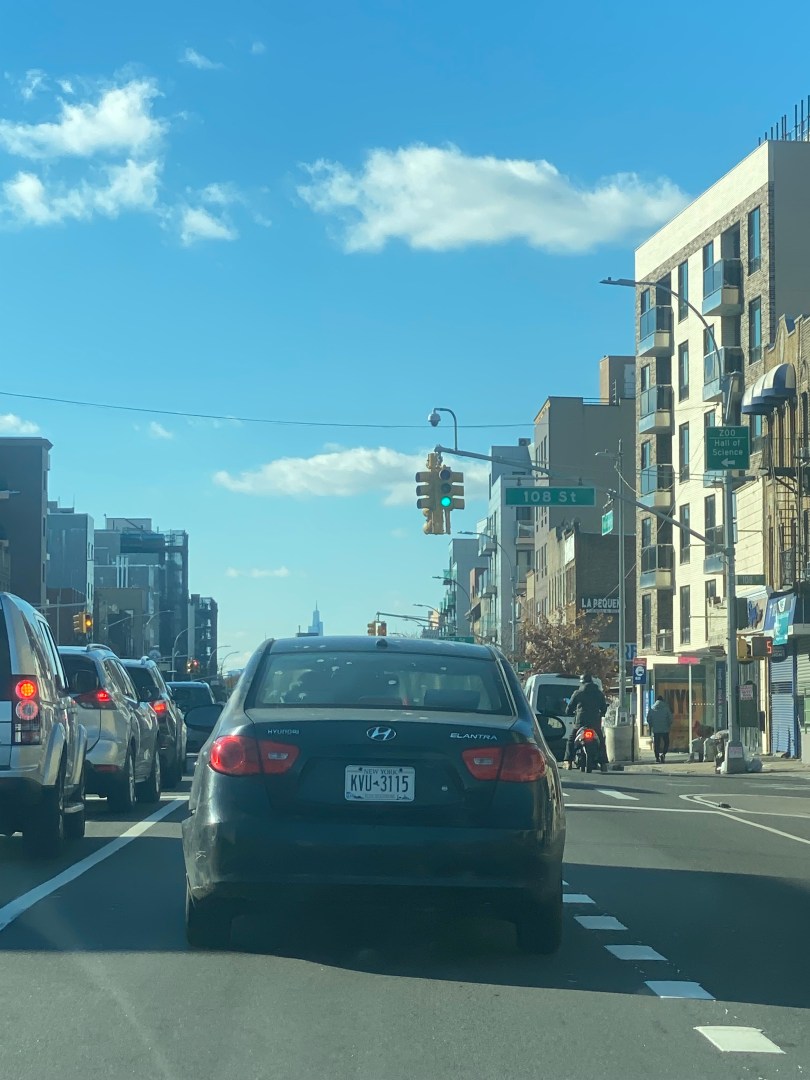
While express buses from the other three outer boroughs generally use highways for their nonstop portions, Queens express buses rely on the heavily congested Northern and Queens Boulevards to get to Manhattan, which are among the busiest streets in Queens, causing riders great inconvenience.
The MTA proposes rerouting these buses from those boulevards onto the Long Island Expressway(LIE) to address the issue. While the LIE could have its share of congestion issues, particularly during peak hours, it is worth noting that heavy congestion on highways often moves at speeds similar to, if not greater than, those on local streets. All other times, traffic on the LIE would move substantially faster than that on not just Northern/Queens Boulevards but that on any local street. The LIE also presents riders with a more direct trip to Manhattan with fewer turns.
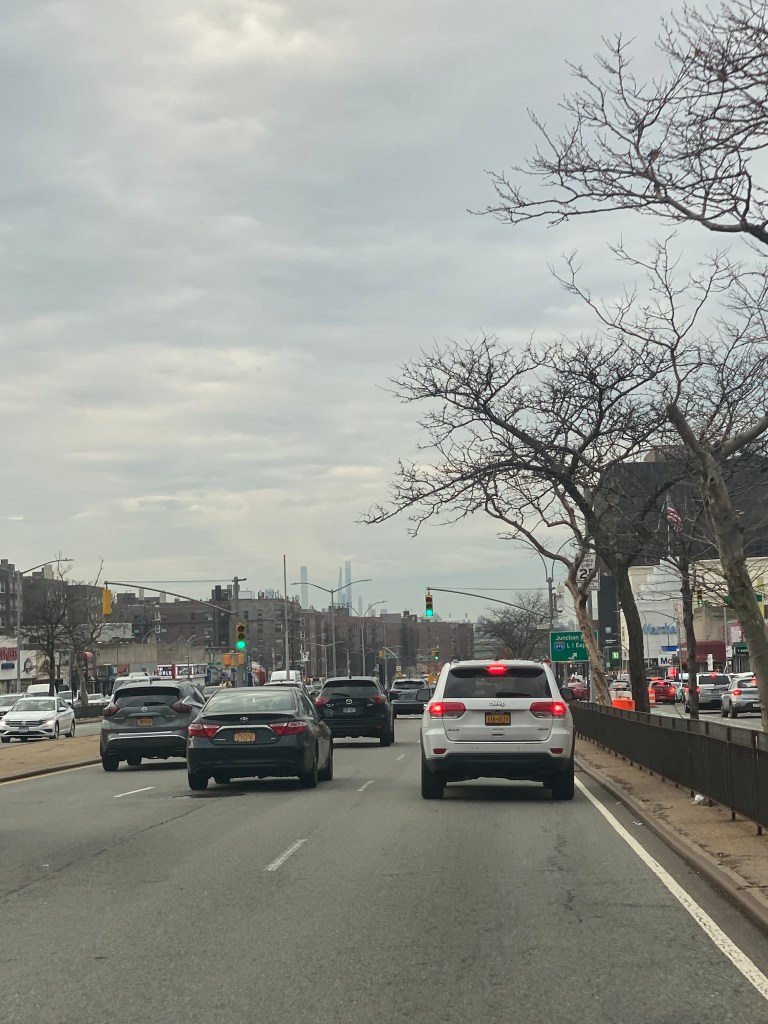
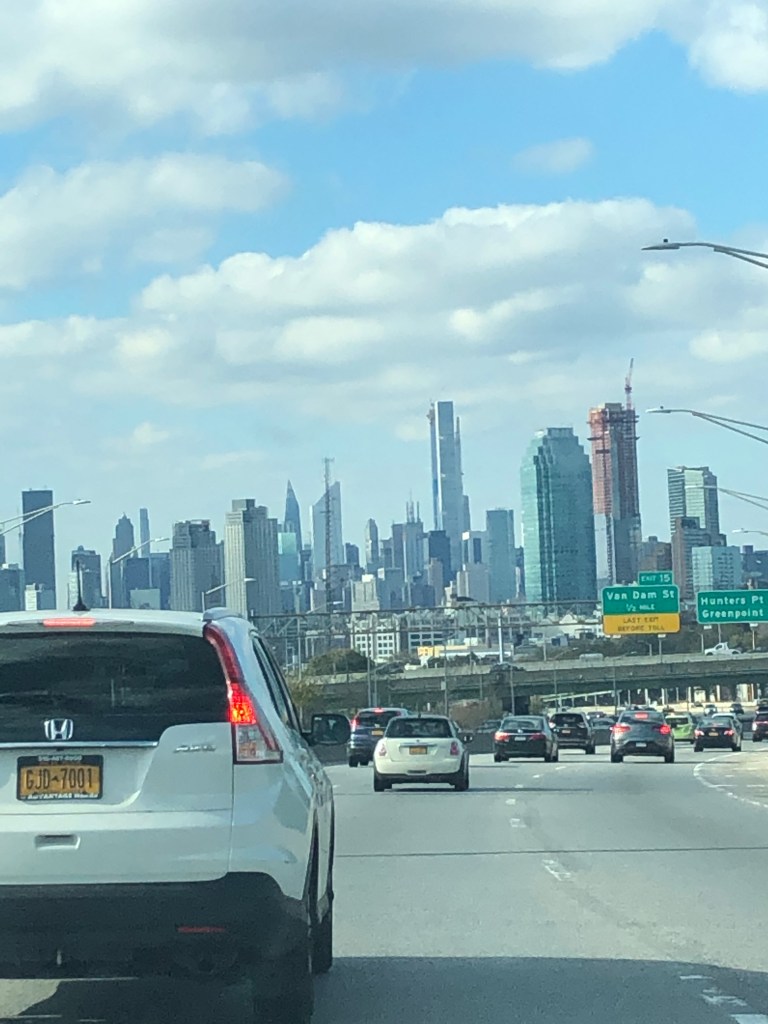
This should definitely result in significant speed and reliability improvements for express buses. In addition, this move might lead to many Queens residents opting for the express bus rather than their cars once congestion pricing rolls around, given that express buses will become a more competitive mode of travel. It may also help to reduce congestion on the Long Island Expressway along with other roads frequently used to get from Queens to Manhattan. Local buses used to get to LIRR and subway stations may also become less crowded, allowing riders on those routes to have a faster and more comfortable ride regardless of where they are going.
While this is a simple change, the transition of Queens-Manhattan express buses from Queens/Northern Blvds to the LIE can substantially ripple effect throughout the Queens transportation network for mass transit and automobile traffic. When it comes to bus routes, especially ones that travel long distances like express buses, it is essential to travel on the fastest corridors, as one slow spot can quickly impact operations along the entire route. As bus network redesigns are meant to provide faster commutes for all, hopefully, we can see more minor changes like this that can lead to substantially better service for all bus riders.
Works Cited
United States Census Bureau. “U.S Census Bureau Quickfacts.” census.gov, 2021, https://www.census.gov/quickfacts/fact/table/richmondcountynewyork,bronxcountynewyork,newyorkcountynewyork,kingscountynewyork,queenscountynewyork/PST045221. Accessed 1 July 2023.
New York City Economic Development Corporation. New Yorkers and Their Cars | NYCEDC, 5 April 2018, https://edc.nyc/article/new-yorkers-and-their-cars. Accessed 15 April 2023.
Metropolitan Transportation Authority. “New Draft Plan-Queens Bus Network Redesign.” mta.info, 29 March 2022, https://new.mta.info/queens-bus-redesign-draft-plan-hi-res. Accessed 15 April 2023.
 Transit Central