By Joseph Morales
The New York City Bus system is the busiest and largest in the United States. The system serves millions of riders annually across all five boroughs among over 200 bus routes.
The buses used in New York City are held at one of the MTA’s 29 bus depots in all five boroughs, with one depot being located in nearby Yonkers, New York. As the MTA has made significant upgrades to its bus fleet in recent years, different buses use have been using different types of fuel. Significant portions of the bus fleet use either Diesel, CNG(Compressed Natural Gas), Battery Electric or a combination of diesel and electric power. Other secondary fluids go into powering a bus for operation.
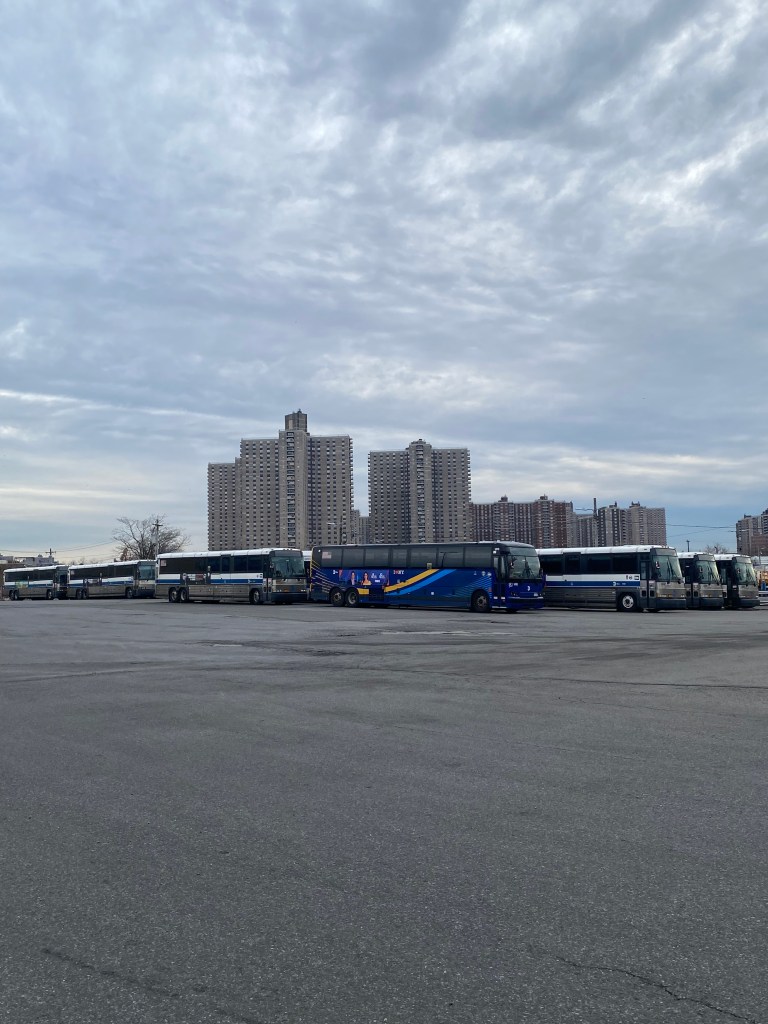
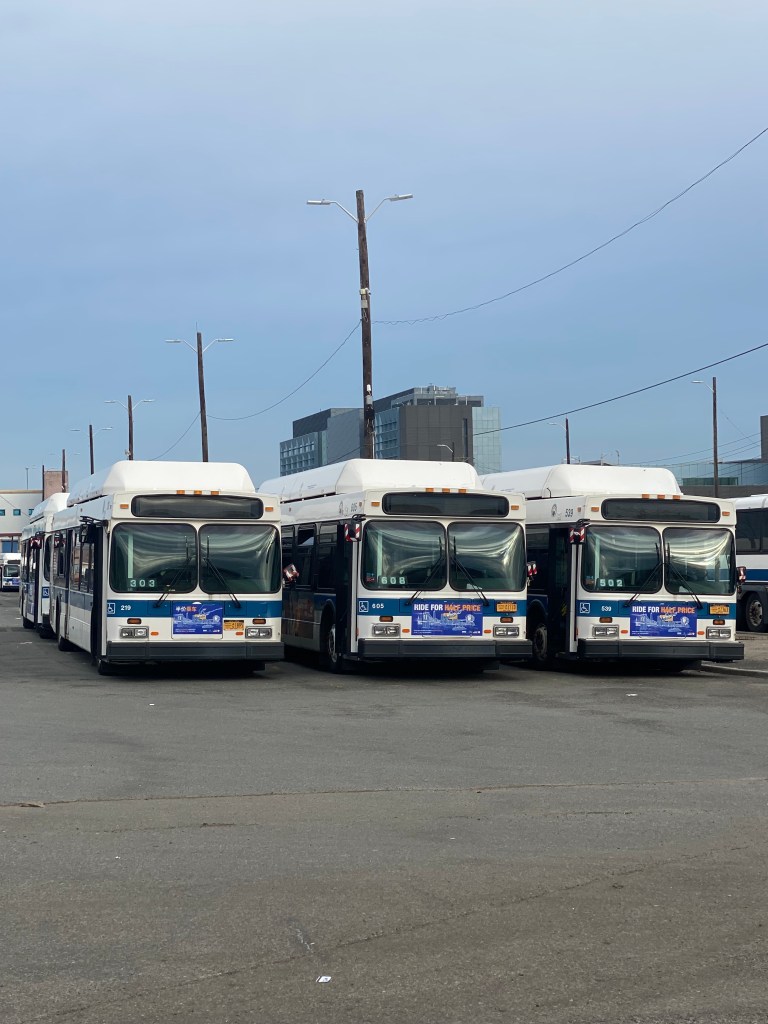
Thus, to improve efficiencies, the MTA plans to “modernize and upgrade” the fuel tracking system at all of its bus depots to track secondary fluids used to power buses. Though the MTA capital program dashboard does not specify how the systems will be modernized nor what types of secondary fluids will be tracked through the new system, it is worth noting that the MTA is committing to many types of efficiency improvements in recent years. This has included ambitious plans to create a zero-emissions fleet by 2040 and expand already large depots to accommodate electric buses. The MTA has also taken numerous steps to increase the environmental sustainability of its yards/depots throughout both the bus and subway systems through numerous means, such as storm-resiliency upgrades at the Coney Island Subway Yard in Brooklyn as well as the construction of the new Clifton Maintenance Shop for the Staten Island Railway in Staten Island.
These types of improvements may play a key role in helping reduce the operating cost of MTA buses, which are by far the most expensive to operate in the United States by both mile and by the hour. According to curbed.com, as of January 2018, NYCT(New York City Transit) buses cost $30.40 per mile and $215 an hour to operate with a 33% operating ratio. This is substantially more than San Francisco Muni’s $24.60 per mile and $195 per hour cost with a 28% operating ratio. Considering the sheer number of miles NYC’s buses traverse across the city daily and how frequently they do so, these costs add up way faster than anywhere else. Also noting that the operating ratio is much higher in NYC than in other American cities, New Yorkers pay way more for bus operations than bus riders anywhere in the United States despite being mainly among the lowest-income New Yorkers.
In addition to reducing cost, having better fuel management systems can help the MTA to reduce the emissions and carbon footprint of its operations. This is particularly essential for the bus system as the city’s buses run more frequently in communities disproportionately effected by envionrmnetal justice issues as well as communities that face more congestion issues such as the South Bronx, Jamaica, Queens and Midtown, Manhattan. While frequent bus service is essential for mobility in these communities, fuel efficient operations can ensure that emissions fromm buses do not have a significantly adverse role in community health and wellbeing in comparison to other travel modes.
While the total impact this project will have on the efficiency of MTA operations is not fully clear, the project can lead to substantially more efficient bus operations citywide. Eventhough this project is extremely under the radar, with the only publicly available knowledge of the project being a small blurb on the MTA’s capital program dashboard, the project may have a noticeable impact on the communities the bus system serves for years to come.
Works Cited
“MTA Regional Bus Operations bus fleet.” Wikipedia, 2023, https://en.wikipedia.org/wiki/MTA_Regional_Bus_Operations_bus_fleet. Accessed 15 March 2023.
Metropolitan Transportation Authority. “Home.” MTA, http://web.mta.info/capitaldashboard/CPDPlan.html?PLN=8&AGY=a. Accessed 15 March 2023.
Metropolitan Transportation Authority. “MTA Zero-Emission Bus Fleet Transition.” MTA, 25 July 2022, https://new.mta.info/project/zero-emission-bus-fleet. Accessed 15 March 2023.
Metropolitan Transportation Authority. “MTA Issues RFP for Bronx Electric Bus Depot Development.” MTA, 22 March 2022, https://new.mta.info/press-release/mta-issues-rfp-bronx-electric-bus-depot-development. Accessed 15 March 2023.
Metropolitan Transportation Authority. “Jamaica Bus Depot Expansion.” MTA, https://new.mta.info/project/jamaica-bus-depot-expansion. Accessed 15 March 2023.
Brooklyn Eagle Staff. “Completion of Coney Island MTA Yards upgrades enables through-service on D line.” Brooklyn Eagle, 21 January 2022, https://brooklyneagle.com/articles/2022/01/21/completion-of-coney-island-mta-yards-upgrades-enables-through-service-on-d-line/. Accessed 13 March 2023.
New York City Transit. “MTA Announces Opening of Staten Island Railway’s.” MTA, 7 December 2022, https://new.mta.info/press-release/mta-announces-opening-of-staten-island-railways-hurricane-resistant-clifton. Accessed 13 March 2023.
Levy, Alon. “New York City bus operating costs: an analysis.” Curbed NY, 30 January 2018, https://ny.curbed.com/2018/1/30/16946476/mta-new-york-city-bus-operating-costs-analysis. Accessed 13 March 2023.
 Transit Central