By Joseph Morales
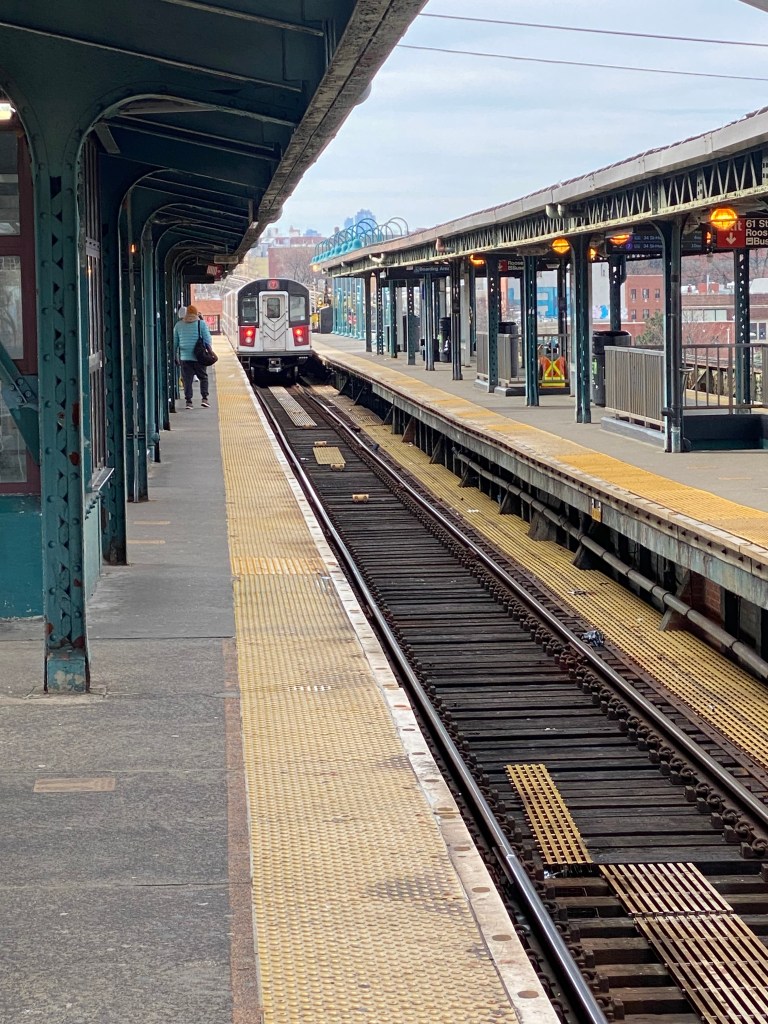
The Flushing Line(7 Train) is a critical transportation link between Manhattan and Queens. The Flushing Line connects Midtown with many of Queens’ busiest neighborhoods, such as Long Island City, Jackson Heights, and Flushing. The Flushing Line also connects with multiple north-south subway lines in Manhattan, the N, W to Astoria, Queens, the E, F, M, R(Queens Boulevard Line), and the G Train(Brooklyn/Queens Crosstown). The subway line also connects to various bus lines, including several routes to LaGuardia Airport and many bus routes in Downtown Flushing, where 173,000 bus riders passed through daily pre-pandemic, with around 28,000 of them making transfers to the Flushing Line.
Thus, it is no surprise that the Flushing Line is an extremely busy line, with trains running as frequently as every 2-3 minutes in both directions at certain parts of the AM/PM peak hours. The MTA had already significantly upgraded the line in recent years by installing CBTC(Communications-Based Train Control) to replace the fixed-block signaling on the line used since the early days of the NYC subway system. This led to weekday on-time performance on both the Flushing Line and the Canarsie Line(L) where CBTC was also installed, increasing from a combined 68.1% in 2018 to 90.5% post-CBTC installation. In addition, as the new signaling system does not require trains to be as far apart from each other as fixed block signaling, trains can be run more frequently, which can help to reduce overcrowding and improve convenience for Flushing Line riders.
After such dramatic service improvements, the MTA aims to build upon its CBTC success by improving stations across the line and performing additional infrastructure upgrades.
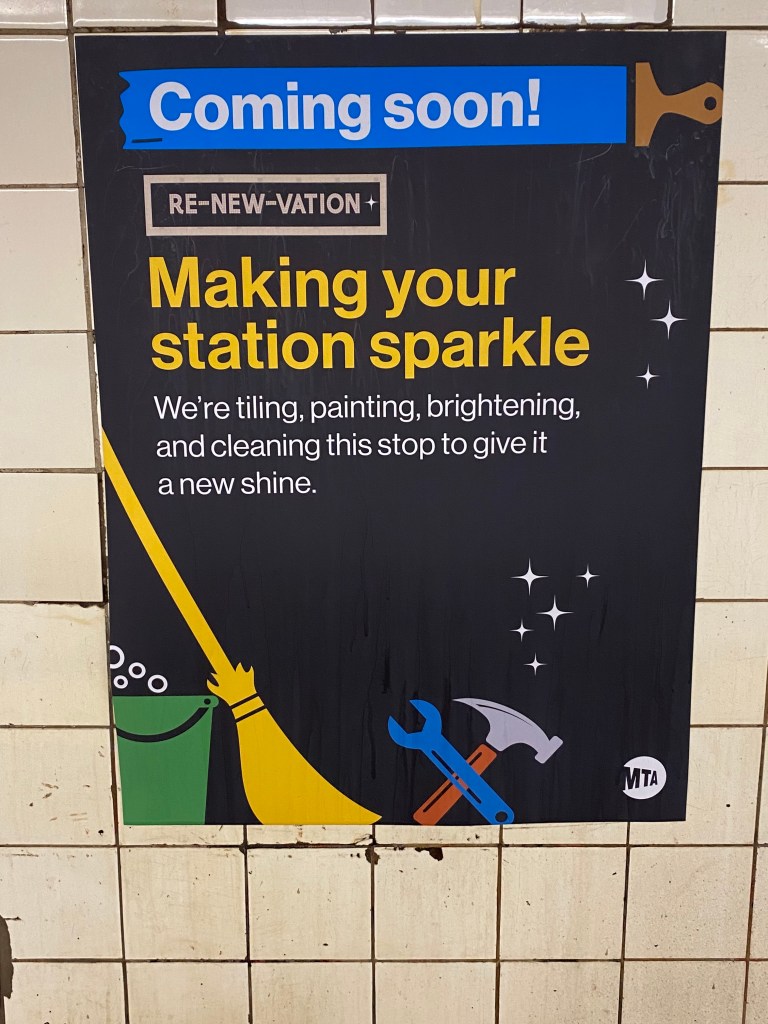
Two stations in Long Island City, Vernon Blvd-Jackson Av, and Court Sq-23rd St, will receive what the MTA refers to as a ReNEWvation. The ReNEWvations will primarily be focused on creating a cleaner station environment. This will be done through deep cleaning and aesthetic upgrades, including retiling platforms and walls, repainting columns, removing gum from benches and floors, and more. The MTA will continue with routine cleaning activities to ensure that the stations retain the level of cleanliness from their respective ReNEWvations long-term.
While the level of cleaning will certainly not rise to the levels seen at the onset of the COVID-19 pandemic when the MTA was cleaning to keep essential workers safe, projects like the ones planned have a history of achieving significant cleanliness upgrades at stations, such as along the cleaning done along the Concourse Line(B,D) in The Bronx last summer.
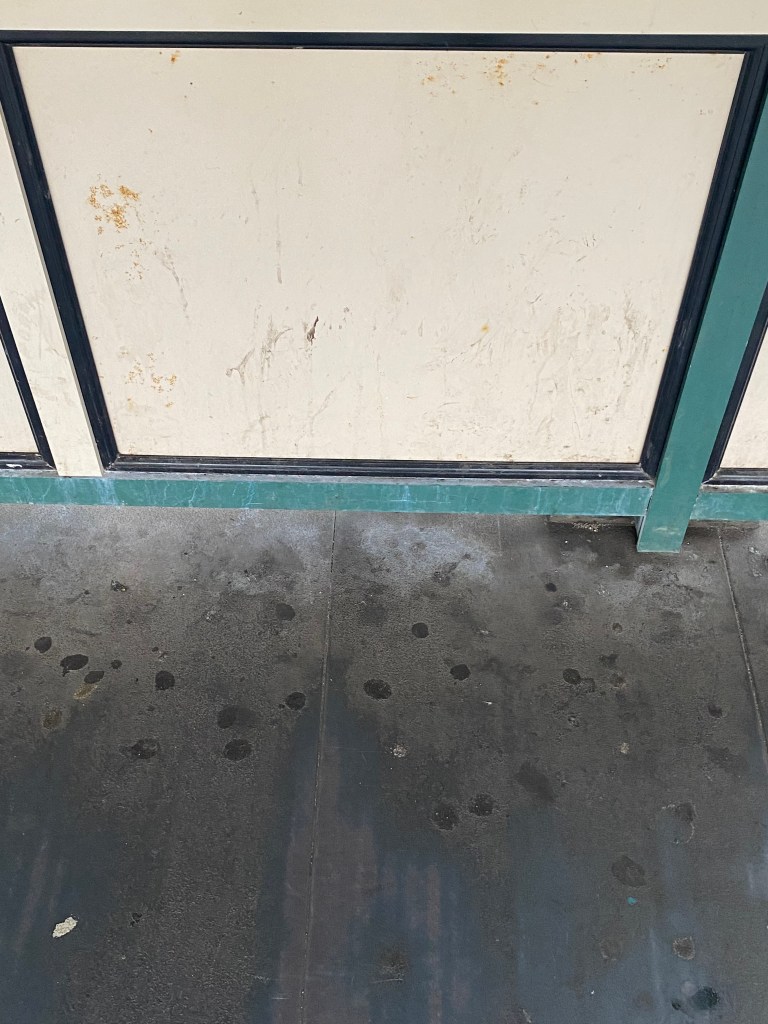
Most will not argue that the ReNEWvation is critical at the Vernon-Jackson Av station. During my visit to the station on February 16th, 2023, I noticed soiled walls, floors, and puddles on the ground stationwide. As this is the first Flushing line station upon entering Queens and Long Island City, Queens residents would likely not be happy that this is the first thing thousands of subway riders see upon entering the borough. Amid a development boom in the surrounding Long Island City area, this is likely something that nearby developers, landowners, and business owners would not be happy about.
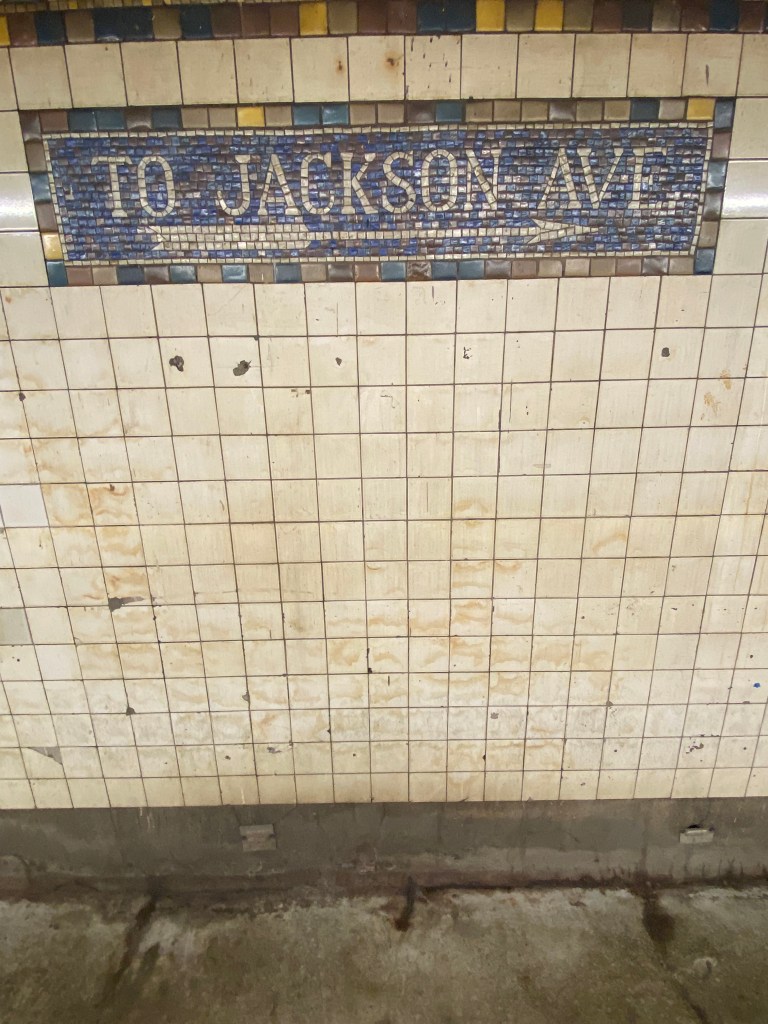
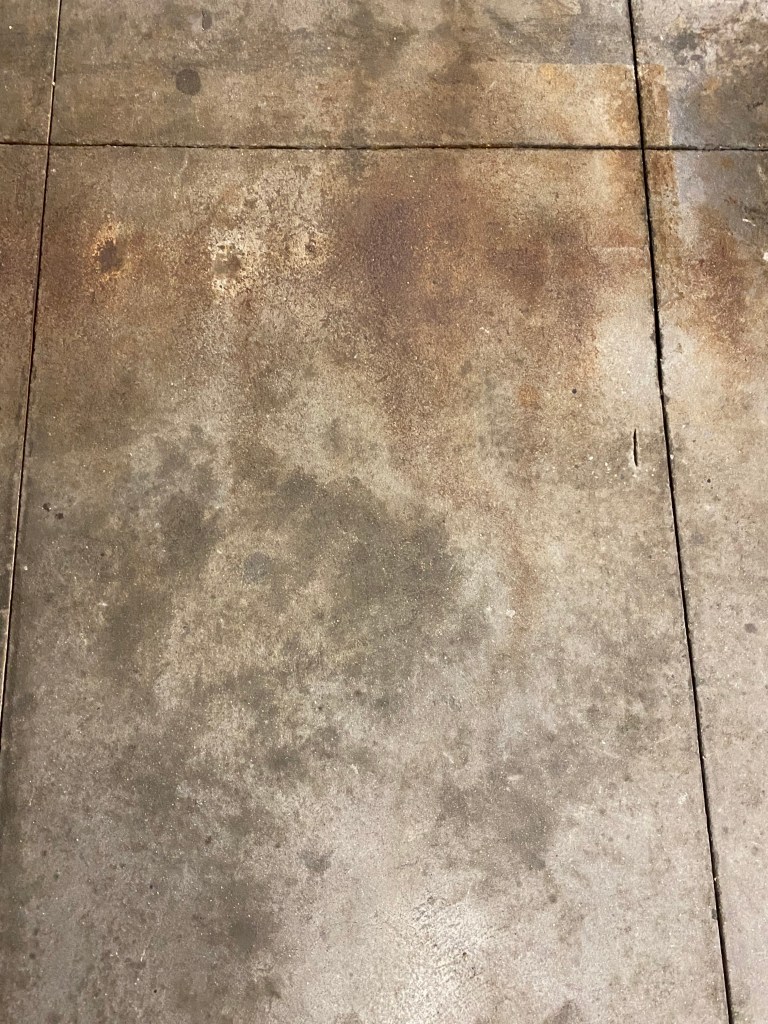
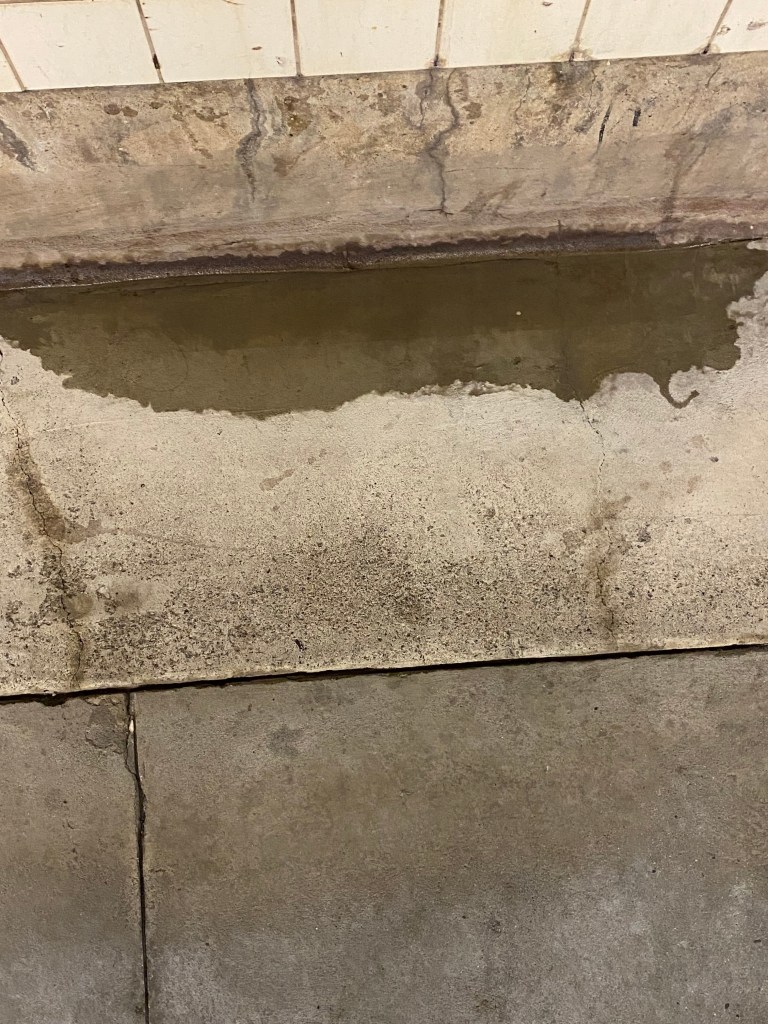
I also went to the Court Square station on the same day. While it was not nearly as dilapidated as the Vernon-Jackson Av station, it did have some grimy spots that the MTA will likely address, particularly on small areas of the walls and platform surfaces.
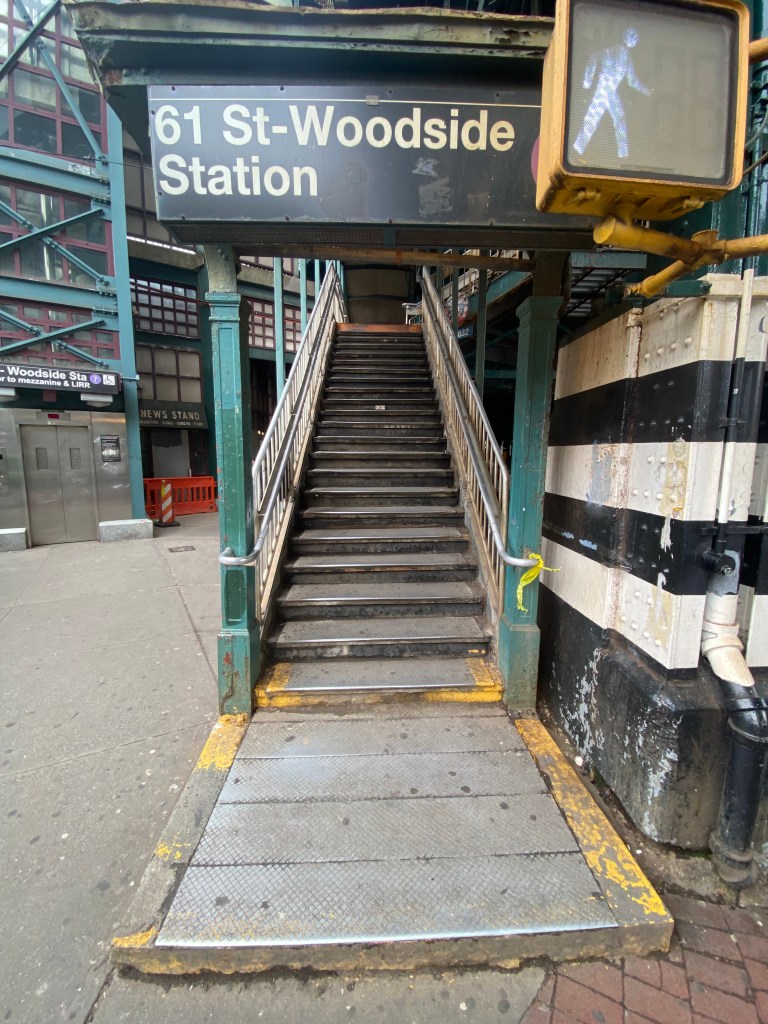
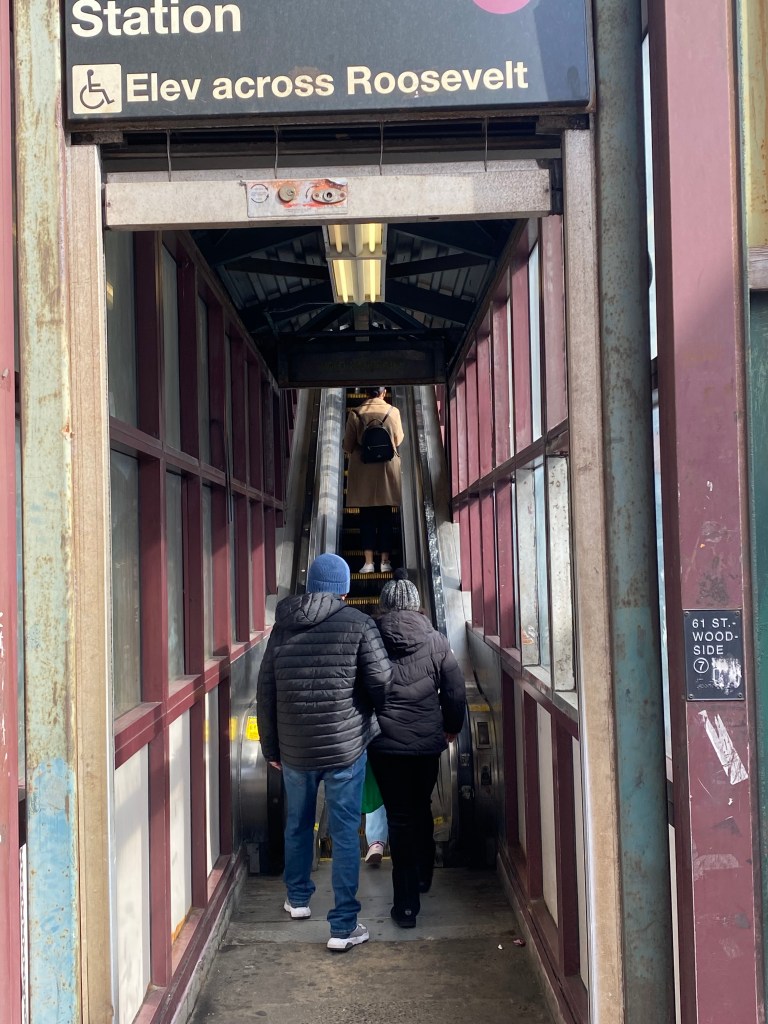
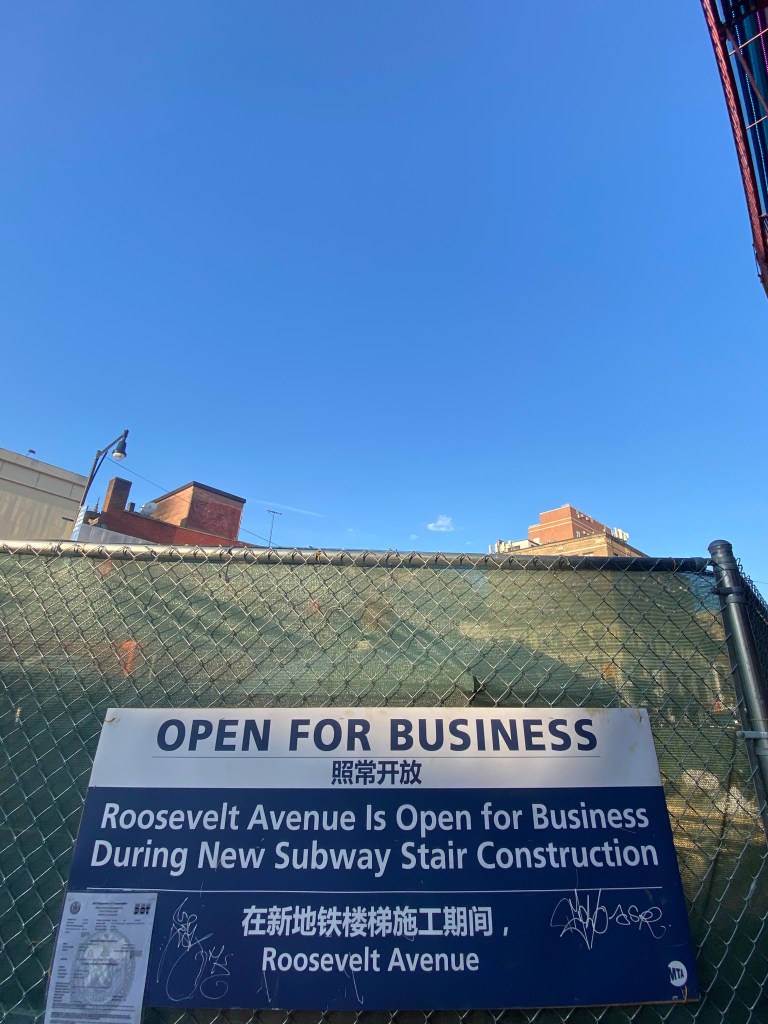
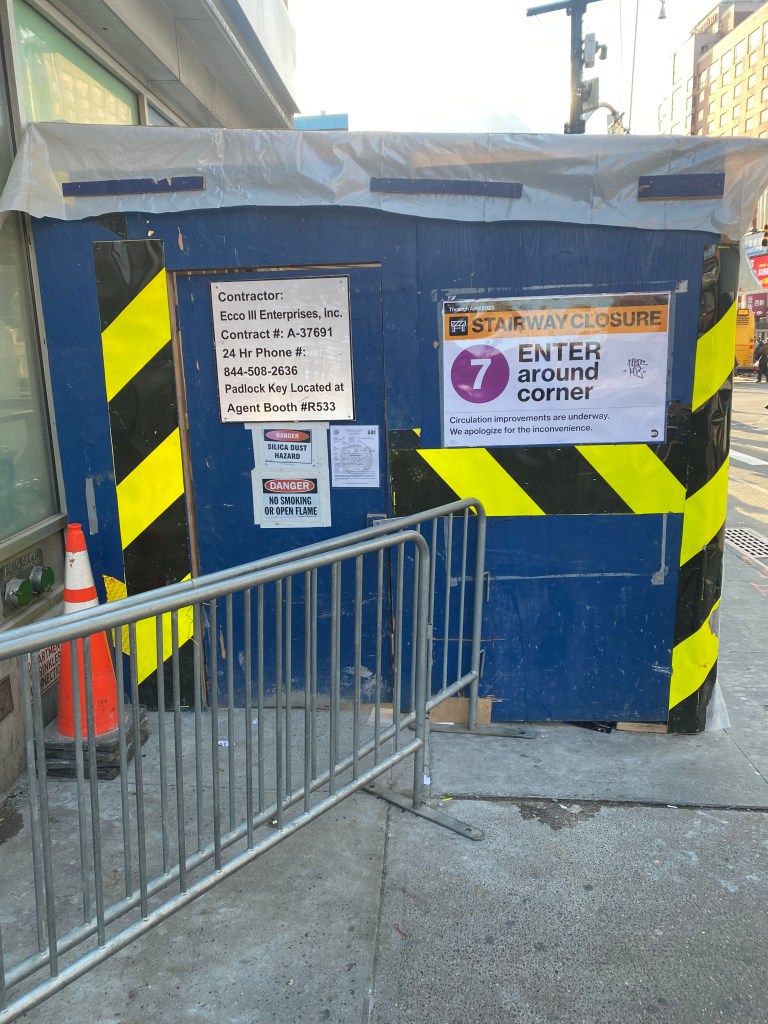
On a more broad scale, the MTA is also planning accessibility upgrades at seven stations, including the bustling 61 St-Woodside and 74th St-Broadway stations. At 61 St-Woodside, work plans include new platform edges and ADA-compliant boarding areas, stair replacements, upgraded station drainage, and repairs to many other station components.
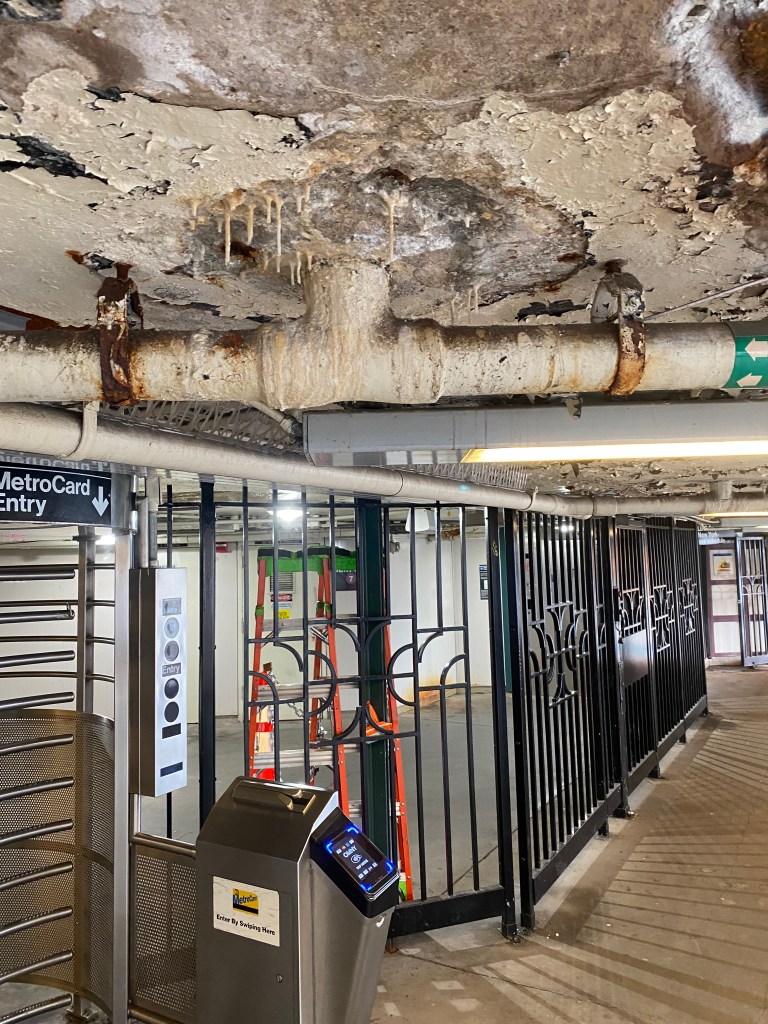
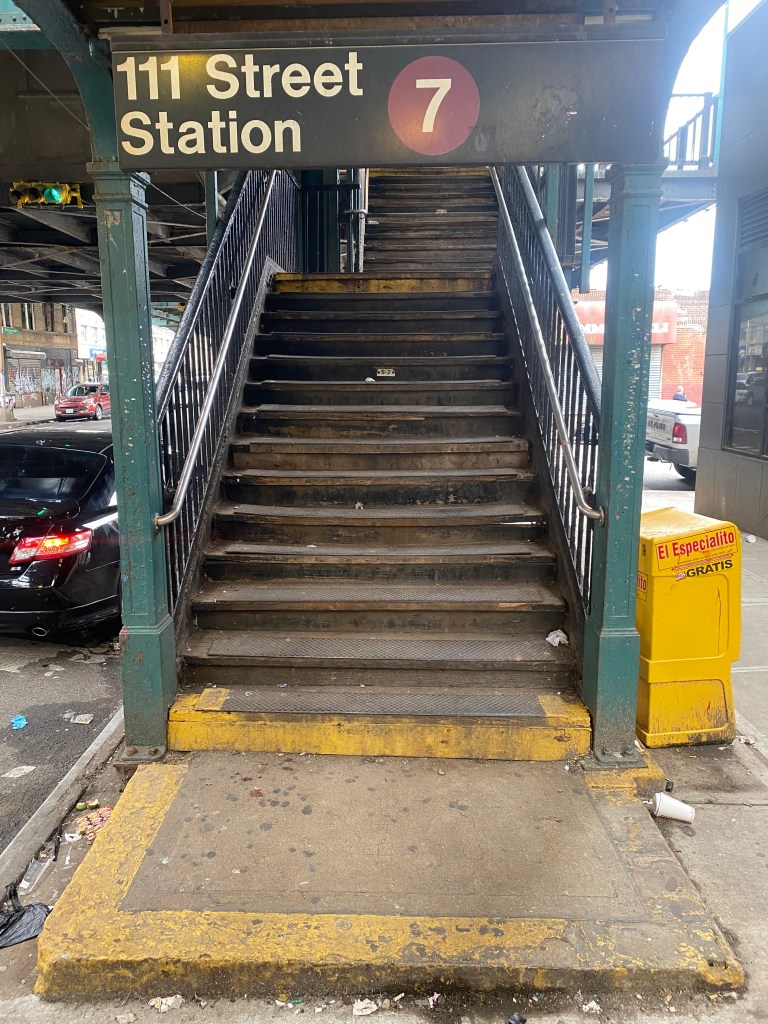
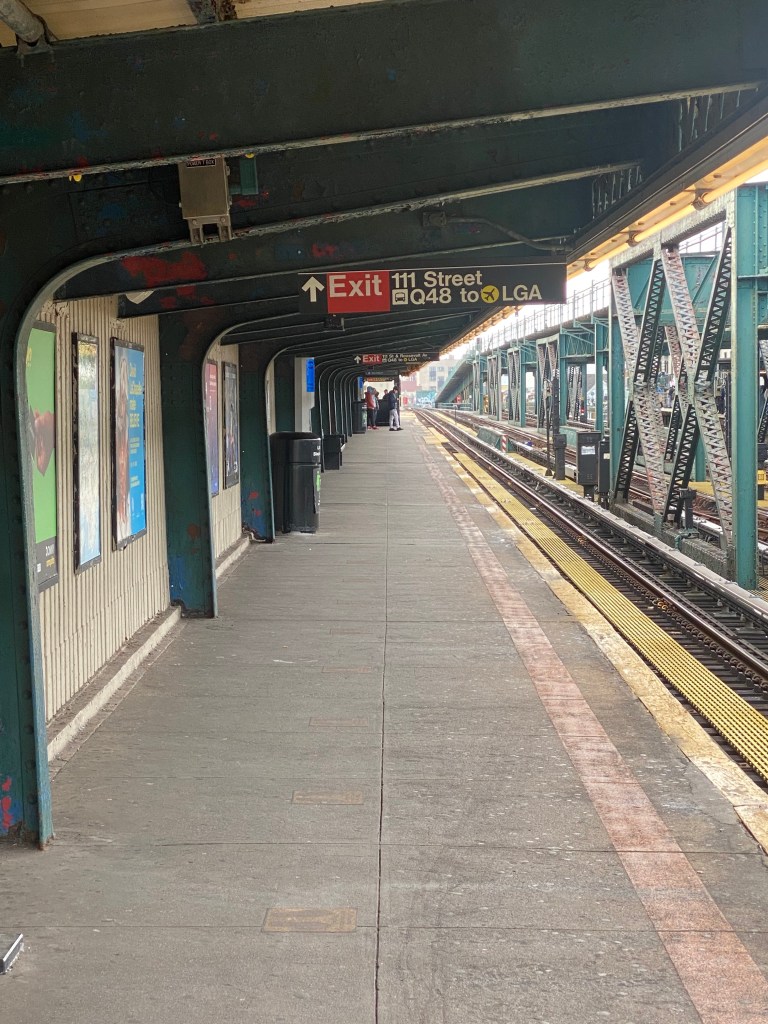
The stair replacements may be particularly essential as when I visited the station along with the 111th St station in February. 19th, 2022, the stairs felt pretty uneven in certain areas when walking. There were numerous spots where it felt like someone could have tripped had they either not been careful or been in a rush, making repairs in this department more critical. The MTA plans to replace the stairs at 111th st as well. There were also numerous signs of what appeared to be poorly maintained infrastructure, such as peeled paint on walls, ceilings, and pipes, all of which will be addressed in the station work.
Also, in the station mobility department, the street to the mezzanine escalator at 61st-Woodside and three escalators at 74th St-Broadway will be replaced. This will likely lead to more reliable escalators, and in the case of 61st-Woodside, possibly wider ones can help to ease crowding.
Similar work will be done at the 52 St, 69 St, 82 St, 103 St, and 111th St stations through a multi-phase contract. This contract will include eliminating uneven walking surfaces on the platform. In addition, it will include work to enhance the customer experience in numerous ways, such as new and improved lighting, new artwork, CCTV security cameras, and more.
Though these smaller projects will make a difference for riders throughout the line, the most significant changes for a single station will undoubtedly be those being made at the Flushing-Main St station at the eastern end of the line in Downtown Flushing. Downtown Flushing is known as one of the busiest areas of Queens and is one of the busiest areas in New York City outside of Manhattan. Its sidewalks are regularly crowded, and its subway station is no exception, as it served 9,206,396 riders in 2021, according to MTA statistics. This was good for the title as the 9th busiest station in the city that year and the only station in the top 10 that serves only one route.
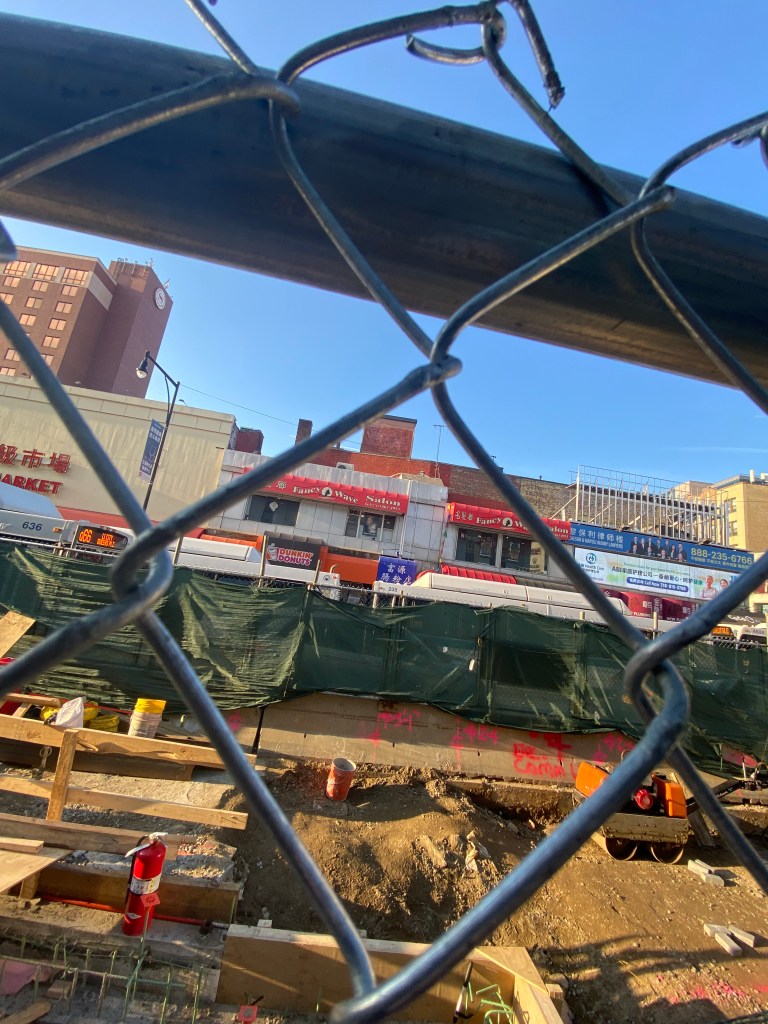
Thus, the MTA is installing two new fare control zones and expanding the mezzanine to ease congestion and allow more passengers to enter the station faster and more conveniently. This can be the difference between people catching and missing trains, which can be especially helpful to riders during off-peak hours when trains run less frequently. To ease congestion around the station, the MTA is installing eight new staircases to help the station withstand the crowds that pass through daily. In addition, four existing staircases are being reoriented, and another four are being rehabilitated to become ADA-compliant. Wayfinding signage, as well as CCTV security cameras, will also be improved. These upgrades will likely allow for an improved rider experience at the station for years to come.
In addition to improving stations, the tracks will be improved as well. The largest of the proposed improvements is those on the Steinway Tube. The Steinway Tube is the tunnel that links Long Island City, Queens, to Manhattan on the Flushing line. At some point this year, the MTA will make essential upgrades to increase the tube’s sustainability and general repair state. This will include a 60-ft long concrete flood wall and deployable flood gate that could be used in a severe storm. This will help prevent flooding in recent storms such as Hurricane Sandy and the historic floods from the remnants of Hurricane Ida in 2021. The MTA will also make upgrades such as improving river tube pump rooms and corrosion prevention actions.
Outside of these significant projects, the MTA continues to perform routine track maintenance on the line on weekends in a familiar fashion to subway lines across the system. As CBTC has already been a game-changer for service improvements along the line, the MTA’s steps may one day be the model for subway line improvements across the city.
Works Cited
New York City Department of Transportation. “Better Buses Restart: Downtown Flushing Main St. Busway.” NYC.gov, 14 September 2020, https://www.nyc.gov/html/dot/downloads/pdf/main-st-busway-pilot-information-session-sept-14-2020.pdf. Accessed 3 March 2023.
Metropolitan Transportation Authority. “A final push for CBTC on the Queens Boulevard Line.” MTA, 2021, https://new.mta.info/projects/CBTC-on-Queens-Boulevard. Accessed 3 March 2023.
Metropolitan Transportation Authority. “MTA Details Improvement Projects Along the 7 Line.”
MTA, 16 December 2022, https://new.mta.info/press-release/mta-details-improvement-projects-along-7-line. Accessed 3 March 2023.
 Transit Central