By Joseph Morales
Inwood, Manhattan is the northernmost neighborhood in Manhattan. Inwood is known for its vibrance and plethora of small businesses. It is also known for being a large immigrant community particularly for immigrants from the Dominican Republic. Inwood is also one of Manhattan’s most affordable residential neighborhoods. According to the New York Times, the average rent in Inwood in July 2021 was $2,069/month, which is 50% less than the Manhattan average. In addition, 80% of apartments in the neighborhood are under some type of rent regulation.
The mass transit network in Inwood is a major asset to both residents and visitors alike, as Inwood has multiple subway and bus connections to many neighborhoods in Manhattan and The Bronx. Inwood is also well connected to the rest of the NY Region by car as Inwood is near major highways such as the Harlem River Drive, Henry Hudson Pkwy and Major Deegan Expressway. Now, more affordable housing developments in the neighborhood mean that even more residents will be able to take advantage of these assets. Having affordable housing near quality mass transit allows residents to have better access to jobs, schools and many other resources needed to thrive. Too often across America, affordable housing is placed in communities where such resources are not available, making it so that many residents who are already living below the poverty line have less opportunity for social advancement than residents of other communities.

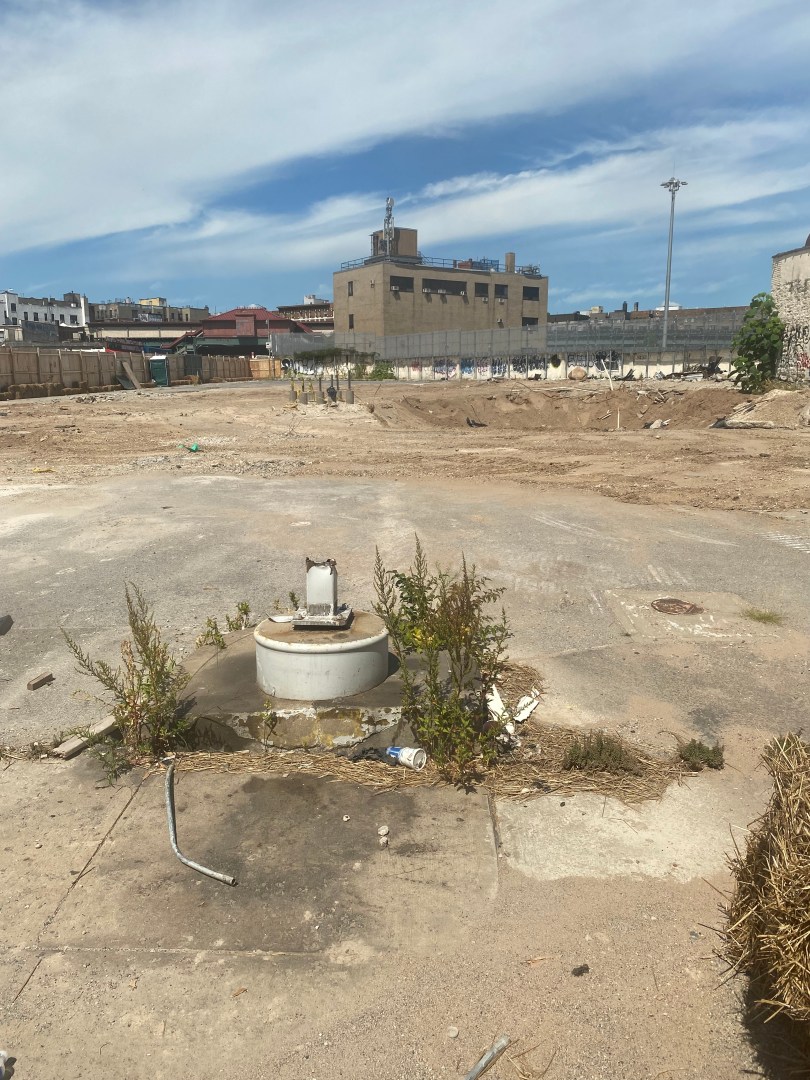
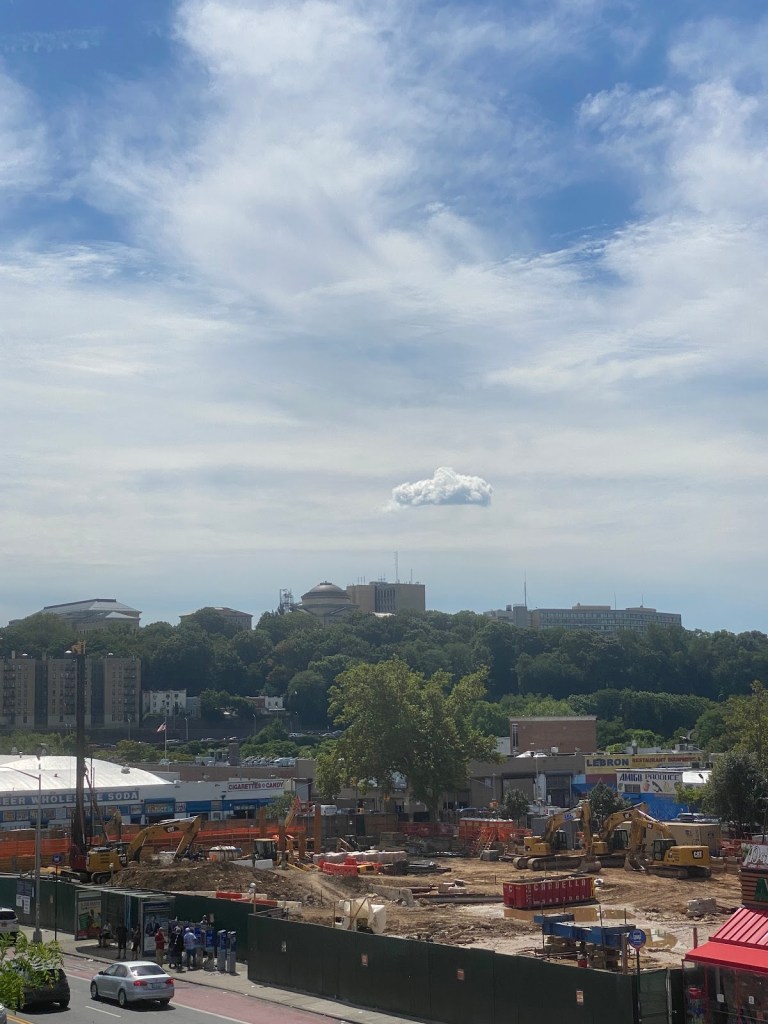
One of Inwood’s major affordable housing developments is a new 14 story building named The Eliza at Broadway and Cumming St. The building, which was part of former NYC Mayor Bill De Blasio’s Housing New York: A Five Borough Ten Year Plan, will include a brand new 3 story Inwood Library along with 174 affordable units. People with an income between $20,040 and $51,040 will be eligible and 20 percent of units will be reserved for families of three making less than $26,000 a year. Residents will have easy access to the 1 and A train at 207th St and as well as 3 local bus routes and 1 Select bus service route to The Bronx. Residents here will also have access to the Fine Fare Supermarket next door, which is a great asset considering how often affordable housing is located in food deserts in New York City. The library also will include a Universal Pre-K center, which will be relatively convenient for parents making long commutes to drop off their children since they will not need to make a separate walking or transit trip to take their children to preschool. Another development just 4 blocks away, will replace a parking garage with a 20 story building with residential, community and commercial space, with the bulk of the space being residential and 30% of residences being considered affordable housing.

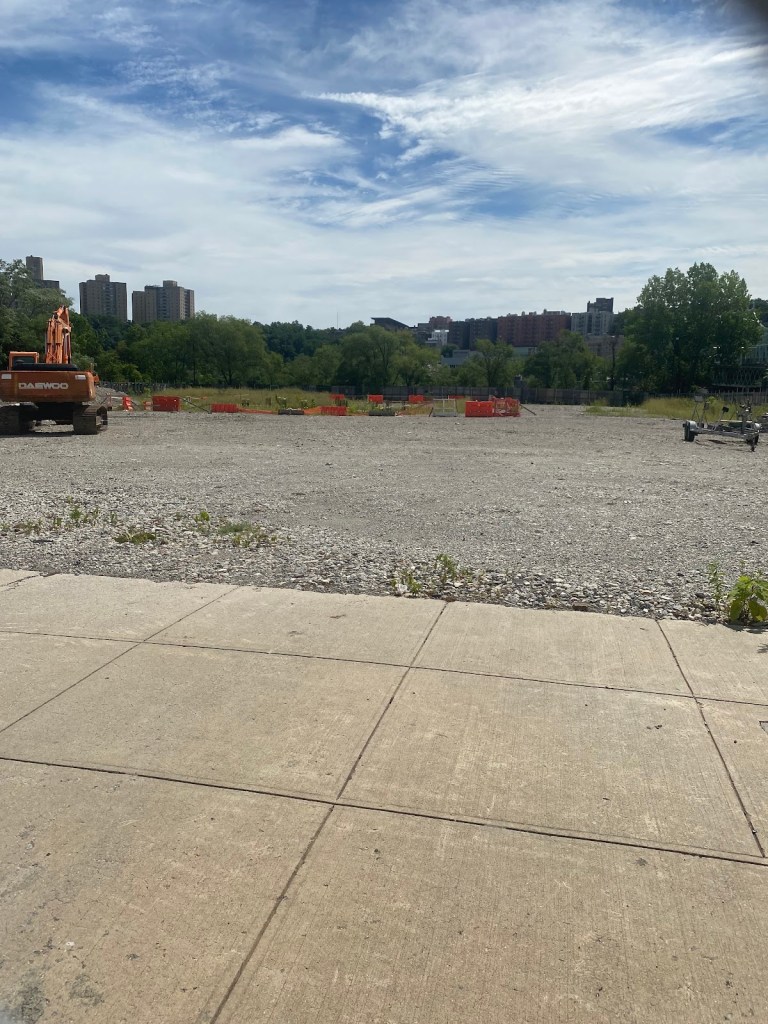
Other major developments will take place on W 207th St east of 10th Avenue, where most land use is mainly industrial. The main developments are 488 W 207th St and 3875 Ninth Avenue which will both be 30 stories tall and include over 600 units. 17-story mixed use buildings are also being constructed at 3880 Ninth Avenue at the site of a Speedway Gas Station, along with one at West 206th St and 9th Avenue at the site of a parking lot. Here residents will also have similar access to mass transit as those who live in developments on Broadway as well as access to supermarkets.
Some are concerned that a large amount of market-rate units that will be made available in these developments along with affordable housing will drive up rents throughout the community. However, a study performed by the W.E UpJohn Institute For Employment Research determined that not only was this not the case but that since some current Inwood residents might move into the new developments, it may open up their current affordable units to others.
There might also be concern about these massive new developments bringing more congestion to an already congested area especially in the industrial area east of 10th Avenue. Though this may become true for the whole neighborhood, parking issues may especially become a problem in Inwood west of 10th Avenue, where on-street parking is almost always at capacity. However, there is a possibility that most new residents use mass transit considering the fact that most current residents do not own cars, somewhat alleviating this concern. Even so, if 30% of residents in a 600 unit tower own a car, that is still about 200 additional cars in the community. The development at 3875 Ninth Avenue will include 122 parking spaces, so this may be an attractive option to car owners. There may be a need to develop solutions to these issues in the future.
Countless other smaller but still significant residential developments are also being built throughout the neighborhood. Residents of all these developments will all be able to make good use of Inwood’s robust transportation assets which will support Inwood’s growth for years to come.
Acknowledgements
Hughes, CJ. “Inwood Watches Closely as New Zoning Kicks In.” The New York Times, 10 September 2021, https://www.nytimes.com/2021/09/10/realestate/inwood-manhattan-new-zoning.html. Accessed 4 September 2022.
Saltonstall, Gus. “20-Story Tower Set To Replace Inwood Garage: What To Know.” Patch, 1 December 2021, https://patch.com/new-york/washington-heights-inwood/20-story-tower-set-replace-inwood-garage-what-know. Accessed 4 September 2022.
“611-unit affordable housing development gets permits in Inwood.” Urbanize NYC, 24 August 2021, https://nyc.urbanize.city/post/611-unit-affordable-housing-development-gets-permits-inwood. Accessed 4 September 2022.
“Major Residential Tower Approved for Inwood.” BLDUP, 3 September 2021, https://www.bldup.com/posts/major-residential-tower-approved-for-inwood. Accessed 4 September 2022.
 Transit Central