By Joseph Morales
Co-Op City is a high density residential community in the Northeastern Bronx that comprises mainly tall, residential apartment buildings. Asch, Dreiser and Einstein Loops have mini shopping plazas with small businesses and community destinations such as delis, community centers, pharmacies and more. There are massive greenways that connect most of the loops and residences to each other. Co-Op City is known for one of the largest shopping malls in The Bronx, Bay Plaza, which attracts shoppers from throughout the Bronx.
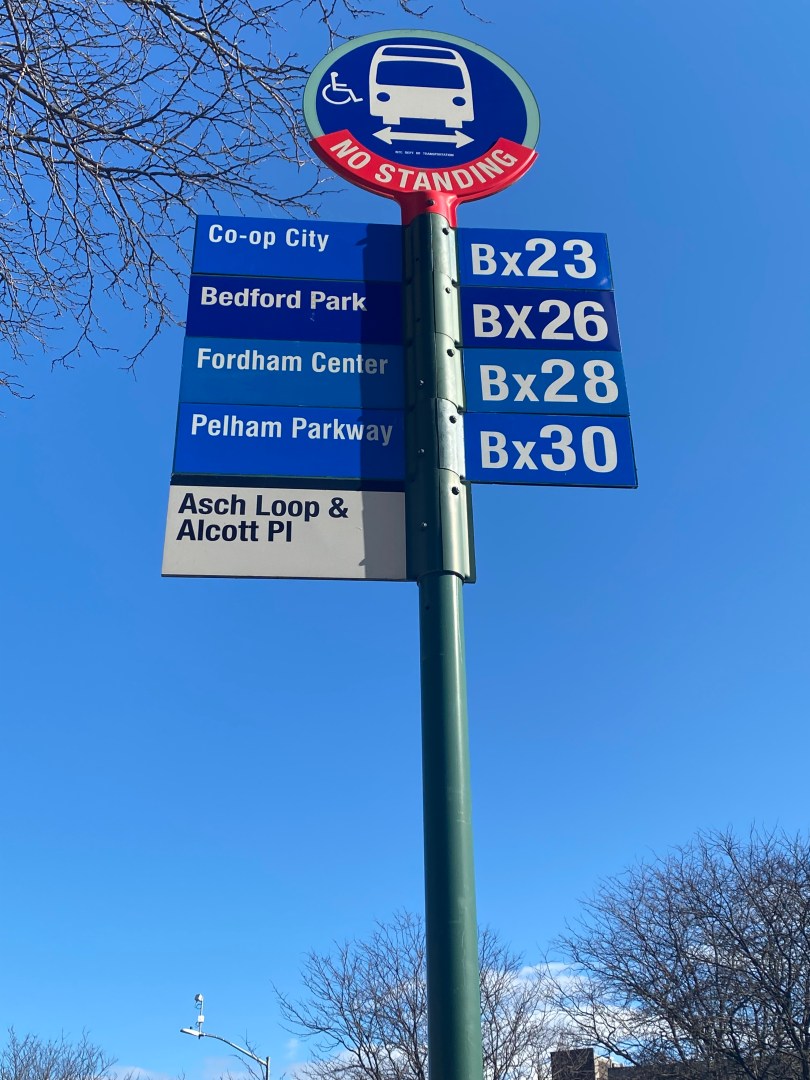
Though Co-Op City has never had subway service, it has been a hub for bus transit in The Bronx for many years. Co-Op City has 7 local routes, the Q50-LTD, the Bx12-SBS and the BxM7 express bus to Midtown Manhattan. The Bx38 and Bx12-SBS are commonly used by riders from throughout the borough to access the Bay Plaza Shopping Center. All 7 bus routes are also commonly used by students to attend any of 5 schools in the Northeast Bronx Educational Park located in Co-Op City. Many Co-Op City residents also ride the buses to subway stations (most notably the Pelham Bay Park station on the 6 line) and other destinations throughout the Bronx. Co-Op City is also the largest naturally occurring retirement community in not just New York, but all of the United States, so routes are heavily relied on by senior citizens to get them to destinations safely and reliably. Now, routes are being adjusted to better reflect the travel needs of the community and make Co-Op City’s bus network even more robust.
The new Bx25 route will connect the Bay Plaza Shopping Center in Co-Op City to the Bedford Park section of the Bronx via Co-Op City Boulevard/Allerton Avenue. This new crosstown connection will open up a lot of new travel opportunities for Co-Op City residents. This will be a major improvement in connecting the two areas compared to the current 10-15 minute walk Co-Op City residents have to get to he Bx26 or Bx28 to get across town to the same place. This can be especially helpful for the many senior citizens who live in the area. In addition, this crosstown route will provide residents transfer opportunities to 11 other buses including the Bx41-SBS and 2 subway lines that can be used to make L-shaped trips throughout the Bronx and Upper Manhattan. This route will also provide access to key destinations such as the NY Botanical Garden and educational institutions-Fordham University and Lehman College. The route will also increase capacity and provide residents more frequent service to the Bay Plaza Shopping Center.

Another notable route adjustment is a change in the route of the Bx30. Instead of turning onto East Gun Hill Road to travel into the Norwood neighborhood , the bus will continue on Boston Rd to terminate at Boston Rd/Pelham Pkwy. This will primarily serve to provide access to the Bx12, Bx12-SBS and the 2 and 5 trains at Pelham Parkway. This will allow Co-Op City residents to make faster trips to portions of the South Bronx and Manhattan via the 2 and 5 trains where they otherwise would’ve had to walk an up to 30 minute walk in order to get to the Baychester Avenue 5 train station. In addition, access to the Bx12-SBS gives residents a reliable way to access the Fordham Rd corridor without having to also make an up to 20 minute walk to access the Bartow Ave/Co-Op City Blvd stop, which is the only Bx12-SBS stop in Co-Op City not located within the Bay Plaza Shopping Center. The Bx12-SBS is also a faster way to get across the Bronx and into Upper Manhattan. The Bx30 will also serve a portion of Boston Rd that is only served by Westchester County Bee-Line buses, that have 30-60 minute headways during weekday peaks as opposed to the Bx30 which will always have headways of 15 minutes or less at all times, giving riders there more frequent and reliable bus service. As those looking to travel along the Gun Hill Rd corridor to Norwood, they can continue to use the Bx28 and Bx38 routes as part of the logic behind the change may have been that if there were already two routes going to Norwood along E Gun Hill Rd, the third route could be used to form a different connection.

One of the other key changes are the options Co-Op City residents will have to get to Pelham Bay. Co-Op City-Pelham Bay was the 7th most popular trip pattern according to the MTA’s Existing Conditions Report for The Bronx Bus Redesign done in August 2018*, with 5,291 average weekday trips. The main reason for this is that access to the Pelham Bay Park Station Area allows riders to transfer to the 6 train at the Pelham Bay Park station, as well as many other buses that allow riders to travel throughout the Eastern Bronx. Even though, Co-Op City is losing Bx29 service as well as Q50-LTD service during off-peak hours, increased service on the Bx23 to at least 20 min or better at all times and every 6 minutes during peak hours will not only compensate for this, but allow for convenient transfers to the Bx29 and Q50-LTD at Pelham Bay Park.
As Co-Op City has always been a hub for bus transit in The Bronx, the first major alteration to Co-Op City’s bus routes in a long time has the potential to grealty improve transit connections for most residents and visitors alike.

Signage at Dreiser Loop and Debs Place bus stop indicating why the adjustments and additions to bus service are being made
Acknowledgements
MTA. “Bronx Bus Network Redesign.” MTA, new.mta.info/document/11321.
MTA. “Bronx Bus Network Redesign.” MTA, https://new.mta.info/sites/default/files/2019-03/77_19_BBNRExisting_Working%20File_Final_Low%20Rez.pdf. Accessed 5 September 2022.
 Transit Central